
📋 In This Article
Introduction
Let’s be honest: weeknight chicken can be a snooze. Dry, bland, forgettable. But Baked Chicken with Yogurt Sauce changes the game entirely. The secret lies in Greek yogurt — not just as a condiment, but as a powerful marinade that transforms ordinary chicken into something worth talking about.
Here’s what happens: the lactic acid in yogurt gently breaks down muscle fibers without turning the meat mushy (unlike lemon juice or vinegar, which can over-tenderize). Meanwhile, the yogurt’s thickness clings to the meat, creating a protective layer that locks in moisture during baking. The result? Chicken that’s fork-tender, juicy, and infused with tangy depth from the inside out. chicken alfredo monkey bread recipe the ultimate comfort food.
I’ve tested this recipe dozens of times — different cuts, various marination times, every oven temperature you can imagine. What follows is the definitive version: one that works whether you’re meal-prepping on Sunday or throwing dinner together on a Tuesday.
Why It Works: The Science Behind the Marinade
Fat, acid, and heat. That’s the whole game here. The Greek yogurt marinade delivers all three in perfect balance.
Most marinades rely on straight acid — think lemon juice or wine — which attacks proteins aggressively. Leave chicken in lemon juice too long, and you’ll end up with mush. Yogurt is different. Its lactic acid works slowly and gently, tenderizing the meat’s surface while preserving the texture underneath. This is why you can marinate chicken in yogurt for hours without ruining it.
But here’s the thing: yogurt also contains calcium, which activates enzymes called calpains that naturally break down muscle fibers. Combined with the fat content (especially if you’re using full-fat Greek yogurt), you get a dual-action tenderizer that keeps the meat incredibly moist while building flavor.
During baking, the yogurt forms a golden, slightly caramelized coating. That’s the Maillard reaction happening right on the surface — hundreds of new flavor compounds created as proteins and sugars react to heat. You’re not just cooking chicken; you’re building layers of flavor.
Ingredients You’ll Need
For the Chicken:
- 1.5 to 2 lbs boneless chicken thighs or chicken breasts (skin-on or skinless; if using thick breasts, pound them to an even thickness for uniform cooking)
- 1/2 cup plain Greek yogurt (full-fat delivers the best results, but low-fat works in a pinch)
- 3 tbsp fresh oregano, finely chopped (fresh herbs make a noticeable difference here; if using dried, reduce to 1 tablespoon)
- 2 tbsp olive oil (avocado oil is a fine substitute)
- 3 tbsp fresh lemon juice plus zest from 1 lemon (bottled juice lacks the aromatic complexity of fresh)
- 2 cloves garlic, minced (or more if you’re a garlic lover)
- 1 tsp kosher salt (essential for seasoning throughout)
- 1/2 tsp freshly ground black pepper
- 1/4 tsp red pepper flakes (optional, for mild heat)
For Serving:
- 1/4 cup fresh parsley, chopped (for garnish and brightness)
For the Optional Yogurt Sauce:
- 1 cup plain Greek yogurt
- 1 clove garlic, minced
- 1 tbsp fresh lemon juice
- 1 tbsp fresh dill, chopped
- 1 tbsp fresh mint, chopped
- 1/2 cucumber, finely grated and squeezed dry (for a Tzatziki-style sauce)
- Kosher salt and black pepper to taste
Step-by-Step Instructions
1. Make the Marinade
In a large bowl, whisk together the Greek yogurt, lemon juice and zest, olive oil, minced garlic, oregano, salt, pepper, and red pepper flakes. The mixture should be well combined and fragrant — take a moment to smell it. That aromatic hit tells you everything you need to know about where the flavor’s going.
2. Marinate the Chicken
Add the chicken pieces to the bowl, turning each one to coat thoroughly. Cover with plastic wrap and refrigerate.
Here’s where timing matters: 30 minutes gives you surface flavor. 2 to 4 hours delivers deep penetration and optimal tenderness. Go beyond 8 hours, and you’re entering over-marinated territory, where the texture starts to degrade. I’ve made that mistake before — the chicken becomes oddly soft, almost mealy. Not ideal.
3. Prepare for Baking
Preheat your oven to 375°F (190°C). Lightly grease a baking dish with cooking spray or a drizzle of oil.
Remove the chicken from the marinade, letting any excess drip off. You want a thin, even coating — not a thick glop that will slide off during cooking. Place the chicken skin-side up (if using skin-on) in the prepared dish.
4. Bake
Bake for 35 to 45 minutes, or until the internal temperature reaches 165°F (74°C) in the thickest part of the meat.
Why 375°F? At this temperature, the exterior has time to develop a golden, flavorful crust through the Maillard reaction while the interior climbs gradually to the safe zone. Higher heat would brown the outside too fast, leaving the center underdone. Lower heat would extend the cooking time, risking dryness.
If the chicken is browning too quickly but hasn’t reached temperature, tent it loosely with aluminum foil. This is a common issue with skin-on pieces — the skin can darken before the meat is fully cooked.
5. Rest and Serve
Remove the chicken from the oven and let it rest for 5 to 10 minutes. This step isn’t optional.
During cooking, heat forces moisture toward the center of the meat. If you cut immediately, that liquid pours out onto your cutting board — lost flavor and dry chicken. Resting allows the muscle fibers to relax and reabsorb those juices. Skip this step, and you’ll lose up to 40% of the moisture.
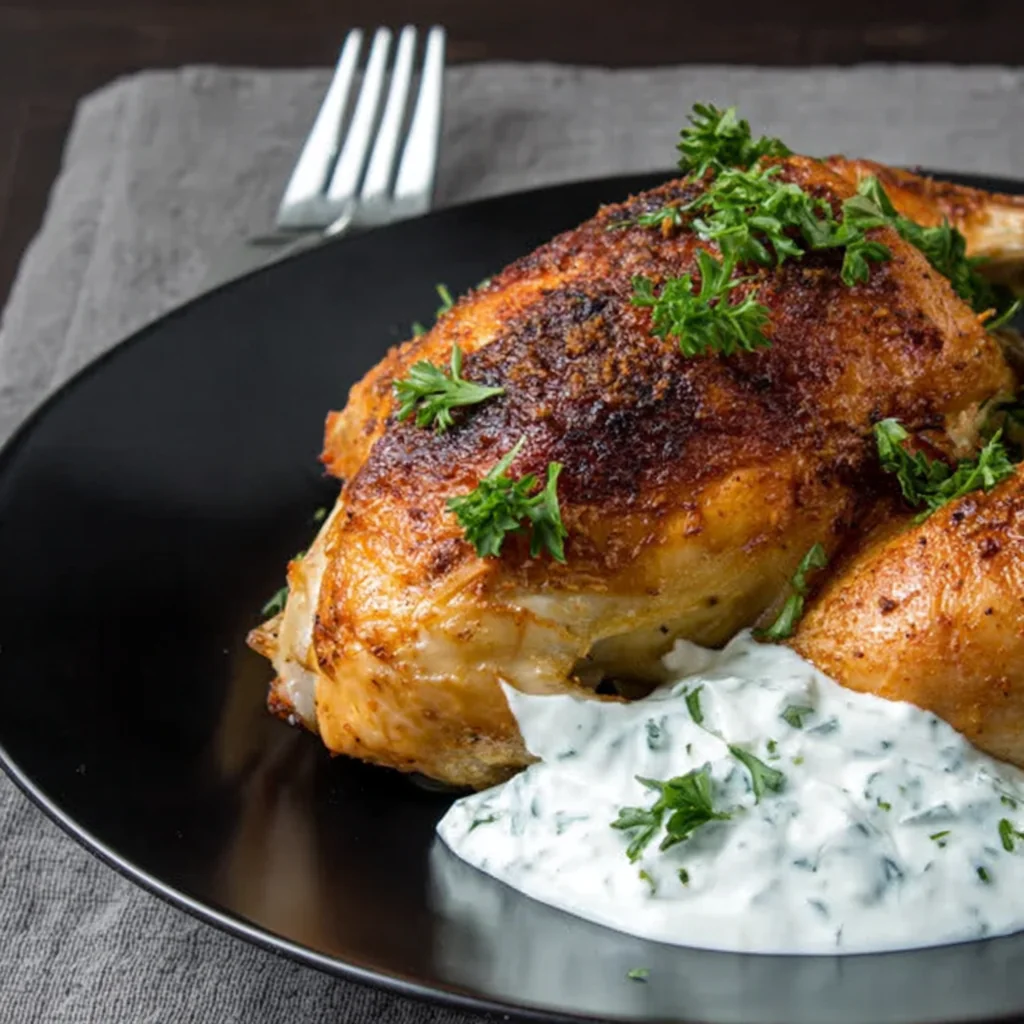
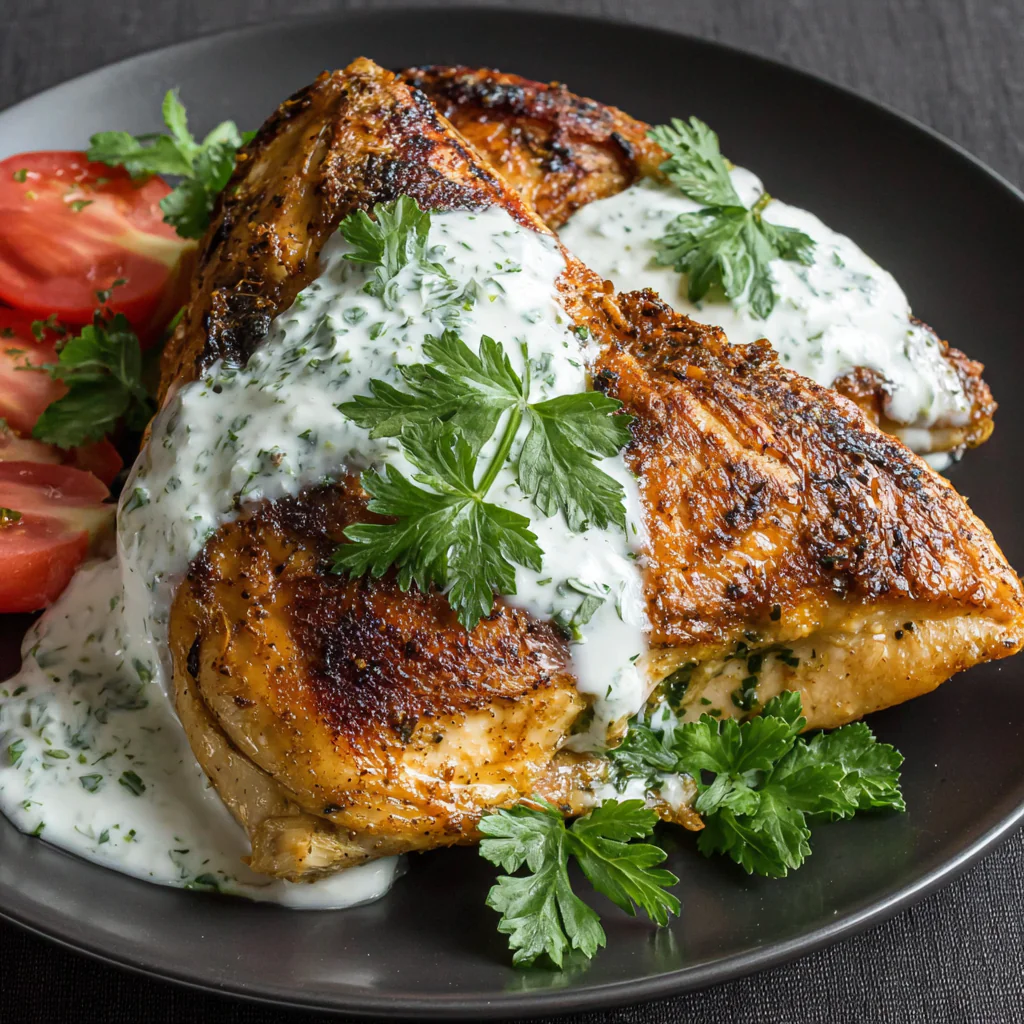
Serve with the optional yogurt sauce (recipe below) and a sprinkle of fresh parsley. The sauce adds a cooling, creamy contrast to the savory, herb-crusted chicken.
Making the Yogurt Sauce
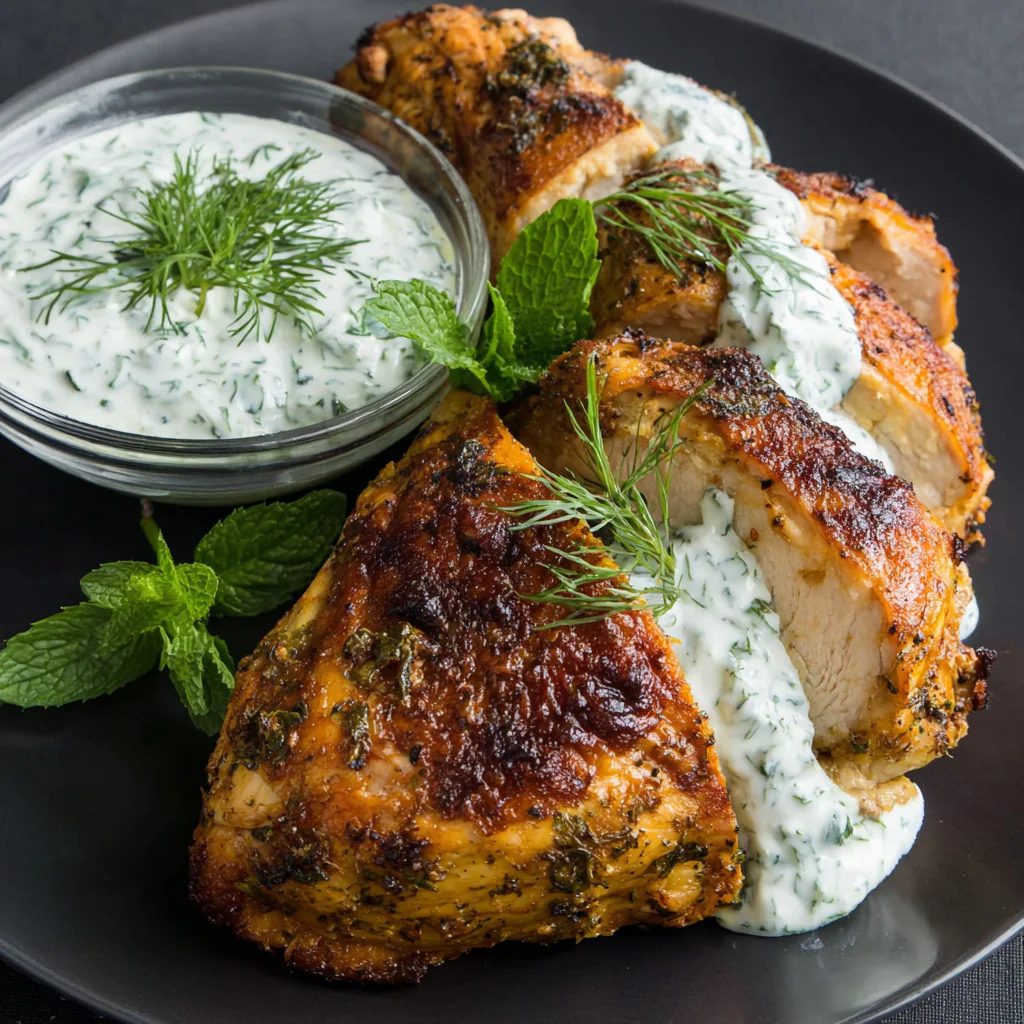
While the chicken bakes, whisk together the sauce ingredients: Greek yogurt, minced garlic, lemon juice, dill, mint, and grated cucumber (if using). Season with salt and pepper to taste.
Let it rest in the refrigerator for at least 30 minutes. This resting period allows the flavors to meld and the garlic to mellow slightly. The result is a velvety, aromatic sauce that complements the chicken beautifully.
⚠️ Common Mistakes to Avoid
Even a simple recipe can go sideways. Here are the pitfalls I see most often:
Over-marinating. More time isn’t always better. After about 8 hours, the yogurt’s enzymes break down the meat too aggressively, creating a mushy, unpleasant texture. Stick to the 2 to 4 hour sweet spot.
Under-seasoning. The marinade does heavy lifting, but don’t stop there. Taste your yogurt mixture before adding the chicken. It should taste slightly over-seasoned — the chicken will dilute it. cheesy chicken alfredo lasagna rolls recipe.
Skipping the rest. I used to rush this step — don’t. Cutting into hot chicken releases juices that should stay inside the meat. Five minutes of patience pays off in every bite.
Baking cold chicken. Straight from the fridge, the meat cooks unevenly. The exterior overcooks before the center reaches temperature. Let it sit at room temperature for 20 to 30 minutes before baking.
Using flavored yogurt. Vanilla Greek yogurt has no place in savory cooking. Stick to plain, unflavored varieties.
Serving Suggestions
This dish leans Mediterranean, so play to that strength. Serve it with:
- Roasted vegetables — zucchini, bell peppers, red onion, and cherry tomatoes all roast beautifully alongside the chicken
- Grains — couscous, rice pilaf, or orzo soak up the pan drippings like a dream
- Flatbread — warm pita makes an excellent vehicle for the yogurt sauce
- Fresh salad — cucumber, tomato, feta, and a drizzle of olive oil create a bright contrast
Leftovers transform easily into wraps or grain bowls. The chicken stays moist for days, making it ideal for meal prep.
Recipe Variations
The base recipe is solid, but don’t be afraid to experiment:
Herb swaps. Try dill, mint, thyme, or rosemary in place of oregano. Each brings a distinct personality to the dish.
Spice additions. Za’atar adds an earthy, nutty complexity. Sumac brings a tart, lemony brightness. Smoked paprika contributes depth and a hint of smoke.
One-pan meal. Toss root vegetables or sturdy greens into the baking dish with the chicken. They’ll absorb the yogurt marinade and pan juices, becoming incredibly flavorful.
Grilling. This marinade works beautifully on the grill. The yogurt helps prevent sticking and creates a slightly charred, complex exterior.
Dairy-free option. Coconut yogurt or almond yogurt can replace Greek yogurt for those avoiding dairy. The flavor profile shifts slightly, but the tenderizing effect remains.
Storage and Reheating
Store leftover chicken in an airtight container in the refrigerator for 3 to 4 days. For longer storage, freeze for up to 3 months.
To reheat, avoid the microwave if possible — it tends to dry out the meat. Instead, place the chicken in a baking dish, cover loosely with foil, and warm in a 350°F (175°C) oven for 20 to 30 minutes, or until the internal temperature reaches 165°F (74°C). This gentle method preserves moisture and texture.
💡 Pro Tips
A few final details that make a difference:
Room temperature chicken. Letting the meat sit out for 20 to 30 minutes before marinating promotes even absorption and more consistent cooking.
Zest before juicing. It’s easier to zest a whole lemon than one that’s been squeezed. Those aromatic oils add brightness you can’t get from juice alone.
Use a thermometer. Visual cues can deceive. A food thermometer is the only reliable way to know when chicken is safely cooked.
Save the fond. Those browned bits stuck to the baking dish after cooking? They’re pure flavor. Deglaze with a splash of white wine or broth, scrape them up, and drizzle the resulting jus over the chicken.
Pound for evenness. Thick chicken breasts cook unevenly. Place them between plastic wrap and pound to a uniform thickness before marinating.
Frequently Asked Questions (FAQs)
+Can you cook chicken in yogurt in the oven?
Absolutely. Baking chicken in yogurt keeps it incredibly moist while infusing flavor throughout the meat. The yogurt forms a protective coating that prevents drying, and its lactic acid tenderizes during cooking.
+What does adding yogurt to your chicken do?
Yogurt serves two key functions: tenderizing and flavoring. The lactic acid gently breaks down muscle fibers, creating a softer texture without turning the meat mushy. Meanwhile, the yogurt’s thickness allows it to cling to the meat, delivering flavor deep into the flesh during marination.
+How long can you marinate chicken in yogurt sauce?
A minimum of 30 minutes provides surface flavor, but 2 to 4 hours delivers the best balance of tenderness and taste. You can go up to 8 hours, but beyond that, the texture begins to degrade. Unlike acidic marinades (lemon juice, vinegar), yogurt is gentle enough that extended marination won’t ruin the meat — but it’s not indefinite either.
+Can I use frozen chicken?
Yes, but thaw it completely before marinating. Frozen chicken releases moisture as it thaws, which dilutes the marinade and prevents proper absorption.
+What kind of yogurt works best?
Plain Greek yogurt is ideal. Its thick consistency coats the meat effectively, and its tangy flavor complements the herbs and garlic. Full-fat versions deliver the richest results, but low-fat and non-fat varieties work too. Avoid flavored yogurts entirely.
+Is this recipe healthy?
It’s a solid choice. Chicken provides lean protein, while Greek yogurt contributes probiotics and calcium. The dish is relatively low in added fat (just 2 tablespoons of olive oil), and the marinade uses whole, unprocessed ingredients. Pair it with vegetables or whole grains for a balanced meal.
Baked Greek Yogurt Chicken
Ingredients
Method
- Preheat oven to 375°F. In a bowl, whisk together all marinade ingredients.
- Place chicken into gallon size plastic food storage bag or large plastic container. Pour marinade over chicken pieces, close bag or cover container with plastic wrap, and refrigerate for minimum 30 minutes or up to 8 hours (overnight).
- Use cooking spray or olive oil to coat the inside of a baking dish. Shake excess marinade from chicken and place the pieces in a single layer into dish. Bake uncovered for 45 minutes or until golden brown and chicken reaches 165°F internal temperature (See Note 1).
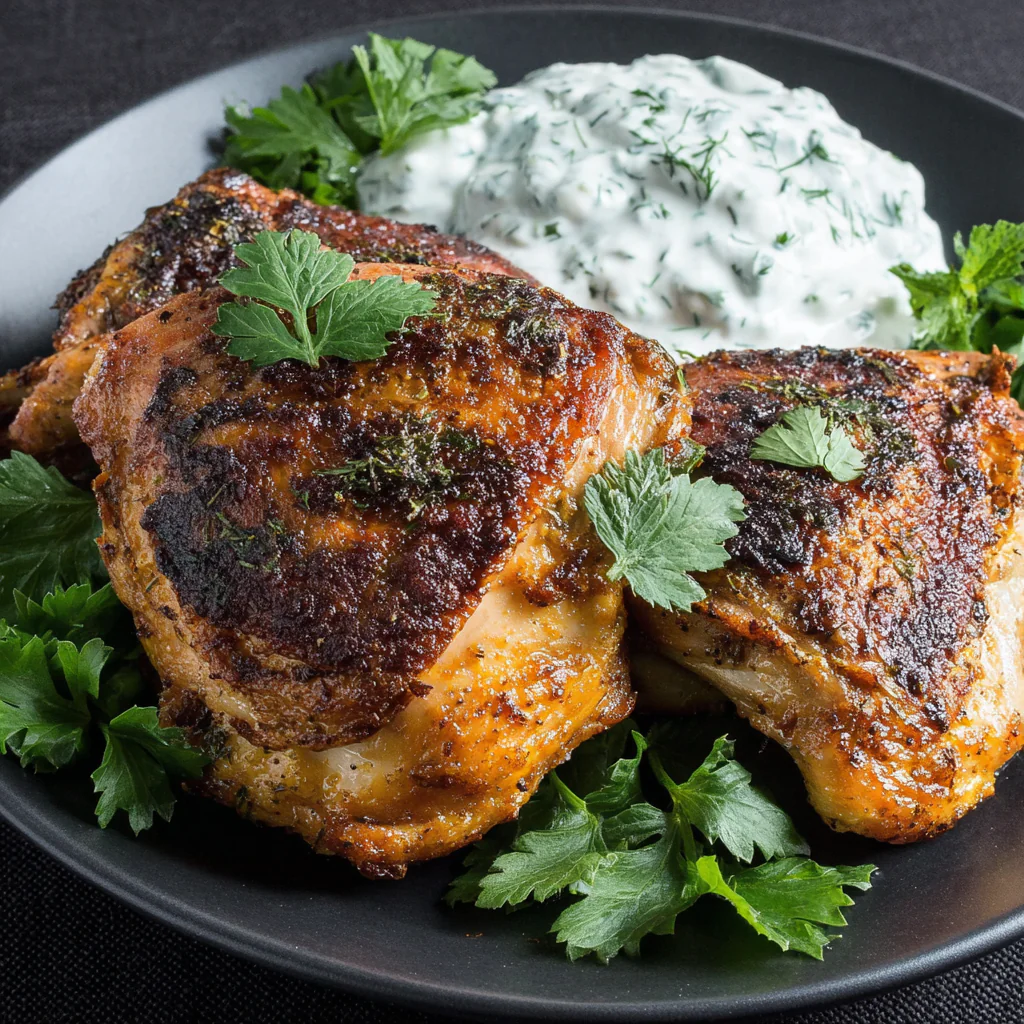
- Serve with couscous and warm pita to soak up juices.
Nutrition
Notes
- For the juiciest chicken, aim for an internal temperature of 165°F; look for a golden-brown exterior as a visual cue that it’s nearing doneness.
- To prevent dryness, avoid overcooking by checking the chicken a few minutes before the recommended time; every oven is different.
- If you’re short on time, marinating for just 30 minutes will still impart great flavor, but overnight is best for maximum tenderness.
- Feel free to substitute fresh oregano with dried oregano in a pinch; use about one-third of the amount since dried herbs are more concentrated.
- Leftover chicken can be stored in the fridge for 3-4 days; reheat it gently in the oven at 375°F to keep it moist instead of using the microwave.