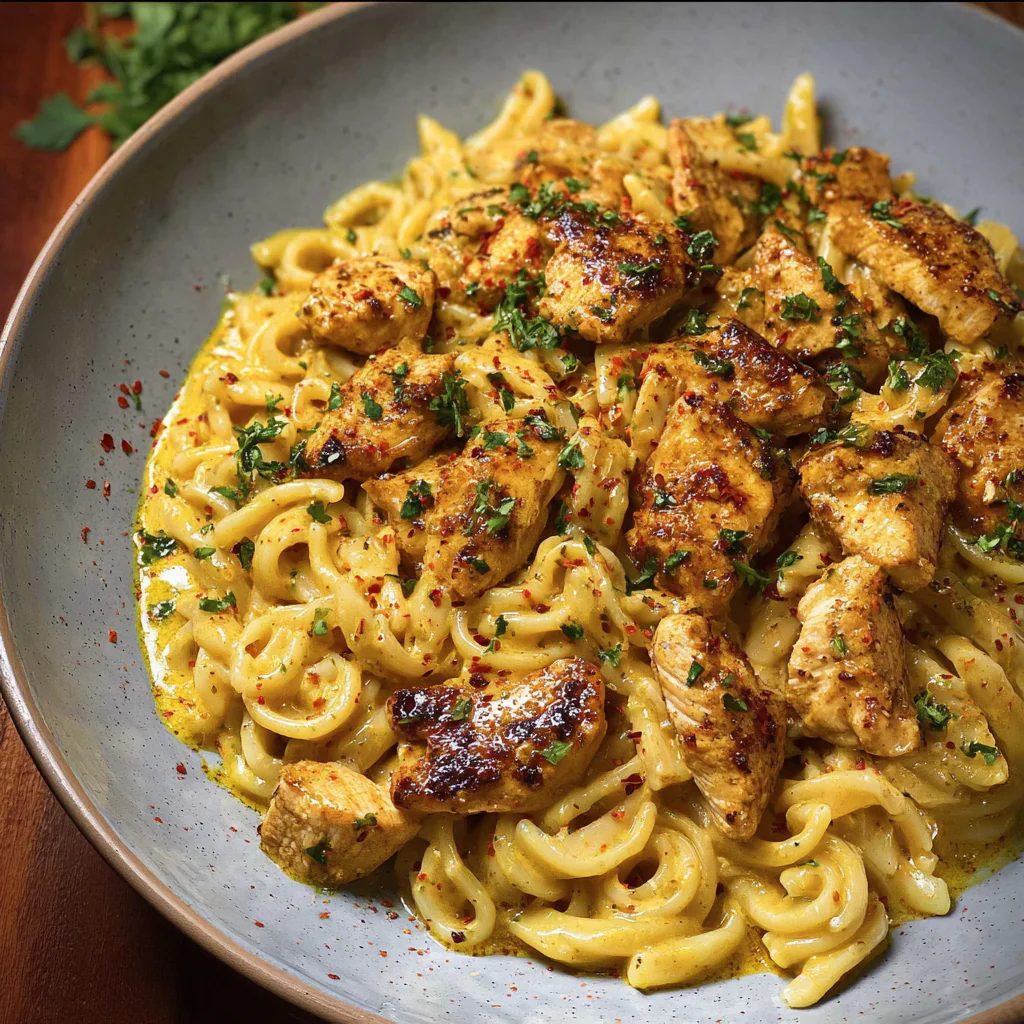
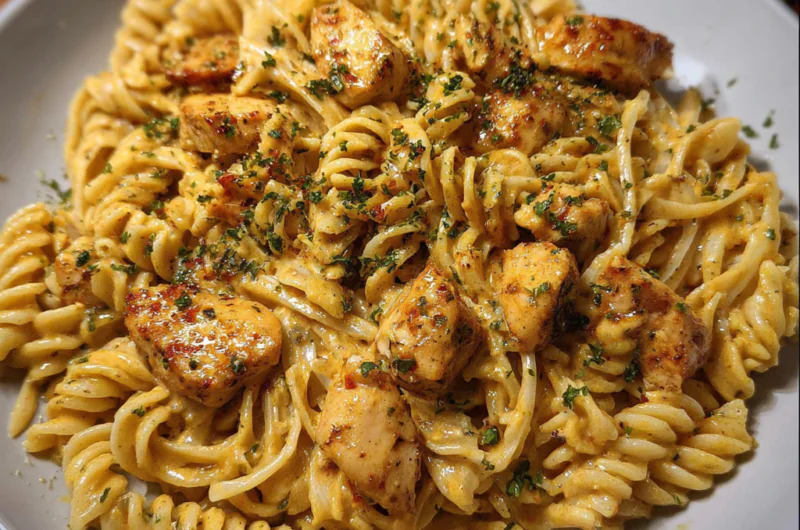
Golden-seared chicken, velvety sauce, and a bold blend of garlic, herbs, and smoked paprika — this 30-minute pasta delivers serious flavor with minimal effort.
📋 In This Article
Introduction
Some dishes just work. Cowboy Butter Chicken Pasta is one of those rare weeknight wins that feels fancy enough for company but easy enough for a Tuesday. The concept is simple: take the bold, herby profile of Cowboy Butter — that addictive blend of garlic, lemon, and spices — and turn it into a creamy sauce that clings to every strand of pasta.
Here’s the thing. I didn’t grow up eating “cowboy butter.” Nobody did. It’s one of those internet-born condiments that took on a life of its own, and for good reason. The combination works because it hits every note: richness from butter, brightness from lemon, heat from red pepper flakes, and depth from smoked paprika. When you fold that into a cream-based sauce with chicken and pasta, you get something that tastes like you spent hours developing flavors. Creamy Cowboy Butter Chicken Pasta Recipe.
You didn’t. That’s the point.
This recipe comes together in about 30 minutes with one skillet and a pot of water. The heavy cream creates a velvety base, while the garlic and shallots build an aromatic foundation. A splash of pasta water — starchy and seasoned — helps the sauce emulsify so it coats the noodles rather than pooling at the bottom of the bowl. Small details like that make the difference between “pretty good” and “make this again.”
What is Cowboy Butter?
Cowboy Butter is a compound butter that originated as a steak condiment but has since migrated to just about everything. At its core, it’s softened butter whipped with garlic, fresh herbs (usually parsley and chives), lemon zest and juice, red pepper flakes, and smoked paprika. The result is a spread that’s simultaneously rich, bright, herbaceous, and slightly spicy.
The flavor profile hits multiple receptors at once. Fat carries flavor, which is why the butter base works. Acid from the lemon cuts through that richness and wakes up your palate. The herbs add freshness, while the spices provide warmth and a gentle kick. It’s the kind of ingredient that makes you wonder why you ever settled for plain butter.
For this pasta dish, we’re building the Cowboy Butter flavors directly into the sauce rather than making a separate compound butter first. Same result, fewer steps. The butter gets melted and infused with aromatics, then combined with heavy cream and finished with fresh herbs. You could absolutely make a batch of Cowboy Butter to keep in your fridge for steaks, vegetables, or bread — but for this recipe, we’re streamlining.
Why You’ll Love This Recipe
Let’s be honest. Weeknight dinners need to deliver on two fronts: speed and actual enjoyment. This chicken pasta does both. The 30-minute timeline isn’t an exaggeration — it’s realistic, assuming you don’t stop to photograph every step for Instagram.
The chicken browns in one pan while the pasta cooks in another. The sauce comes together in the same skillet you used for the chicken, which means you’re building on the fond — those caramelized bits stuck to the bottom of the pan — rather than washing them down the drain. That’s free flavor right there.
Customization is built in. Don’t eat gluten? Use your favorite gluten-free pasta. Want more vegetables? Toss in spinach or cherry tomatoes during the last minute of cooking. Prefer chicken thighs over breasts? Go for it — they’ll stay juicier. The framework holds up to all kinds of swaps.
And about that sauce. It’s creamy without being heavy, thanks to the lemon juice cutting through the heavy cream. The smoked paprika adds a subtle smokiness that makes the dish taste more complex than it actually is. The red pepper flakes bring just enough heat to notice but not enough to overwhelm.
Key Ingredients & Substitutions
For the Chicken
- Boneless, skinless chicken breasts (1 ½ pounds): Cut into bite-sized pieces for quick, even cooking. Chicken thighs work too — they’re actually more forgiving since they stay juicy even if slightly overcooked. For a vegetarian version, plant-based chicken or even chickpeas can step in.
- Kosher salt and black pepper: Essential for seasoning. Don’t skimp.
For the Pasta
- Linguine (12 ounces): The flat shape grabs onto sauce well. Spaghetti, fettuccine, or penne all work. For gluten-free needs, use a brown rice or chickpea-based pasta.
For the Cowboy Butter Sauce
- Salted butter (5 tablespoons total): Yes, salted. The salt is part of the flavor profile here. If you only have unsalted, add an extra ¼ teaspoon of salt to the sauce.
- Shallots (2 large, finely chopped): Milder and sweeter than onions, which keeps the sauce from tasting like onion soup. Yellow onion works in a pinch — just use half the amount.
- Garlic (2 cloves, minced): Fresh is non-negotiable here. The garlic flavor is central to Cowboy Butter.
- Smoked paprika (½ teaspoon): This provides the signature smoky note. Regular paprika works but won’t have the same depth.
- Red pepper flakes (½ teaspoon): Adjust up or down based on your heat tolerance.
- Heavy whipping cream (⅔ cup): Creates that velvety texture. Half-and-half can work but yields a thinner sauce. For dairy-free, coconut cream is your best bet — though it will add a slight coconut flavor.
- Parmesan cheese (½ cup, freshly grated): Adds umami and helps thicken the sauce. Pecorino Romano is a sharper alternative.
- Lemon (1 tablespoon juice + 1 teaspoon zest): Use a real lemon, not bottled juice. The zest especially matters — that’s where the aromatic oils live.
- Fresh parsley and chives (1 tablespoon each): For garnish and fresh flavor. Dried herbs work but deliver less brightness.
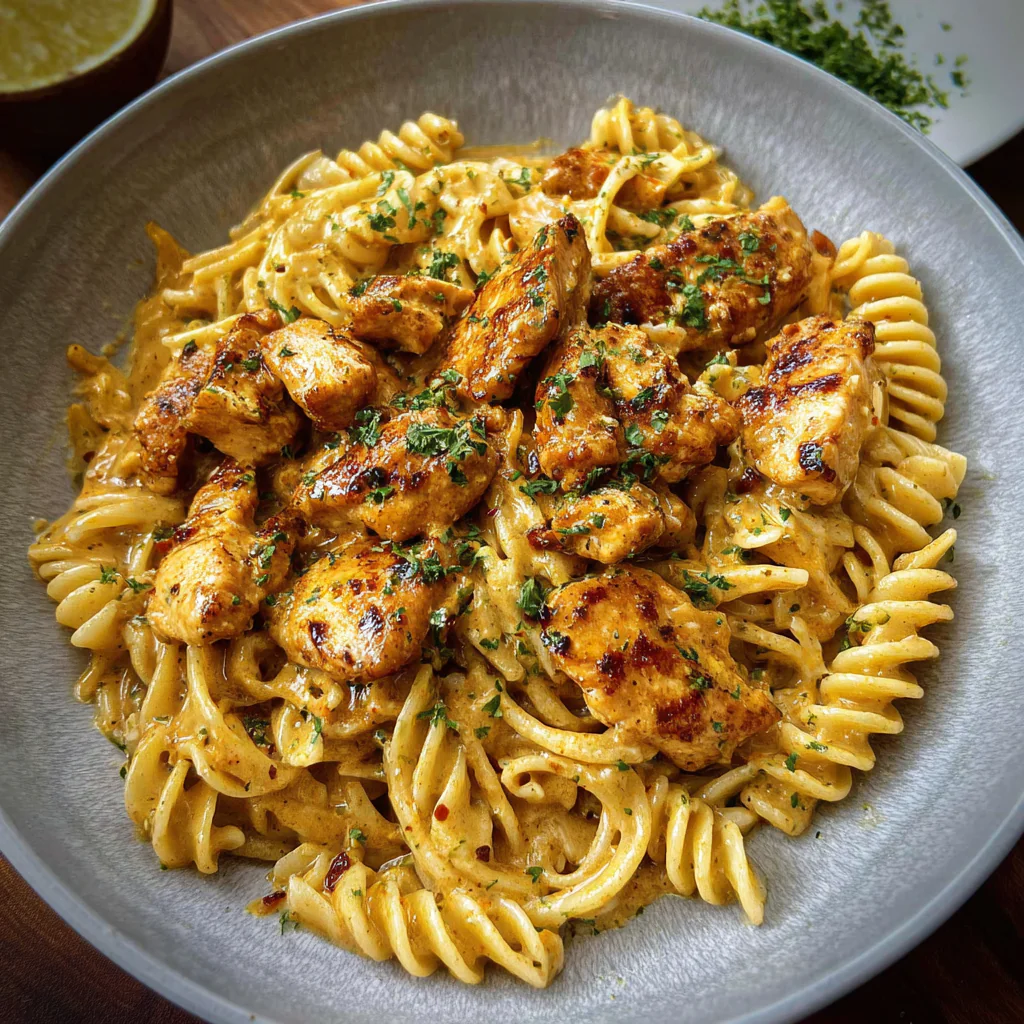
Step-by-Step Instructions
Step 1: Prep and Season the Chicken
Cut 1 ½ pounds boneless, skinless chicken breasts into 1-inch pieces. Uniform size means even cooking — nobody wants rubbery bits alongside raw ones. Season generously with ½ teaspoon kosher salt and ½ teaspoon black pepper. Let it sit while you prep other ingredients. Even five minutes of salting helps the seasoning penetrate rather than just sitting on the surface.
Step 2: Brown the Chicken
In a large skillet, melt 1 tablespoon salted butter over medium-high heat. Once it foams and the foam begins to subside, add the chicken in a single layer. Don’t crowd the pan — work in batches if needed. Overcrowding drops the temperature and causes steaming instead of browning.
Cook for 6-8 minutes, turning occasionally, until the chicken is browned on multiple sides and cooked through to an internal temperature of 165°F. The Maillard reaction happening here creates hundreds of new flavor compounds through protein caramelization. That browning isn’t just aesthetic — it’s where depth comes from.
Remove the chicken and set aside. Leave any fond and juices in the pan.
Step 3: Cook the Pasta
Bring a large pot of salted water to a boil. The water should taste like a well-seasoned soup — that’s your only chance to season the pasta itself. Cook 12 ounces linguine according to package directions until al dente. Usually 8-10 minutes.
Before draining, reserve ½ cup pasta water. This starchy liquid is liquid gold for sauces — the starch helps emulsify the fat and liquid into a cohesive coating rather than a separated mess. Cowboy Butter Chicken Linguine: The Bold, Flavor-Packed Pasta You Didn’t Know You Needed.
Step 4: Build the Aromatic Base
In the same skillet (don’t wash it), melt the remaining ¼ cup butter over medium heat. Add 2 chopped shallots, ½ teaspoon smoked paprika, and ½ teaspoon red pepper flakes. Cook for 5 minutes, stirring occasionally, until the shallots are softened and translucent.
The spices bloom in the fat, which intensifies their flavor. This is why we add them with the aromatics rather than later — fat carries those volatile compounds better than water ever could.
Step 5: Add Garlic and Deglaze
Stir in 2 minced garlic cloves and cook for 1 minute. Garlic burns faster than shallots and turns bitter, so it goes in later. You’ll smell when it’s ready — that aromatic hit means the sulfur compounds are activating.
Pour in ½ cup of the reserved pasta water and scrape the bottom of the skillet with a wooden spoon. This deglazing step lifts all that concentrated fond into the sauce. The first time I skipped this step, the result was noticeably flatter. Don’t do that.
Step 6: Create the Cream Sauce
Lower the heat to medium-low and pour in ⅔ cup heavy cream. Stir constantly as it comes to a gentle simmer — about 5 minutes. You want it to reduce slightly and thicken.
Gradually add ½ cup freshly grated Parmesan cheese, stirring until melted and smooth. The cheese contains proteins and fats that help stabilize the emulsion. Add it too fast or at too high heat, and you risk graininess.
Step 7: Combine Everything
Return the cooked chicken to the skillet. Add 1 teaspoon lemon zest, 1 tablespoon lemon juice, and 1 tablespoon each minced parsley and chives. Stir to combine.
Add the drained pasta and toss until every strand is coated. If the sauce seems too thick or isn’t coating well, add pasta water 1 tablespoon at a time until it reaches the right consistency. The starch in that water helps the sauce cling to the noodles.
Cook for 2-3 more minutes to let everything meld. Taste and adjust seasoning — more salt, more lemon, more heat. This is your last chance.
Step 8: Serve
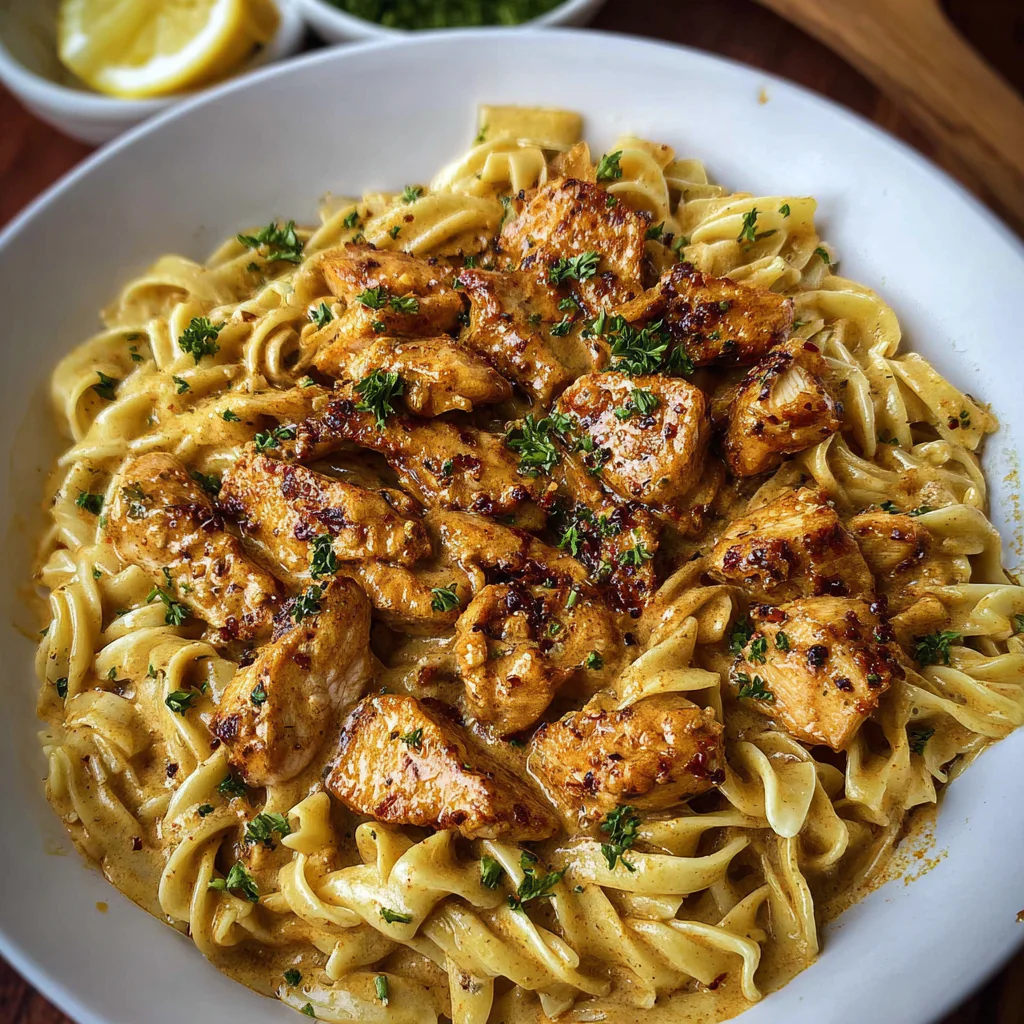
Plate immediately. Garnish with remaining parsley and additional lemon slices if you want. Eat it while it’s hot.
💡 Pro Tips & Troubleshooting
The Chicken Turns Out Dry
This usually means one of two things: overcooking or uneven pieces. Use a meat thermometer and pull the chicken at 165°F. Carryover cooking will push it a few degrees higher as it rests. If you cut the pieces unevenly, the small ones overcook while the large ones catch up. Uniformity matters more than you’d think.
The Sauce Won’t Coat the Pasta
You probably skipped the pasta water. That starchy liquid is what makes restaurant pasta sauces cling so beautifully. Without it, the sauce slides right off. Add it gradually, tossing as you go, until the sauce emulsifies and coats each noodle. The sauce should look silky, not watery or greasy.
The Sauce Separated
High heat is usually the culprit. Heavy cream can break if boiled aggressively. Keep the heat at medium-low once the cream goes in, and stir frequently. If it does separate, remove from heat and whisk in a splash of cold pasta water or even a small ice cube — the temperature shock can help re-emulsify.
It Tastes Flat
Acid and salt are the fixes. Squeeze in more lemon juice — acid brightens everything. Then check your salt level. Pasta water should be well-salted, and the sauce needs its own seasoning. Taste at the end and adjust.
It’s Too Spicy
Add more cream or butter. Fat tempers heat. A little extra fat dilutes the capsaicin and makes the spice more tolerable without washing out the other flavors.
The Pasta Gets Mushy
You’re either overcooking it initially or letting it sit in the sauce too long before serving. Cook to al dente — it should have a slight bite. The pasta continues cooking in the sauce for those final 2-3 minutes, so factor that in. And serve immediately. This isn’t a dish that improves with waiting.
Serving Suggestions & Pairing Ideas
This dish is rich and bold, so it benefits from something fresh and acidic on the side. A simple green salad with a lemon vinaigrette cuts through the cream. So does a plate of roasted vegetables — broccoli, asparagus, or zucchini all work.
For bread, you don’t need anything fancy. A crusty baguette or even garlic bread gives people something to swipe through the extra sauce. Just don’t skip it — that sauce is the whole point.
Wine-wise, a crisp white like Sauvignon Blanc or Pinot Grigio balances the richness. If you prefer red, go light — a Pinot Noir won’t overpower the chicken or clash with the spices.
Making It Your Own: Dietary Adaptations & Customizations
Gluten-Free
Swap the linguine for your favorite gluten-free pasta. Rice-based varieties hold sauce well. Just watch the cooking time — gluten-free pasta can go from al dente to mushy faster than traditional pasta.
Dairy-Free
Use coconut cream instead of heavy cream. The coconut flavor is noticeable but works with the Cowboy Butter Chicken Linguine Recipe: A Bold & Flavorful Pasta You’ll Crave Weekly.