Introduction
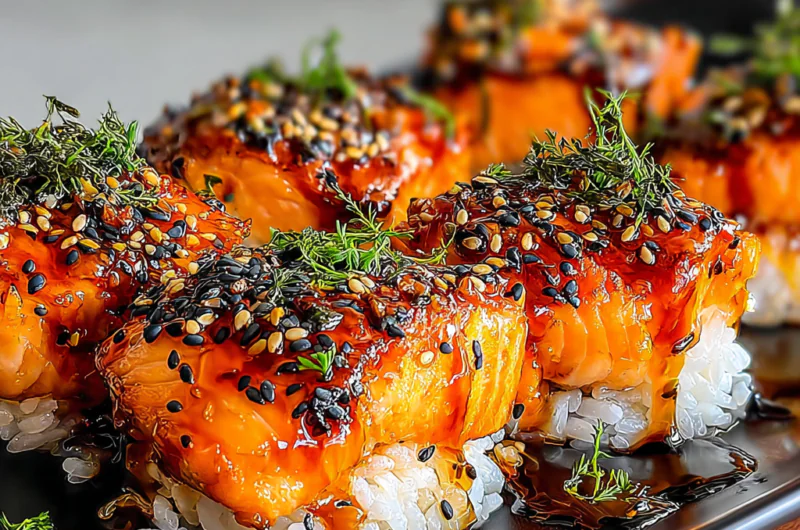
If you're looking for a delightful twist on traditional sushi, a seared salmon sushi bake might just be the answer. This dish combines the flavors of sushi with the comfort of a baked casserole, making it accessible and satisfying for home cooks of all skill levels. It's a perfect option for a casual weeknight dinner or a unique gathering with friends.
The layering of fresh ingredients atop a bed of sushi rice creates a beautiful presentation that tantalizes the taste buds. The creamy, zesty toppings complement the rich salmon, while a quick sear adds depth to the fish. What's even better? It’s all prepared in one dish, making cleanup a breeze.
Ingredients
- 2 cups sushi rice
This specific short-grain rice is essential for achieving the authentic sushi texture. It becomes sticky when cooked, allowing it to hold together well in the bake. - 2 ½ cups water
Used to cook the sushi rice, this water will absorb into the rice, making it fluffy and perfect for layering. - 1 tbsp rice vinegar
Rice vinegar adds a subtle tanginess, enhancing the flavor of the rice and mimicking traditional sushi preparations. - 1 lb salmon fillet, skin removed
Fresh salmon is the star of this dish, providing rich flavor and healthy fats. It should be seared to develop a lovely crust. - 2 tbsp soy sauce
Soy sauce adds umami depth to the dish, complementing the salmon and enhancing the overall flavor profile. - 1 avocado, diced
Avocado introduces creaminess and a hint of nuttiness, balancing the other ingredients and adding freshness. - 1/2 cup mayonnaise
Mayonnaise serves as a creamy binder for the toppings, enhancing richness without overwhelming the dish. - 1 tbsp sriracha sauce
This ingredient adds a spicy kick, perfect for those who enjoy a bit of heat. Adjust the quantity based on your spice preference. - 1/4 cup green onions, chopped
These add a fresh, crisp finish to the bake, providing a pop of color and a mild onion flavor. - nori sheets, torn into pieces
Nori sheets contribute the authentic oceanic flavor of sushi. They can be used for garnish or layered within the dish.
Directions & Preparation
Step 1: Rinse the sushi rice under cold water until the water runs clear.
This initial rinsing helps remove excess starch from the rice, which can result in a gummy texture. This step ensures each grain is individually cooked and contributes to a more appealing bite.
Step 2: Cook the sushi rice using a rice cooker or a pot with 2 ½ cups of water.
Cooking the sushi rice requires precise water ratios for fluffy results. Using a rice cooker simplifies the process while ensuring consistent doneness, but stovetop cooking can also yield great results with attention.
Step 3: Once cooked, let the rice cool slightly before adding rice vinegar.
Cooling lets the rice firm up a bit; adding rice vinegar while still warm helps the flavors meld. Stir gently to avoid breaking the grains and to achieve a nice, even coating.
Step 4: Preheat the oven to 375°F (190°C) while preparing the salmon.
Preheating the oven ensures the bake cooks evenly and thoroughly. This temperature is ideal for melting the topping while sufficiently cooking the salmon.
Step 5: Season the salmon fillet with soy sauce, then sear it in a hot skillet for about 3-4 minutes on each side until cooked through.
Searing the salmon develops a flavorful crust that enhances the overall taste of the dish. This step locks in moisture and creates a delightful textural contrast.
Step 6: Flake the cooked salmon and set it aside to cool slightly.
Flaking the salmon allows for even distribution throughout the bake. Just ensure it doesn't cool completely, as you want it to blend well with the other warm ingredients.
Step 7: In a bowl, combine mayonnaise, sriracha, and diced avocado, mixing well.
This creamy topping plays a crucial role in providing richness and heat that complements the salmon. You can adjust the sriracha for spice levels to suit your taste.
Step 8: Layer the sushi rice into a greased baking dish, pressing it down firmly.
Pressing the rice establishes a solid base that holds everything together during cooking. It's important for the overall structure of the sushi bake.
Step 9: Spread the flaked salmon evenly over the rice layer.
Distributing the salmon evenly ensures every bite is flavorful. This is key for achieving balanced flavor and texture throughout the casserole.
Step 10: Top the salmon with the mayonnaise mixture, spreading it to cover completely.
Covering the salmon with the creamy mixture enhances moisture retention during baking. It also contributes a luxurious flavor that enriches the dish.
Step 11: Sprinkle with chopped green onions and pieces of nori.
These toppings add color and a fresh finish to the bake. Nori introduces an authentic sushi element, making every mouthful remind you of sushi without needing to roll.
Step 12: Bake in the preheated oven for 20-25 minutes, until heated through and slightly golden on top.
Baking allows all the flavors to meld together beautifully while creating a lovely texture on top. Aim for a golden-brown finish, but be cautious not to overbake, which can dry out the dish.
Step 13: Remove from the oven and let it cool for a few minutes before serving.
Allowing the bake to rest makes it easier to slice and ensures the flavors set in place. This step also helps prevent burns from the hot filling, making for a more enjoyable eating experience.

The Perfect Rice for Sushi Bakes
Choosing the right rice is essential for achieving the desired texture and flavor in your sushi bake. Sushi rice is short-grained and sticky, allowing it to hold its shape when baked. It serves as the perfect base to support the flaky salmon and rich toppings, ensuring each slice maintains structural integrity and delivers the classic sushi experience.
Innovative Toppings to Elevate Your Bake
While avocado and a spicy mayo are stellar choices, don't hesitate to experiment with different toppings. Consider adding crushed sesame seeds for a nutty crunch or pickled ginger for that tangy bite. Each additional layer can enhance the flavor profile, making your sushi bake a customizable canvas for creative culinary expression.
Alternatives for Dietary Preferences
If you're looking to adjust the recipe for dietary restrictions, consider using tuna or tofu in place of salmon. Both proteins can provide a tasty alternative while still allowing for a satisfying sushi-like experience. Additionally, using alternative mayonnaises or adding Greek yogurt can yield a lighter version without sacrificing flavor.
FAQs
What can I do if my salmon turns out overcooked?
If the salmon is overcooked, consider adding a touch more mayonnaise to the top layer to introduce additional moisture and balance out the dish's texture.
How can I make the sushi bake spicier?
To amplify the heat, you can increase the amount of sriracha in the topping or even add diced fresh chilies directly to the salmon layer before baking.
Is there a vegetarian option for this recipe?
Certainly! You can replace the salmon with marinated tofu or additional vegetables like mushrooms to maintain a hearty texture while keeping it meat-free.
What should I do if the rice is too sticky?
If your rice turns out too sticky after cooking, it may help to rinse it again, or you can serve it with a flavored sauce to balance the texture.
Can I use leftover salmon from another meal?
Absolutely! Just ensure the leftover salmon is adequately flaked and incorporated evenly into the layers, adjusting the seasoning as needed.
What kind of nori should I use?
You can use standard sushi nori sheets; toasted nori adds an extra layer of flavor and crunch. Just be mindful of the size when tearing pieces for your bake.
Conclusion
Creating a seared salmon sushi bake is not only a fun way to experiment in the kitchen but also an incredible way to bring the flavors of sushi to the comfort of home cooking. With its layers of fresh ingredients and rich flavors, it's a dish that will impress any gathering and provide a unique dinner option.
Encourage yourself to play with the flavors, trying out different toppings and ingredients to make it your own. Once you have the basics down, every bake can be a new culinary adventure, ensuring that mealtime is never mundane.
Recipe Card
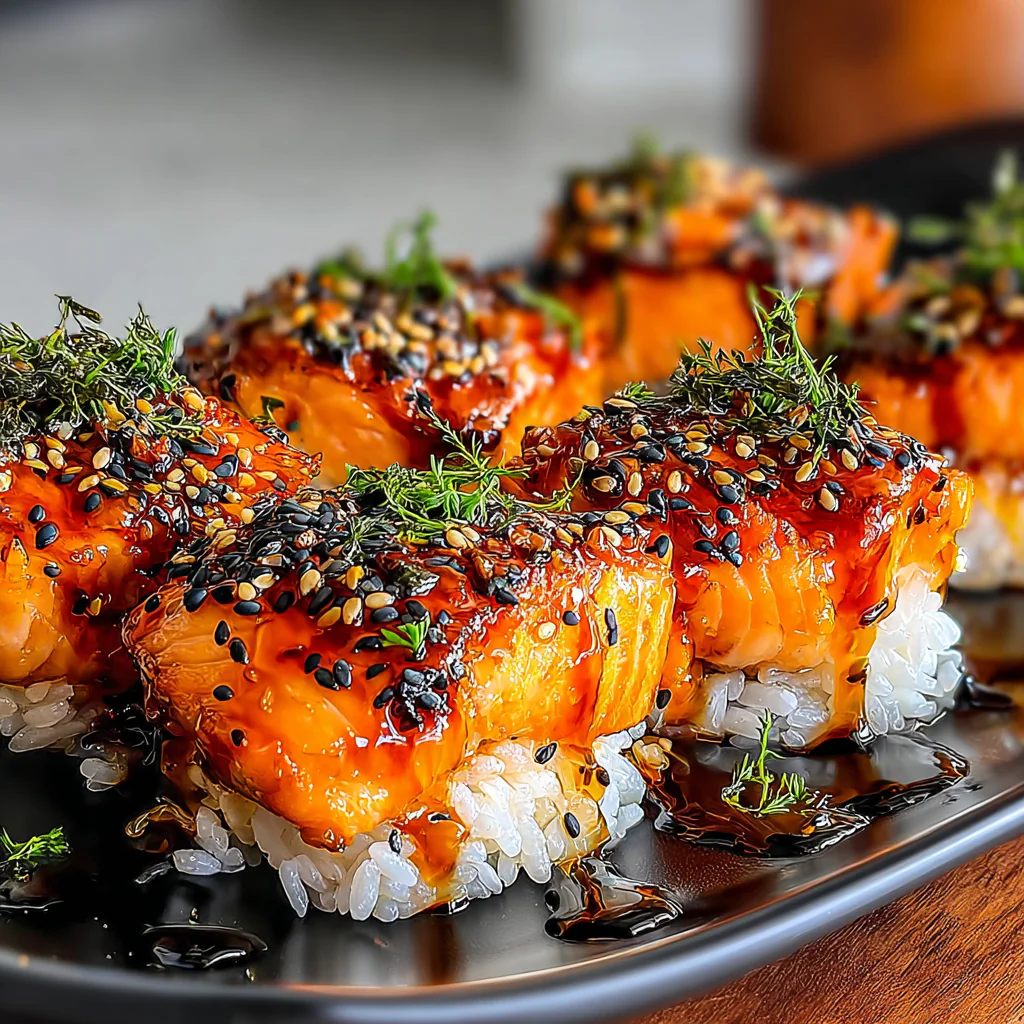
Deliciously Easy Seared Salmon Sushi Bake Recipe
Ingredients
Method
- Rinse the sushi rice under cold water until the water runs clear.
- Cook the sushi rice using a rice cooker or a pot with 2 ½ cups of water.
- Once cooked, let the rice cool slightly before adding rice vinegar.
- Preheat the oven to 375°F (190°C) while preparing the salmon.
- Season the salmon fillet with soy sauce, then sear it in a hot skillet for about 3-4 minutes on each side until cooked through.
- Flake the cooked salmon and set it aside to cool slightly.
- In a bowl, combine mayonnaise, sriracha, and diced avocado, mixing well.
- Layer the sushi rice into a greased baking dish, pressing it down firmly.
- Spread the flaked salmon evenly over the rice layer.
- Top the salmon with the mayonnaise mixture, spreading it to cover completely.
- Sprinkle with chopped green onions and pieces of nori.
- Bake in the preheated oven for 20-25 minutes, until heated through and slightly golden on top.
- Remove from the oven and let it cool for a few minutes before serving.
Tried this recipe?
Let us know how it was!Notes
Additional serving suggestions: pair with a crisp salad, garlic bread, or roasted seasonal vegetables for balance.
For make-ahead, prep components separately and assemble just before heating to preserve texture.
Taste and adjust with acid (lemon/vinegar) and salt right at the end to wake up flavors.