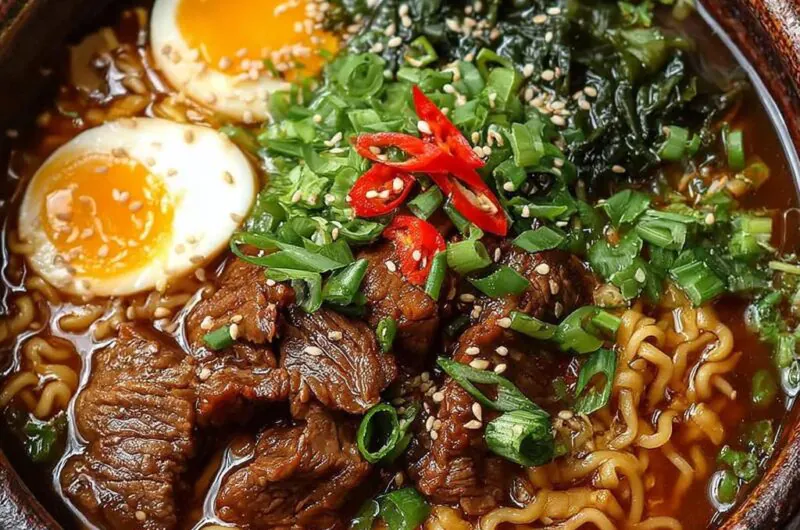
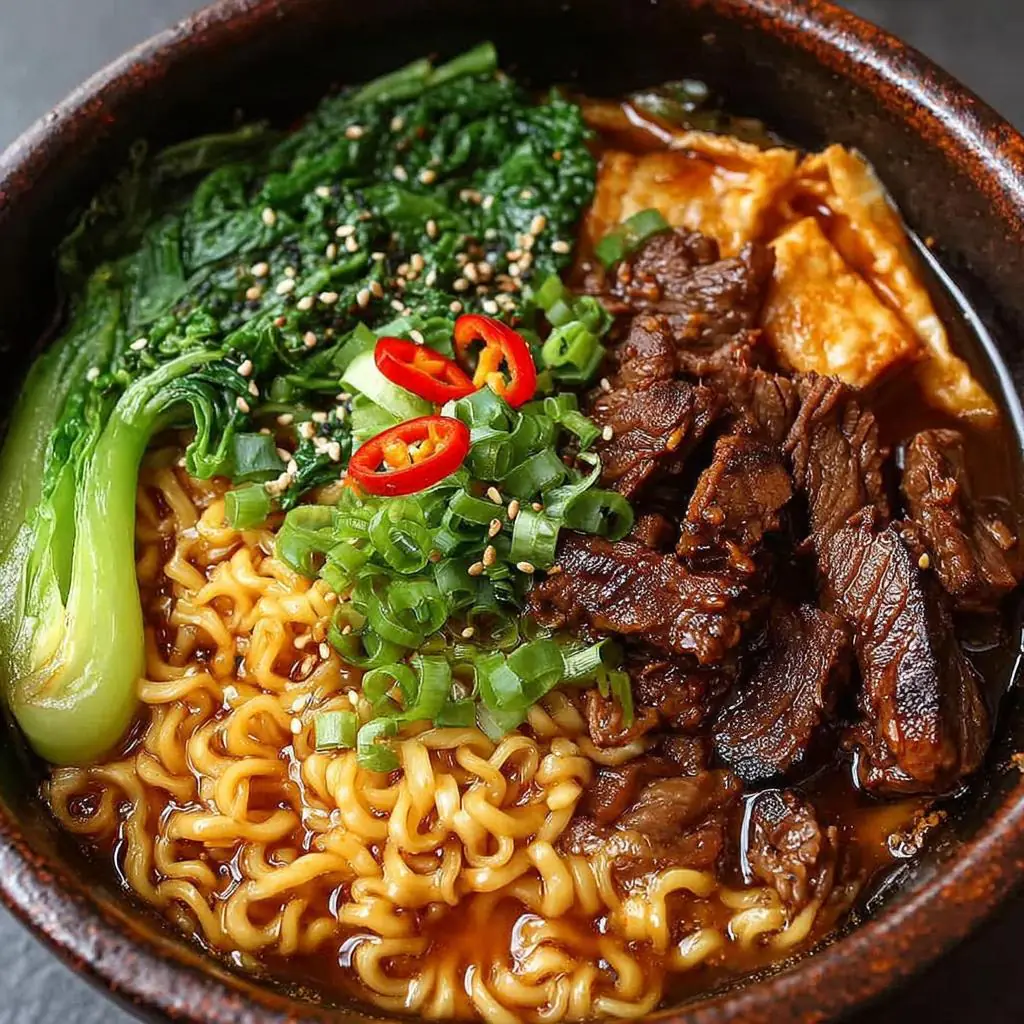
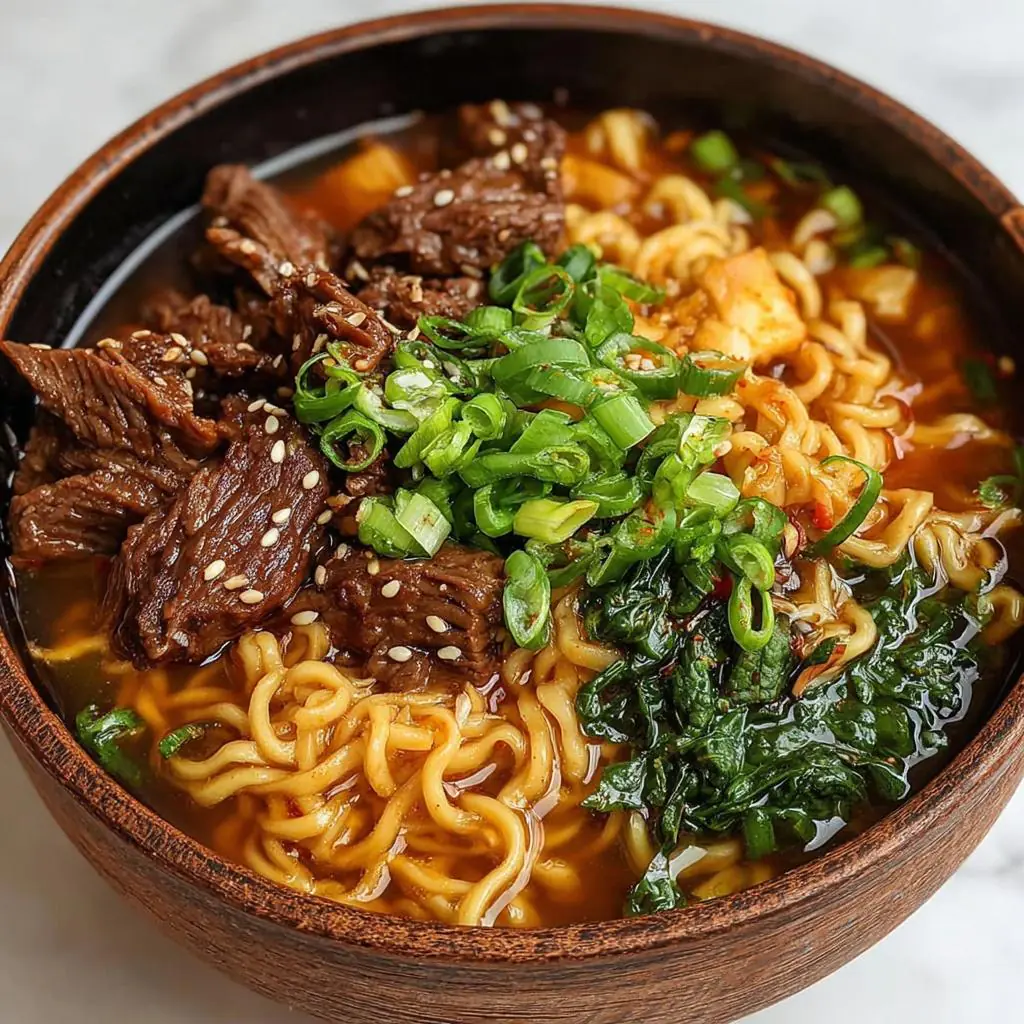
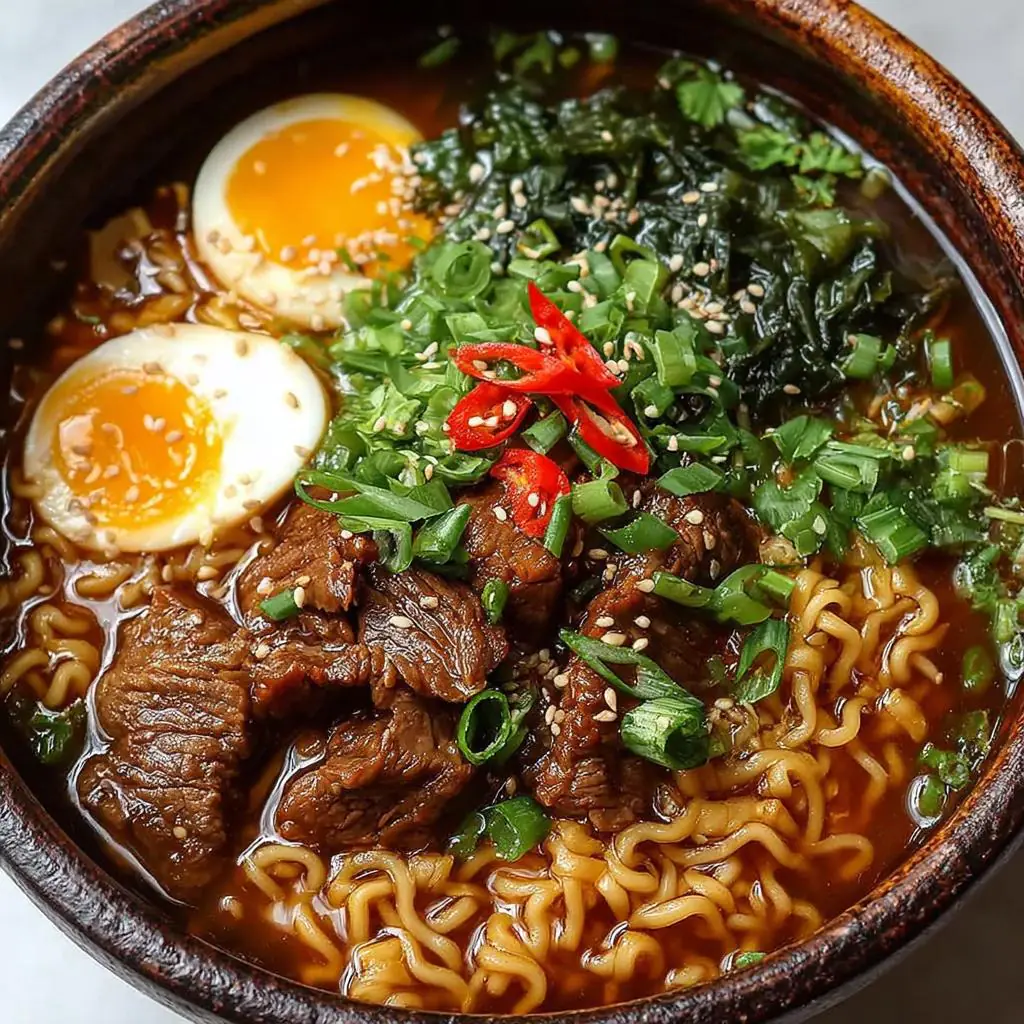
A sweet-spicy-savory noodle stir-fry with caramelized beef, crisp vegetables, and a gochujang-based sauce that clings to every strand.
📋 In This Article
Introduction
Some nights you want takeout. Other nights you want something better — and faster. That’s where Korean Beef Noodles come in. This dish takes the bold, fermented depth of Korean cuisine and channels it into a weeknight meal you can pull off in 20 minutes, start to finish. We’re talking tender strips of beef seared until the edges crisp, tossed with noodles that have just the right chew, and coated in a sauce that balances sweet, spicy, and umami in every bite.
The secret? Gochujang. This fermented Korean chili paste does heavy lifting — it brings heat, yes, but also a subtle sweetness and deep savoriness that you just can’t fake. Combined with soy sauce, sesame oil, and a hit of honey, it creates a glaze that doesn’t just sit on the noodles. It emulsifies with the pan drippings and coats everything in a glossy, flavor-packed sheen. Slow Cooked Shredded Beef Ragu Pasta Recipe.
Ingredients
For the Sauce
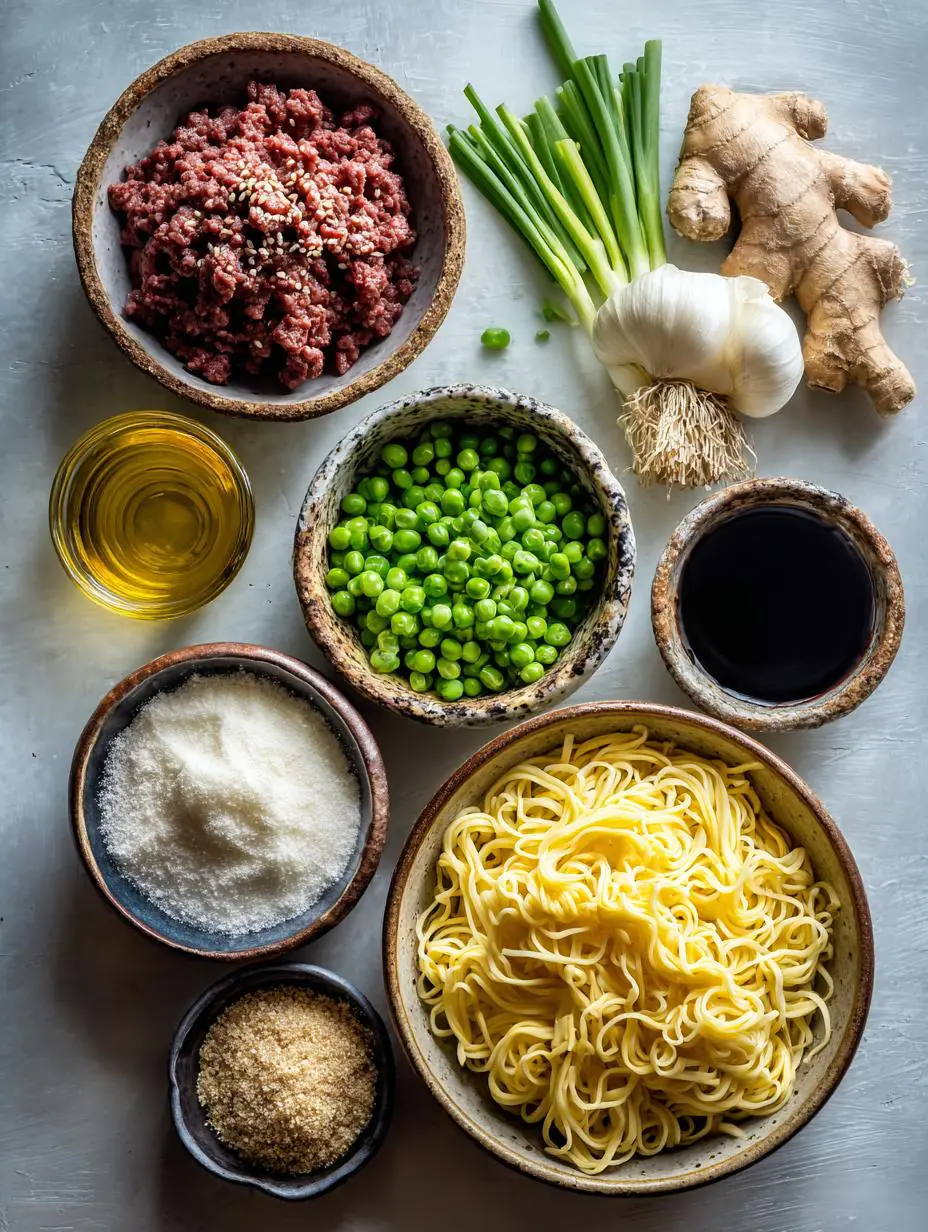
- 4 cloves garlic, minced
- 1 tablespoon fresh ginger, grated
- 1/2 cup soy sauce or tamari for a gluten-free option
- 1/4 cup honey
- 2 tablespoons rice vinegar
- 2-3 tablespoons Gochujang (Korean chili paste)
- 1 tablespoon toasted sesame oil
For the Noodles
- 8 ounces brown rice noodles (or your preferred noodle type such as linguine or ramen)
For the Beef
- 1 pound flank steak, thinly sliced (or substitute with ground beef or chicken breast)
For the Vegetables
- 3 shallots, sliced
- 1 cup bell peppers, sliced thinly
- 1 cup zucchini, sliced
- 1 cup carrots, julienned
- Optional: 1/4 cup kimchi for serving
- Optional: 1-2 tablespoons Doenjang (fermented soybean paste) for deeper flavor
For Garnish
- Fresh basil, torn
- Sliced scallions
- 1/4 cup sesame seeds, toasted
How It All Comes Together
Start with the noodles. Boil them according to package instructions, then immediately rinse under cold water. This halts the cooking process and washes away surface starch — the stuff that makes noodles turn gummy and stick together. You want each strand separate, ready to grab onto sauce rather than clumping into a sad mass.
While the noodles drain, heat a tablespoon of high-heat oil in a large skillet or wok over medium-high heat. When the oil shimmers — that’s your signal it’s hot enough — add the beef in a single layer. And here’s the thing: don’t crowd the pan. I learned this the hard way. Cram too much meat in at once and you’ll steam it gray instead of searing it brown. Work in batches if needed. Let the beef develop a deep caramelized crust, about 3-4 minutes per batch, then remove and set aside.
In the same pan, add your vegetables. Stir-fry until they’re crisp-tender and vibrant, roughly 2-3 minutes. You’re not trying to cook them into submission here — just soften them slightly while keeping some bite. Push the vegetables to the sides, then add the minced garlic and ginger to the center. Cook briefly until fragrant, about 30 seconds. Adding aromatics last prevents them from burning and turning bitter.
Return the beef to the pan. Pour in your sauce mixture — the Gochujang, soy sauce, sesame oil, honey, and rice vinegar — and let it bubble for a minute. This brief simmer does something important: it reduces the sauce slightly, concentrating flavors and allowing the sugars to caramelize just enough to thicken the glaze.
Now add the noodles. Toss everything together with tongs, lifting and folding rather than stirring aggressively. You want the noodles to get friendly with the sauce, absorbing its flavors while heating through — about 2 minutes. Serve immediately, scattered with scallions and toasted sesame seeds.
The Secret Behind This Dish
This recipe works because of chemistry, not magic. When beef hits a hot pan, the Maillard reaction kicks in — amino acids and sugars react under heat to create hundreds of new flavor compounds. That brown crust isn’t just pretty. It’s where the depth lives. Skip the sear, and you’re missing an entire layer of flavor.
Then there’s the Gochujang. Fermentation transforms simple ingredients — chili, glutinous rice, fermented soybeans, salt — into something far more complex. The paste contains glutamates, the compounds responsible for umami, which is why it makes everything taste richer and more savory. Combined with honey or sugar, it creates that signature Korean sweet-heat balance.
The noodles matter too. Rice noodles have a neutral flavor and springy texture that makes them ideal sauce carriers. They don’t compete with the beef or the glaze — they amplify both. If you’re using wheat-based noodles like ramen or linguine, they’ll work fine, but the texture will be slightly softer, the flavor more pronounced.
⚠️ Common Mistakes to Avoid
Overcrowding the pan. This is the number one error. When too much beef hits the pan at once, the temperature drops and moisture releases. Instead of searing, you’re steaming. The result? Gray, rubbery meat with no caramelization. Cook in batches, leaving space between pieces.
Overcooking the noodles. Mushy noodles can’t hold sauce properly — they turn into a textureless mass. Aim for al dente, then rinse immediately with cold water to stop carryover cooking. The noodles will finish heating in the sauce. Crispy Korean Corn Dogs with Cheesy Goodness.
Neglecting the aromatics timing. Garlic and ginger burn fast. Like, really fast. Add them after the vegetables have softened, cooking just until fragrant. Burnt garlic tastes acrid and bitter, and it will haunt every bite.
Uneven sauce distribution. A bland bite here, an oversalted one there — this happens when you don’t toss thoroughly. Use tongs and take the extra 30 seconds to coat everything evenly. Your future self will thank you.
💡 Pro Tips
Marinate the beef for 15 minutes if you have time. A quick soak in soy sauce, a pinch of sugar, and a splash of sesame oil gives the meat a flavor head start. The salt penetrates the muscle fibers, seasoning from within rather than just on the surface. Short on time? Even 5 minutes helps.
Choose the right cut. Flank steak is traditional — lean, flavorful, and quick-cooking when sliced thin against the grain. But sirloin or ribeye work beautifully if you want more marbling. For a budget option, ground beef transforms this into a different but equally delicious dish.
Toast your sesame seeds. Raw seeds taste flat. Put them in a dry pan over medium heat for 2-3 minutes, shaking occasionally, until golden and fragrant. It takes almost no effort and adds a nutty crunch that elevates the final dish.
Use a wok if you have one. The curved shape allows for high-heat tossing without spilling, and the carbon steel develops a natural nonstick patina over time. No wok? A large skillet works — just make sure it’s not nonstick, which doesn’t brown as effectively.
What to Serve Alongside
These noodles are substantial on their own, but a few sides can round out the meal. Kimchi is the obvious choice — its fermented tang cuts through the richness of the beef and sauce. Store-bought works, homemade is better if you’re feeling ambitious.
Quick-pickled cucumbers or radishes offer crunch and acidity, cleansing the palate between bites. And if you want to lean into the comfort-food angle, serve with a small bowl of steamed rice on the side. It catches any extra sauce and extends the meal.
For drinks, soju is the classic pairing — clean, slightly sweet, and lower in alcohol than most spirits. A cold lager or even a dry riesling works too. Green tea makes a nice non-alcoholic finish.
Storing and Reheating
Let leftovers cool completely before transferring to an airtight container. Refrigerated, they’ll keep for up to 4 days. The noodles will absorb more sauce as they sit, so the dish may seem drier the next day.
To reheat, add a splash of water or broth to loosen things up. Microwave in short bursts, stirring between each, or reheat in a pan over medium heat. The stovetop method gives better texture — the noodles regain some chew, and you can crisp up the beef slightly if you let it sit undisturbed for a minute before tossing. Sticky Ground Beef Rice Bowl Recipe: The Ultimate Sweet-Savory Comfort Food.
Frequently Asked Questions (FAQ)
+Which Korean noodles work best with beef?
Japchae noodles (sweet potato starch) and Ramyeon (Korean instant noodles) are popular choices. Japchae offers a chewy, glass-like texture, while Ramyeon brings springy bite. Brown rice noodles, ramen, or even linguine work well for this stir-fry style.
+What meat goes with Korean noodles?
Flank steak is ideal — thin slices sear quickly and absorb sauce beautifully. Sirloin and ribeye are excellent alternatives. Ground beef, chicken, or pork also work. For a vegetarian version, firm tofu or tempeh can stand in for the protein.
+Why is my beef tough?
Usually two culprits: cutting with the grain instead of against it, or overcooking. Slice flank steak perpendicular to the muscle fibers for tenderness. And cook quickly over high heat — prolonged cooking toughens lean cuts.
+Can I make this less spicy?
Absolutely. Start with 1 tablespoon of Gochujang and taste before adding more. You can also balance heat with extra honey. For a completely mild version, substitute the chili paste with miso paste — you’ll lose the spice but keep the umami depth.
+Can I skip the gochujang?
You can, but you’ll lose the dish’s signature character. The closest substitute is a mix of miso paste, sriracha or chili flakes, and a touch of honey. It won’t be identical, but it captures some of the fermented complexity.
+How long do leftovers last?
Properly stored in the refrigerator, this dish keeps for up to 4 days. The noodles soften over time, so for best texture, consume within 2 days. Reheat with a splash of liquid to restore moisture.
20 Minute Korean Beef Sesame Noodles
Ingredients
Method
- 1. To make the sauce. Combe all ingredients in a glass jar. Shake or whisk to combine. 2. Cook the rice noodles according to package directions. Drain and rinse under cold water. 3. Heat 1 tablespoon oil in a large skillet over high heat. Add the vegetables and cook until wilted, 2-3 minutes. Stir in 2 tablespoons of the sauce. Cook until the sauce coats the veggies. Remove from the pan. 4. In the same skillet, add 1 tablespoon oil. Then add the shallots and cook 2 minutes, until deeply softened. Add the beef and cook, undistributed, until seared, 2 minutes. Toss the meat, then pour in the sauce. Simmer 1 minute, then stir in the noodles and vegetables. Cook 2-3 minutes, until the sauce coats the noodles. 5. Remove from the heat and stir in the basil and sesame seeds. Serve topped with fresh basil.
Nutrition
Notes
- For perfectly cooked noodles, aim for al dente; they will continue to cook slightly when mixed with the hot beef and vegetables.
- To prevent the sauce from breaking, ensure you keep the heat moderate when adding it to the skillet, allowing it to simmer gently rather than boiling vigorously.
- If you're short on time, you can use pre-cut stir-fry vegetable mixes available at the store to save on prep time.
- Store leftovers in an airtight container in the fridge for up to 4 days; reheat gently on the stovetop with a splash of water to prevent drying out.
- For a lighter option, substitute the flank steak with sliced chicken breast or even tofu for a vegetarian twist.