Introduction
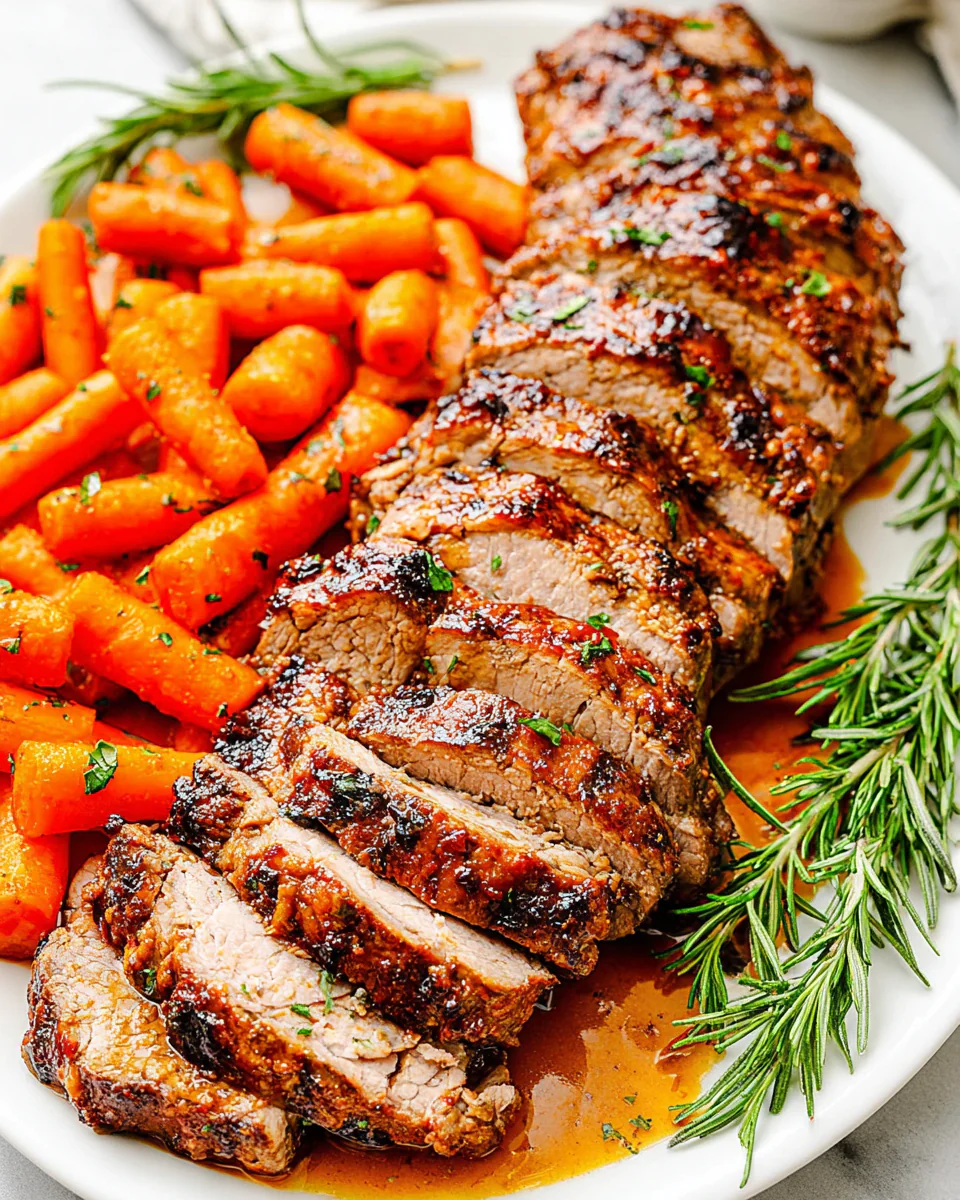
Roasting pork tenderloin is one of the most satisfying ways to create a delicious and impressive meal at home. This cut of meat is not only tender and juicy, but it also absorbs flavors exceptionally well, making it a favorite among home cooks.
With the right seasonings and cooking method, you can elevate this humble cut into a centerpiece for any family gathering or dinner party. The beauty of roasted pork tenderloin lies in its simplicity — a few quality ingredients and a bit of time can lead to an extraordinary result.
Ingredients
- 1.5 lbs pork tenderloin
Pork tenderloin is a lean cut of meat that cooks quickly and remains tender when roasted. Its mild flavor makes it a perfect canvas for various seasonings, allowing you to customize the dish to your taste. - 2 tbsp olive oil
Olive oil not only helps in evenly roasting the pork but also adds richness to the overall flavor. It assists in browning the meat and creates a beautiful crust, sealing in juices during the cooking process. - 2 tsp salt
Salt is essential for enhancing the natural flavor of the pork. It helps to tenderize the meat and ensures that each bite is well-seasoned, elevating the overall dining experience. - 1 tsp black pepper
Freshly ground black pepper adds a subtle spice that complements the richness of the pork. It enhances the flavor profile without overpowering the seasoning. - 1 tsp garlic powder
Garlic powder infuses the pork with a warm, aromatic flavor. Its convenience makes it a go-to seasoning that can add depth even when time is short. - 1 tsp onion powder
Onion powder contributes a sweet and savory note that balances the overall flavor. It’s an easy way to bring out the essence of the dish without needing fresh onions. - 1 tsp dried thyme
Thyme adds an earthy and herbal dimension to the meat. Its fragrant profile pairs beautifully with pork, enhancing its natural qualities. - 1/2 cup chicken broth
Using chicken broth in the roasting process infuses moisture into the pork, preventing it from drying out. It also serves as a flavorful base for pan sauces or gravies. - 2 tbsp balsamic vinegar
Balsamic vinegar contributes a sweet and tangy flavor that brightens the rich taste of the pork. It also helps to create a lovely glaze during roasting.
Directions & Preparation
Step 1: Preheat your oven to 400°F.
Preheating the oven is crucial to ensure your pork tenderloin starts cooking at the proper temperature right away. This helps in achieving a beautifully roasted exterior while locking in moisture, resulting in juicy meat.
Step 2: Pat the pork tenderloin dry with paper towels.
Drying the pork allows for better browning and caramelization. Removing excess moisture helps the seasoning adhere better and ensures that you get that desirable crust during roasting.
Step 3: Rub the pork with olive oil and season with salt, pepper, garlic powder, onion powder, and thyme.
Coating the pork with olive oil and seasoning it well is essential for flavor development. The oil helps the spices adhere, while the seasoning penetrates into the meat, enhancing the taste of each bite.
Step 4: Heat a large oven-safe skillet over medium-high heat.
Heating the skillet before placing the pork in it is important for achieving a seared crust. A hot skillet promotes browning, which adds flavor and texture to the tenderloin.
Step 5: Sear the pork on all sides until browned.
Searing the pork locks in juices and creates a flavorful crust. Be sure to turn the tenderloin consistently to achieve even browning on all sides, which enhances the dish's visual appeal and overall taste.
Step 6: Pour chicken broth and balsamic vinegar into the skillet.
Adding chicken broth and balsamic vinegar will deglaze the skillet, picking up the flavorful bits left behind after searing. This mixture will keep the pork moist and create a tasty base for any pan sauce.
Step 7: Transfer the skillet to the oven and roast for 20-25 minutes.
Roasting the tenderloin in the oven allows it to cook evenly at the correct temperature. It's essential to monitor the internal temperature, aiming for 145°F to ensure the pork is perfectly cooked and safe to eat.
Step 8: Remove the pork from the oven and let it rest for 5-10 minutes.
Resting the pork before slicing is vital for retaining juices within the meat. Cutting too soon allows the juices to escape, which can lead to a drier tenderloin. This step ensures each slice is moist and flavorful.
Step 9: Slice the tenderloin and serve with pan sauce or sides.
Slicing the pork allows the beautifully cooked tenderloin to be served in an appealing way. The pan sauce can be drizzled over the slices for an extra burst of flavor, making the dish even more enjoyable.

Searing for Flavor
Searing the pork tenderloin is a technique that cannot be overlooked. This crucial step caramelizes the proteins and sugars on the surface of the meat, producing a deep, rich flavor. When you achieve that golden-brown crust and savory aroma, you're not just enhancing texture; you're creating a flavorful base that elevates the entire dish.
The Importance of Resting
Resting your pork tenderloin may seem like a simple step, but it dramatically impacts the moisture and tenderness of the meat. When pork is removed from heat, the juices are drawn toward the center. Allowing it to rest redistributes those juices, ensuring that every slice is juicy and packed with flavor. Patience here pays off!
Versatile Serving Options
Roasted pork tenderloin is exceptionally versatile, allowing you to pair it with a variety of sides and sauces. Whether you're serving it alongside roasted vegetables, a fresh salad, or creamy mashed potatoes, this dish adapts beautifully. You can also utilize the pan drippings to create a sauce that enhances the flavor palette, making the meal even more satisfying.
FAQs
What should I do if my pork tenderloin is overcooked?
If your pork tenderloin is overcooked, consider slicing it thinly and serving it with a sauce or gravy to add moisture back into the dish. This can help mask any dryness and enhance flavors.
Can I substitute pork tenderloin with another cut of meat?
Yes, you can use chicken breast or beef tenderloin as substitutes, but cooking times will vary. Make sure to adjust accordingly to ensure the meat is cooked through without becoming dry.
What temperature should I aim for when cooking the pork?
The USDA recommends cooking pork tenderloin to an internal temperature of 145°F for optimal juiciness and tenderness. Use a meat thermometer to check for accurate results.
How can I add a spicy kick to this recipe?
To add heat, mix in some cayenne pepper or crushed red pepper flakes with your seasonings. You can adjust the amount according to your heat preference for a custom flavor.
What should I do if the pan sauce is too thick?
If the pan sauce is too thick, gradually add a little more chicken broth or water while stirring to achieve the desired consistency. A splash of wine can also enhance flavor and ensure a smoother texture.
Can I make this dish with a marinade instead of just seasoning?
Absolutely! Marinating the pork tenderloin before roasting can infuse more flavor. A mix of soy sauce, garlic, and herbs can create a delightful marinade. Just ensure to pat the meat dry before searing.
Conclusion
Creating a roasted pork tenderloin is not just about the cooking process; it’s about infusing your meal with flavors that speak to your culinary creativity. With the right ingredients and techniques, you can produce a dish that your family and friends will rave about.
This recipe not only highlights the beauty of lean meat but also showcases how simple it can be to impress at any dining occasion. So preheat your oven, gather your ingredients, and enjoy the process of making a memorable meal.
Recipe Card

Savor the Flavor: Dinner Ideas with Ground Beef
Ingredients
Method
- Begin by heating a large skillet over medium heat.
- Add the chopped onions and sauté until translucent.
- Stir in the minced garlic and cook for an additional minute.
- Increase heat to medium-high and add ground beef.
- Season with salt, pepper, and chili powder; cook until browned.
- Add diced tomatoes and stir well; lower heat and simmer.
- If using, sprinkle shredded cheese on top and cover until melted.
- Serve warm, garnished with fresh herbs if desired.
Tried this recipe?
Let us know how it was!Notes
Additional serving suggestions: pair with a crisp salad, garlic bread, or roasted seasonal vegetables for balance.
For make-ahead, prep components separately and assemble just before heating to preserve texture.
Taste and adjust with acid (lemon/vinegar) and salt right at the end to wake up flavors.