Introduction
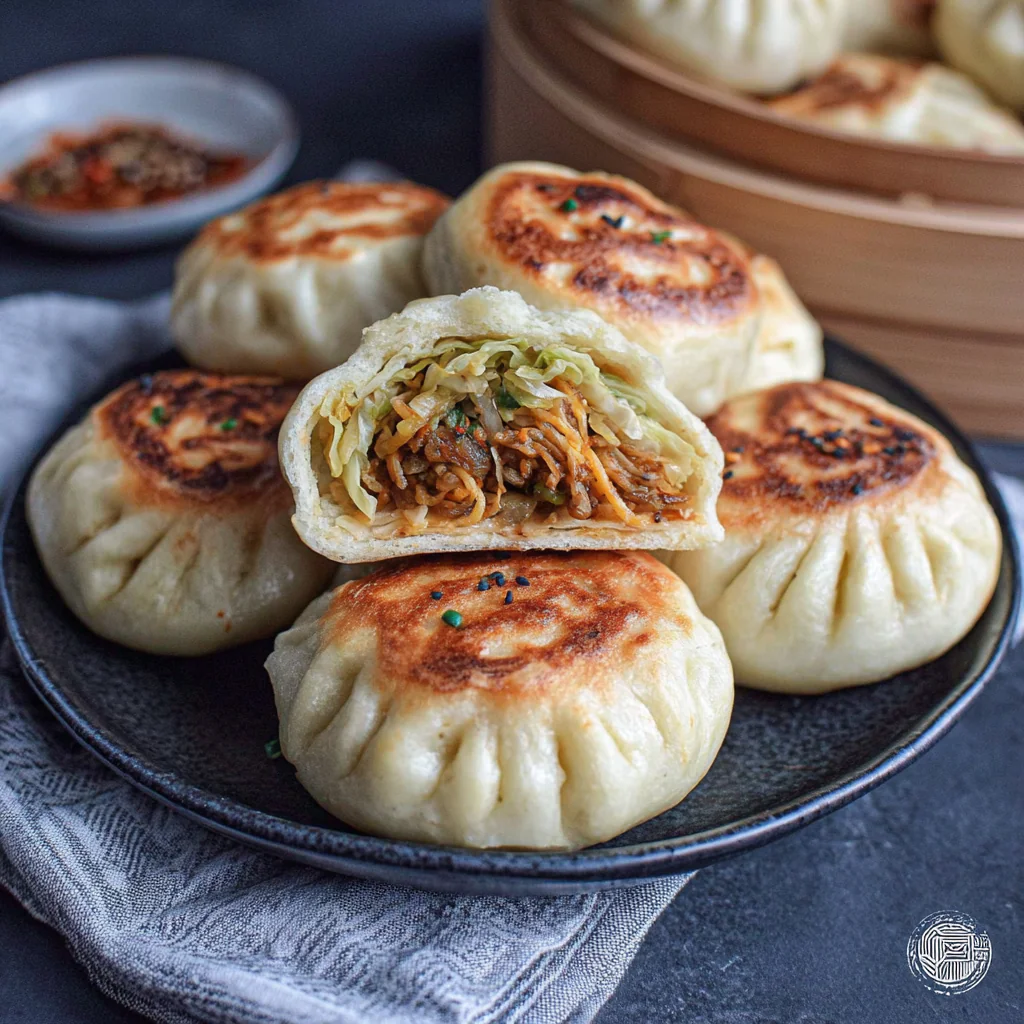
Pan-Fried Cabbage and Noodle Buns embody comfort food at its finest, blending savory flavors with a delightful crispy texture. This dish, popular in various cuisines, is a fusion of caramelized cabbage and soft, chewy noodles encased in a golden-brown shell that beckons for your attention.
Whether you’re exploring new flavor profiles or simply wanting to spice up your dinner routine, this recipe is both delicious and satisfying. It’s a great way to incorporate vegetables like cabbage into your meals while enjoying the heartiness of noodles.
Ingredients
- 1 medium head of green cabbage (about 2 lbs)
The star of our dish, cabbage adds both texture and nutritional value. Its natural sweetness intensifies during cooking, balancing the other flavors in the buns. - 8 oz wide rice noodles
These noodles provide a chewy and filling base, absorbing flavors from the cabbage and spices as they cook, creating a satisfying bite. - 2 tablespoons soy sauce
Soy sauce not only adds depth of flavor and umami but also contributes to the overall seasoning of the filling. It enhances the dish’s savoriness. - 1 tablespoon sesame oil
This oil adds a nutty aroma and flavor that complements the cabbage beautifully. It also contributes to the overall richness of the filling. - 3 cloves garlic, minced
Garlic deepens the flavor profile, offering aromatic notes that elevate the entire dish. It's essential for a well-rounded taste. - 1 teaspoon ground ginger
Ground ginger introduces a warm, spicy note that enhances the complexity of the filling. It works in harmony with the other flavors. - 4 green onions, chopped
Green onions add a fresh crunch and a burst of color, while their mild onion flavor balances the richness of the pork. - 1 large egg, beaten
The beaten egg acts as a binder for the filling, helping to hold everything together while adding an appealing richness. - Salt and pepper to taste
Essential for seasoning, salt and pepper enhance all the flavors in the filling, making sure each bite is delicious. - Vegetable oil for frying
Oil is crucial for frying the buns to a crisp, golden perfection. It ensures even cooking and adds a delightful crunch to the outer layer.
Directions & Preparation
Step 1: Prepare the rice noodles according to package instructions and set aside.
Cooking the rice noodles first is essential as they need time to cool before being mixed with the filling. Make sure to rinse them under cold water to halt the cooking process. This prevents the noodles from becoming mushy and ensures they remain chewy in the final dish.
Step 2: Chop the cabbage into thin strips and sauté it in a large skillet with a drizzle of vegetable oil.
Sautéing cabbage releases its natural sugars, allowing it to caramelize and develop a sweet, rich flavor. This step also softens the cabbage, making it easier to mix with the noodles. Keep an eye on it and stir frequently to ensure it cooks evenly.
Step 3: Add minced garlic and ground ginger to the cabbage, stirring well to combine.
Introducing garlic and ginger enhances the aroma and taste of the cabbage, creating a savory filling. Cooking these spices briefly allows their essential oils to infuse the dish, adding depth and a complex flavor profile that enhances the overall taste.
Step 4: In a large bowl, combine the sautéed cabbage, cooked rice noodles, soy sauce, sesame oil, chopped green onions, beaten egg, salt, and pepper.
Mixing all the filling ingredients in a bowl is crucial for ensuring an even distribution of flavors. The egg serves to bind the mixture, while the soy sauce and sesame oil add a rich depth to each bite. Make sure to mix thoroughly to incorporate all ingredients.
Step 5: Take a dumpling wrapper (or a small circle of dough if making from scratch) and place about a tablespoon of the filling in the center.
Properly filling the wrappers is vital to achieve well-balanced buns. Use enough filling to satisfy but not so much that the wrapper can’t contain it. This balance ensures you get delicious flavors without the hassle of overflowing.
Step 6: Fold the wrapper over the filling to create a half-moon shape, sealing the edges tightly.
Sealing the buns properly prevents any filling from leaking during frying. Press the edges firmly to secure the filling and create a nice shape. A well-sealed bun will crisp up beautifully in the skillet.
Step 7: Heat oil in a large skillet over medium heat and arrange the filled buns in a single layer.
Medium heat is ideal for frying, allowing the buns to cook through without burning. Arranging them in a single layer allows for even frying and crisping. Check the oil temperature by placing a small piece of dough in the skillet; it should sizzle upon contact.
Step 8: Fry the buns until golden brown on both sides, about 3-4 minutes per side.
Achieving that perfect golden color indicates that the buns are frying well. The browning adds both flavor and visual appeal. If they seem to be browning too quickly, reduce the heat slightly to ensure they cook evenly through.
Step 9: Remove the fried buns and drain them on a paper towel to absorb excess oil.
Draining on paper towels is crucial to maintaining a crisp texture by removing any excess oil. This step helps prevent the buns from becoming soggy and allows them to retain that desirable crunch.
Step 10: Serve warm with your favorite dipping sauce, such as soy sauce or chili oil.
Serving the buns immediately while warm ensures they are at their most delicious. Dipping sauces add an extra layer of flavor and allow you to customize the taste with each bite. Experiment with different sauces for a unique experience!

The Art of Frying
Frying these buns perfectly can make or break your dish. The key is finding the right balance of heat; too high, and you'll scorch the outside while leaving the inside raw. If your oil is too cool, the buns will absorb more oil, becoming greasy rather than crisp. To achieve that immaculate golden color, make sure the oil is hot enough before adding the buns. A simple test is dropping a small piece of dough into the oil; if it bubbles vigorously, you’re good to go.
Choosing the Right Noodles
Using wide rice noodles lends a delightful chew to your buns, but the type of noodles isn’t set in stone. If you're looking for alternatives, you can experiment with egg noodles or even whole wheat varieties, though they might change the texture slightly. The cooking time will vary, so adjust accordingly to ensure they complement the cabbage filling, absorbing all its delicious flavors.
Dive into Dipping Sauces
While simple soy sauce or chili oil are excellent accompaniments, don’t hesitate to experiment with your favorite sauces. A tangy vinegar-based sauce or a rich hoisin sauce can bring an exciting twist to the dish. You could also whip up a quick sesame dipping sauce with soy sauce, a splash of rice vinegar, and a sprinkle of sesame seeds. The right sauce can enhance the buns, making each bite a flavorful adventure.
FAQs
What can I do if my dough for the buns is too thick?
If your dough feels thick, you can gradually add a small amount of water to soften it. Alternatively, roll out the dough on a floured surface until it reaches your desired thinness.
Can I scale this recipe for a larger gathering?
Yes, this recipe can easily be scaled. Simply multiply the ingredients proportionately, ensuring you have ample cooking space and possibly frying in batches.
What if my cabbage filling tastes bland?
If your filling tastes bland, consider adding more soy sauce or seasoning with a bit of salt and pepper. Fresh herbs or a splash of vinegar can brighten the flavors as well.
Can I use different vegetables in the filling?
Absolutely! You can incorporate other vegetables such as carrots, bell peppers, or mushrooms to add variety and texture to the filling.
What if my buns are overcooked?
If your buns turn out overcooked, they may become dry. Serve them with a flavorful dipping sauce to help add moisture. Adjust your frying time for future batches.
Why did my buns come out soggy?
Soggy buns typically result from too much moisture in the filling or frying at too low a temperature. Ensure thorough cooling of noodles and ensure oil is hot enough during frying.
Conclusion
Pan-Fried Cabbage and Noodle Buns are not just a dish; they are an experience that brings warmth and joy to the table. Packed with flavor and a delightful fusion of textures, they are sure to impress family and friends alike.
As you explore this recipe, remember the importance of using quality ingredients and adapting to your preferences. Enjoy the process, share your creations, and revel in the comforting flavors that make this dish a household favorite.
Recipe Card
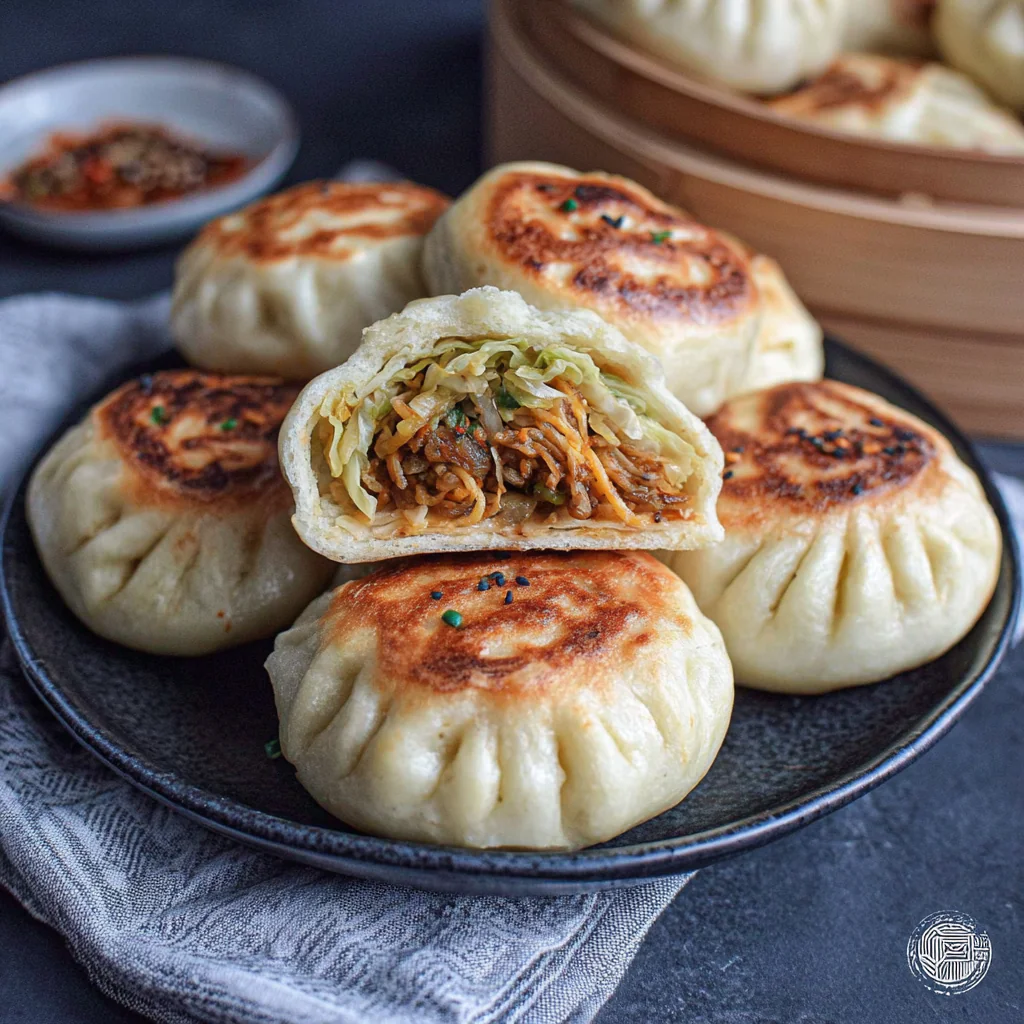
Savoring Pan-Fried Cabbage and Noodle Buns
Ingredients
Method
- Prepare the rice noodles according to package instructions and set aside.
- Chop the cabbage into thin strips and sauté it in a large skillet with a drizzle of vegetable oil.
- Add minced garlic and ground ginger to the cabbage, stirring well to combine.
- In a large bowl, combine the sautéed cabbage, cooked rice noodles, soy sauce, sesame oil, chopped green onions, beaten egg, salt, and pepper.
- Take a dumpling wrapper (or a small circle of dough if making from scratch) and place about a tablespoon of the filling in the center.
- Fold the wrapper over the filling to create a half-moon shape, sealing the edges tightly.
- Heat oil in a large skillet over medium heat and arrange the filled buns in a single layer.
- Fry the buns until golden brown on both sides, about 3-4 minutes per side.
- Remove the fried buns and drain them on a paper towel to absorb excess oil.
- Serve warm with your favorite dipping sauce, such as soy sauce or chili oil.
Tried this recipe?
Let us know how it was!Notes
Additional serving suggestions: pair with a crisp salad, garlic bread, or roasted seasonal vegetables for balance.
For make-ahead, prep components separately and assemble just before heating to preserve texture.
Taste and adjust with acid (lemon/vinegar) and salt right at the end to wake up flavors.