Introduction
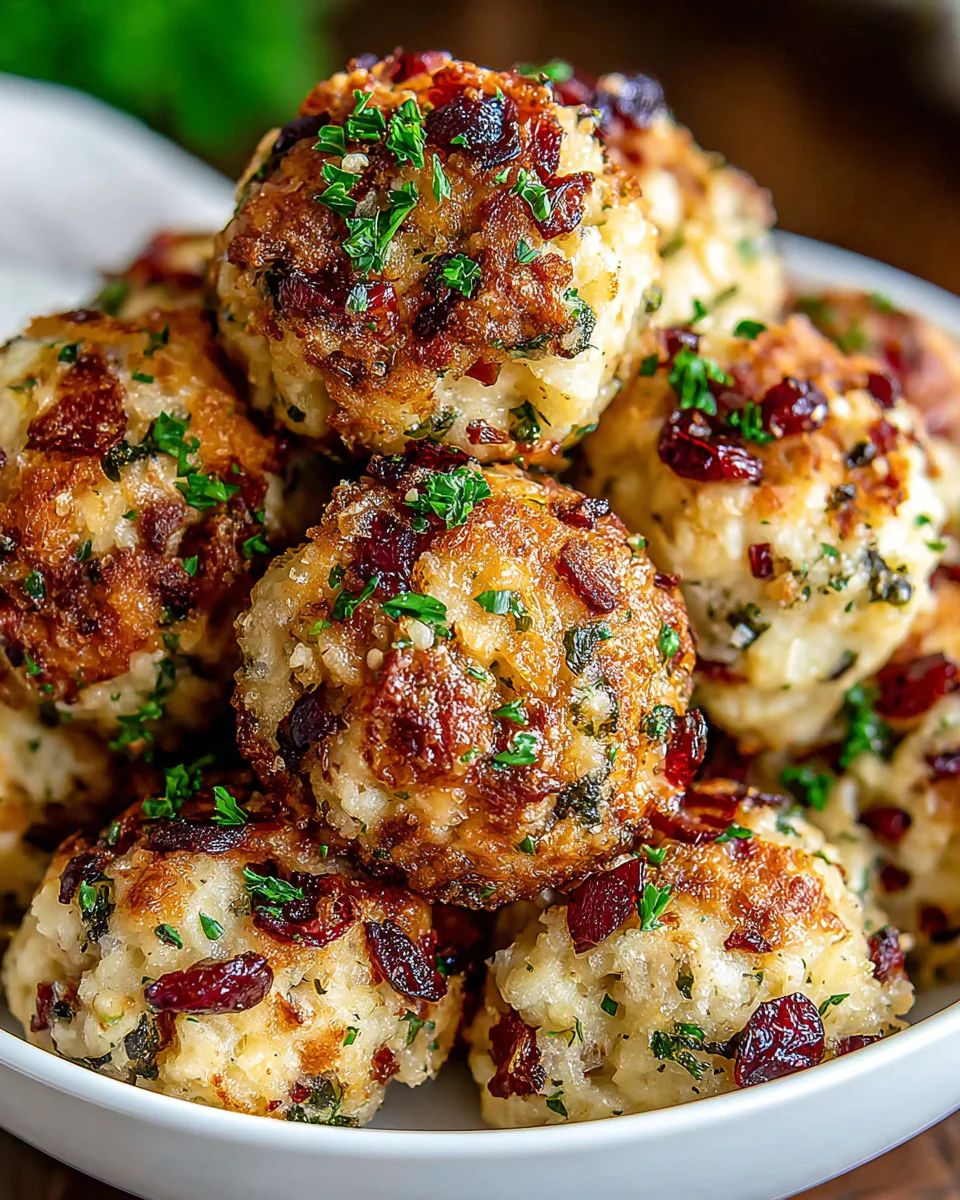
As the holiday season approaches, the scent of savory stuffing fills the air, evoking memories of family gatherings and celebrations. Stuffing balls take this classic side dish to new heights, transforming comfort food into portable, bite-sized delights that perfectly complement any festive meal.
Whether tucked alongside roasted turkey or served as a stand-alone treat, these golden orbs of flavor bring a satisfying crunch and are incredibly versatile. Imagine the aromas of fresh herbs, celery, and broth wafting from your oven, enticing your guests before they even take a bite.
Ingredients
- 4 cups stale bread, cubed
Bread provides the essential base for your stuffing balls, absorbing the flavorful liquids and adding texture. Stale bread is ideal as it helps the mixture hold together better, ensuring a crunchy exterior. - 1 cup vegetable or chicken broth
The broth adds moisture and depth of flavor, infusing the stuffing balls with a savory note. Choose a broth that matches your meal for a cohesive taste experience. - 1/2 cup celery, diced
Celery introduces a fresh crunch and a subtle earthiness, balancing the overall flavor profile. It's a classic ingredient in many stuffing recipes for good reason. - 1/2 cup onion, diced
Onion contributes sweetness and a rich aroma, which is fundamental in building the flavor base. Sautéing the onions before mixing allows them to caramelize, enhancing their sweetness. - 2 large eggs, beaten
Eggs act as a binding agent, ensuring that your stuffing balls hold their shape during baking. They also add richness to the overall flavor. - 1/4 cup fresh parsley, chopped
Parsley brightens the dish with its vibrant color and fresh flavor, enhancing the overall aesthetics while complementing the earthiness of the other ingredients. - 1 teaspoon dried thyme
Thyme adds an aromatic quality and depth to the stuffing balls, evoking the scents of a cozy holiday. This herb is often found in traditional stuffing recipes. - 1 teaspoon salt
Salt is essential for enhancing the overall flavors of the stuffing balls. It brings out the natural taste of the ingredients and helps balance the dish. - 1/2 teaspoon black pepper
Black pepper adds a mild heat and complexity to the flavor profile, rounding out the seasoning and contributing to the savory aspect of the dish.
Directions & Preparation
Step 1: Preheat the oven to 375°F (190°C).
Preheating the oven ensures that your stuffing balls cook evenly from the moment they enter. A hot oven helps achieve that crispy outer texture while keeping the inside moist.
Step 2: In a large skillet, heat a tablespoon of oil over medium heat. Add the diced onion and celery, cooking until softened, about 5–7 minutes.
Cooking these aromatics is crucial for unlocking their flavors. Sautéing them allows the natural sugars to caramelize, adding sweetness and depth to your stuffing balls.
Step 3: In a large bowl, combine the stale bread cubes, sautéed vegetables, and fresh herbs. Toss well to mix the ingredients evenly.
This step ensures that every piece of bread is well-coated with veggies and herbs, promoting a harmonious blend of flavors in each bite. Make sure there are no clumps or dry sections.
Step 4: Pour in the broth gradually while mixing, allowing the bread to soak up the liquid. Adjust the quantity based on desired moistness.
Carefully adding the broth helps control the moisture level; dry stuffing balls won't hold together well, while too much broth can lead to mushy results. Aim for a moist but not soggy mixture.
Step 5: Stir in the beaten eggs and seasonings (salt, pepper, thyme) until everything is evenly incorporated.
The eggs act as a binder, making it critical to mix well; this ensures they are evenly distributed, helping the stuffing balls stay intact during cooking.
Step 6: Form the mixture into golf ball-sized balls and place them on a baking sheet lined with parchment paper.
Uniform sizes will help them cook evenly, so use your hands to shape them gently without compressing. Spacing them apart allows for air circulation, which helps achieve an ideal crispy texture.
Step 7: Bake in the preheated oven for 20–25 minutes, or until golden brown and crispy on the outside.
Baking allows the exterior to crisp up while steam cooks the inside, creating a delightful contrast. Keep an eye on them as oven temperatures can vary.
Step 8: Remove from oven and let cool slightly before serving.
Allowing them to cool for a few minutes helps the stuffing balls firm up, making them easier to handle and serve. Plus, they taste even better when allowed to settle!

Customize Your Stuffing Filling
Personalization makes each batch of stuffing balls uniquely yours. Experiment with ingredients such as sautéed mushrooms or roasted garlic to transform the flavor profile. You can incorporate chopped nuts or dried fruits for added texture and sweetness, elevating your dish with unexpected twists without straying from classic roots.
Make-Ahead Tips for Convenience
Preparing certain elements of your stuffing balls in advance can save time on a hectic holiday cooking day. You can chop vegetables, cube bread, or even prepare the stuffing mixture the day before. Just remember to keep it refrigerated and mold the balls before baking to ensure they maintain freshness and flavor when you're ready to serve.
Perfect Pairings for Your Festive Meal
Stuffing balls are not only delicious but versatile. They pair wonderfully with roasted meats such as turkey and ham, providing a savory contrast to richer flavors. Additionally, serving them alongside bright, tangy sauces or relishes can enhance their flavor while balancing the plate, making it a showstopper at any holiday gathering.
FAQs
What can I do if my stuffing balls are too dry?
If the stuffing balls are too dry after baking, you can drizzle a bit more broth over them while they're warm. This will help moisten them without compromising the texture.
Can I make these stuffing balls smaller for appetizers?
Absolutely! You can easily scale down the size to create bite-sized appetizers. Just adjust the baking time accordingly; they may need a few minutes less in the oven.
What if my stuffing balls turned out too soggy?
If your stuffing balls are too soggy, it may be a sign that too much liquid was added. Next time, add the broth gradually and mix until just moist to avoid excess.
Can I include fruits like cranberries or apples for sweetness?
Yes, adding dried cranberries or diced apples can introduce a lovely sweetness and a contrasting texture. Be sure to adjust the quantity of broth and seasoning to balance the flavor.
What should I do if my stuffing balls are overly seasoned?
If they taste too salty or seasoned, serving them with a mild side dish can help balance the flavors. Alternatively, you can mix them with plain mashed potatoes.
How can I make my stuffing balls more flavorful?
Consider adding sautéed mushrooms or flavored oils to enhance the taste. Fresh herbs, spices, or even some grated cheese mixed in can also elevate the flavor profile.
Conclusion
Perfect stuffing balls capture the essence of holiday flavors while offering a delightful twist on traditional stuffing. Their versatility not only makes them easy to customize but delightful for guests of all ages.
Whether you’re hosting a large family gathering or an intimate dinner, these savory bites will have everyone coming back for seconds, adding a memorable component to your holiday feast.
Recipe Card
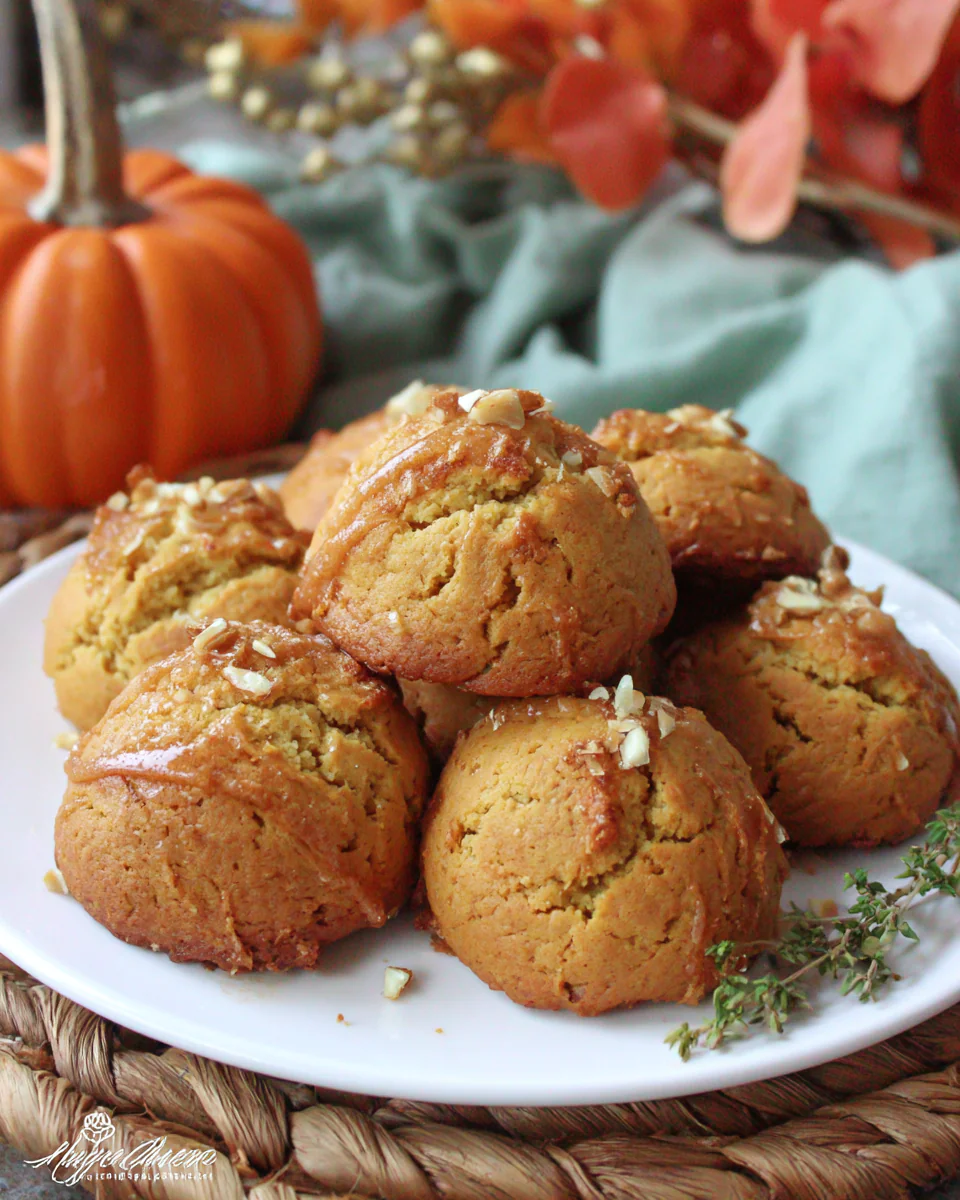
Buttery Honey Pumpkin Cookies for Cozy Fall Days
Ingredients
Method
- Preheat the oven to 350°F (175°C).
- In a large mixing bowl, cream together the softened butter and honey until light and fluffy.
- Add the pumpkin puree and continue mixing until fully incorporated.
- In another bowl, whisk together the flour, baking soda, cinnamon, nutmeg, and salt.
- Gradually mix the dry ingredients into the wet mixture until just combined.
- Fold in chopped nuts, if using.
- Scoop tablespoon-sized amounts of dough onto a parchment-lined baking sheet, leaving space between each.
- Bake for 12-15 minutes, or until the edges are lightly golden.
- Remove from the oven and allow to cool on the baking sheet for 5 minutes before transferring to a wire rack.
Tried this recipe?
Let us know how it was!Notes
Additional serving suggestions: pair with a crisp salad, garlic bread, or roasted seasonal vegetables for balance.
For make-ahead, prep components separately and assemble just before heating to preserve texture.
Taste and adjust with acid (lemon/vinegar) and salt right at the end to wake up flavors.