Introduction
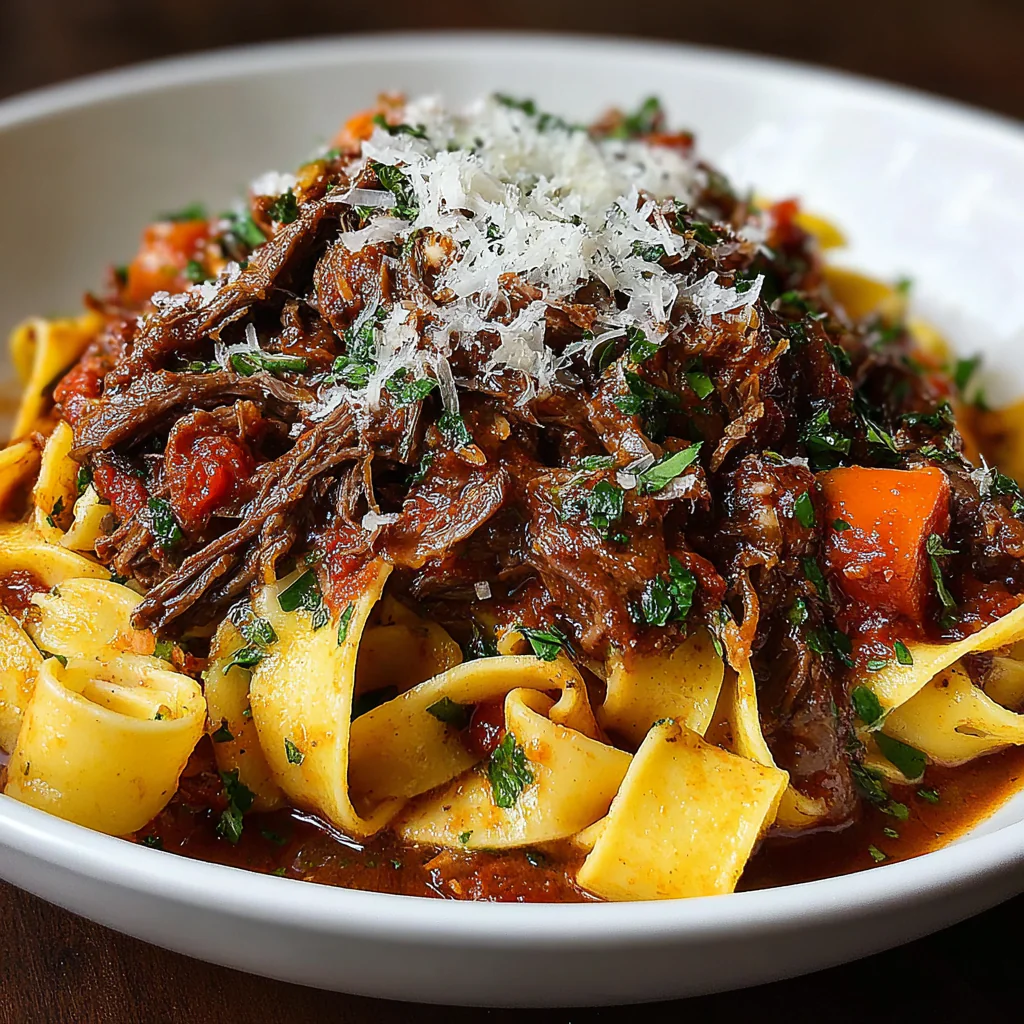
Beef ragu is an Italian classic that embodies the essence of comfort food, simmered patiently to achieve deep, layered flavors. This dish, which features tender beef alongside rich tomatoes and aromatic herbs, is a perfect meal for family gatherings, special occasions, or a cozy night in.
The beauty of beef ragu lies not only in its hearty texture but also in its ability to develop complexity through slow cooking. This recipe may take some time, but the end result is a comforting and satisfying sauce that pairs perfectly with pasta or polenta.
Ingredients
- 2 pounds of beef chuck roast, cut into 1-inch cubes
Beef chuck is flavorful and well-marbled, making it perfect for slow cooking. The fat content renders down as the beef cooks, resulting in a tender texture and rich flavor. - 2 tablespoons olive oil
Olive oil is used for searing the meat and adds a layer of flavor while allowing the vegetables to soften without burning. It also helps in building that beautiful brown crust on the beef. - 1 large onion, finely chopped
Onions serve as a foundational flavor in many dishes. When sautéed, they become sweet and caramelized, adding depth and sweetness to the ragu. - 2 carrots, finely chopped
Carrots contribute natural sweetness and color to the sauce, balancing the acidity of the tomatoes with their earthiness while enriching the overall flavor profile. - 2 stalks of celery, finely chopped
Celery adds a subtle crispness and depth. This aromatic vegetable enhances the flavor base of the ragu, complementing the sweetness of the onions and carrots. - 4 cloves garlic, minced
Garlic infuses the dish with a fragrant aroma and a robust flavor. It should be added later in the cooking process to prevent burning and bitterness. - 1 can (28 ounces) crushed tomatoes
Crushed tomatoes provide the primary sauce component and contribute acidity, which keeps the dish bright against the richness of the beef. They also help achieve the desired texture. - 1 cup beef broth
Beef broth enriches the sauce further, adding layers of umami and depth. It helps to keep the meat moist and flavorful as it simmers. - 1 teaspoon dried oregano
Dried oregano is a traditional herb in Italian cooking, lending a peppery, earthy note that complements the meat and tomatoes beautifully. - 1 teaspoon dried thyme
Thyme has an aromatic quality that enhances the dish's flavor. Its slight minty notes tie together the richness of the beef and the acidity of the tomatoes. - Salt and pepper to taste
Seasoning is crucial for a balanced flavor. Adding salt and pepper at various stages ensures the ragu is flavorful without being overwhelming. - Fresh basil for garnish
Fresh basil enhances the ragu’s presentation and adds a fresh, aromatic flavor that contrasts beautifully with the richness of the dish.
Directions & Preparation
Step 1: Sear the beef.
Begin by heating olive oil in a large pot over medium-high heat. Once hot, add the cubed beef in batches, searing until browned on all sides. This step is essential as it builds the foundational flavor of your ragu through the Maillard reaction, creating a rich crust that enhances the dish.
Step 2: Sauté the vegetables.
After browning the beef, remove it from the pot and add the chopped onions, carrots, and celery in the same oil. Sauté for about 5-7 minutes until the vegetables soften and onions become translucent. This mixture, known as soffritto, forms the base of your sauce, contributing sweetness and layers of flavor without overpowering the beef.
Step 3: Add garlic and herbs.
Stir in the minced garlic, oregano, and thyme, cooking for another minute until fragrant. Adding garlic too early can cause it to burn, leading to bitterness, so it’s important to time it ideally. This step intensifies the aromatic qualities of the dish, infusing the sauce with robust herbal notes.
Step 4: Incorporate the tomatoes.
Pour in the crushed tomatoes, stirring thoroughly to combine with the vegetable base. The acidity from the tomatoes helps to balance the richness of the beef. Bring the mixture to a simmer, allowing the flavors to meld together before proceeding.
Step 5: Deglaze with beef broth.
Add the beef broth to the pot, using a wooden spoon to scrape up any browned bits from the bottom. This deglazing step is important to capture all the flavors developed during the searing process and incorporate them into the sauce.
Step 6: Return the beef to the pot.
Add the seared beef back to the pot, stirring to evenly distribute it in the sauce. This allows the beef to absorb the flavors of the ragu as it cooks longer, ensuring tenderness and synergy among all the ingredients.
Step 7: Simmer the ragu.
Bring the pot to a gentle simmer, cover, and cook on low heat for 2.5 to 3 hours, stirring occasionally. Slow simmering is crucial for breaking down the collagen in the beef, resulting in impossibly tender meat that melts in your mouth.
Step 8: Season and serve.
Finally, taste your ragu and season with salt and pepper as needed. Serve hot over your choice of pasta or polenta, garnished with fresh basil. This final seasoning brings balance and helps highlight the flavors you've developed through the cooking process, ensuring a delicious dish.

Choosing the Right Cut of Beef
While beef chuck is the traditional choice for ragu due to its tenderness after slow cooking, cuts like brisket or short ribs can also yield excellent results. Each cut contributes a unique flavor profile and texture, making experimentation worthwhile. When selecting beef, always look for cuts with a good amount of marbling, as this fat will render during cooking, enhancing the overall richness of your ragu.
Pairing Ragu with Pasta
While ragu can be paired with various pasta, traditional options like tagliatelle or pappardelle are ideal due to their broad, flat surfaces that hold the sauce well. Alternatively, serving with creamy polenta creates an inviting presentation and offers a delightful contrast in texture. It's essential to cook your pasta al dente, as it will continue to soften when mixed with the ragu, retaining a satisfactory bite.
The Importance of Patience in Cooking
An essential aspect of preparing beef ragu is the time and patience required for the flavors to develop. This dish rewards you for the hours spent simmering; the waiting transforms simple ingredients into a complex sauce filled with depth. Rushed cooking can lead to tough meat and bland flavor, so embrace the slow cooking process, allowing the ragu to reach its full potential.
FAQs
How can I thicken the ragu if it’s too thin?
If your ragu is too thin, simmer it uncovered for an additional 20-30 minutes to allow excess liquid to evaporate. You can also mix a tablespoon of cornstarch with water and stir it in, cooking for a few more minutes until thickened.
What can I do if my ragu is too bland?
If you find your ragu lacks flavor, consider adding more salt, freshly cracked black pepper, or a splash of red wine for added depth. Allow it to simmer for a few more minutes to meld the flavors.
What if I want to add more vegetables?
Incorporating vegetables like mushrooms or bell peppers can enhance flavor and nutrition. If adding, chop them finely and sauté them with the onion, carrots, and celery to ensure they cook evenly.
Can I use ground beef instead of chunks?
Yes, you can substitute ground beef for the chuck roast, but it’s recommended to brown it first and then proceed with the recipe as written. The flavors will be slightly different, but you will still achieve a hearty sauce.
How do I know when the beef is done cooking?
The beef is cooked perfectly when it becomes fork-tender, having broken down during a long simmer. You can test it by trying to shred a piece with a fork; it should fall apart easily.
What if the sauce seems too oily?
If your ragu appears greasy, skim off some of the excess fat from the top using a spoon. This can be done before serving, ensuring a cleaner taste and texture.
Conclusion
Making beef ragu is a rewarding culinary experience that celebrates the art of slow cooking. By using quality ingredients and investing time, you’re rewarded with a sauce that’s undeniably rich and satisfying.
Embrace the process, and don’t be afraid to adapt the recipe to suit your tastes. Whether served over pasta or polenta, this dish will surely elevate your home dining experience.
Recipe Card

Dark Chocolate Raspberry Cheesecake: A Rich, Creamy Delight
Ingredients
Method
- Prepare the crust by preheating the oven to 350°F (175°C).
- In a medium bowl, combine the graham cracker crumbs and melted butter until well mixed.
- Press the crumb mixture into the bottom of a springform pan and bake for 10 minutes.
- While the crust cools, melt the dark chocolate in a microwave or double boiler until smooth.
- In a large mixing bowl, beat the softened cream cheese and sugar until light and fluffy.
- Add the melted chocolate and vanilla extract to the cream cheese mixture and mix until combined.
- Add eggs, one at a time, mixing well after each addition until fully incorporated.
- Fold in the sour cream and fresh raspberries gently using a spatula.
- Pour the mixture over the cooled crust in the springform pan and smooth the top.
- Bake in the preheated oven for 50-60 minutes or until the edges are set but the center still jiggles slightly.
- Once baked, turn off the oven and crack the door slightly, allowing the cheesecake to cool in the oven for an hour.
- After an hour, remove the cheesecake from the oven and let it cool at room temperature before refrigerating for at least 4 hours or overnight.
- Before serving, garnish with additional raspberries and a drizzle of melted chocolate if desired.
Tried this recipe?
Let us know how it was!Notes
Additional serving suggestions: pair with a crisp salad, garlic bread, or roasted seasonal vegetables for balance.
For make-ahead, prep components separately and assemble just before heating to preserve texture.
Taste and adjust with acid (lemon/vinegar) and salt right at the end to wake up flavors.