Introduction
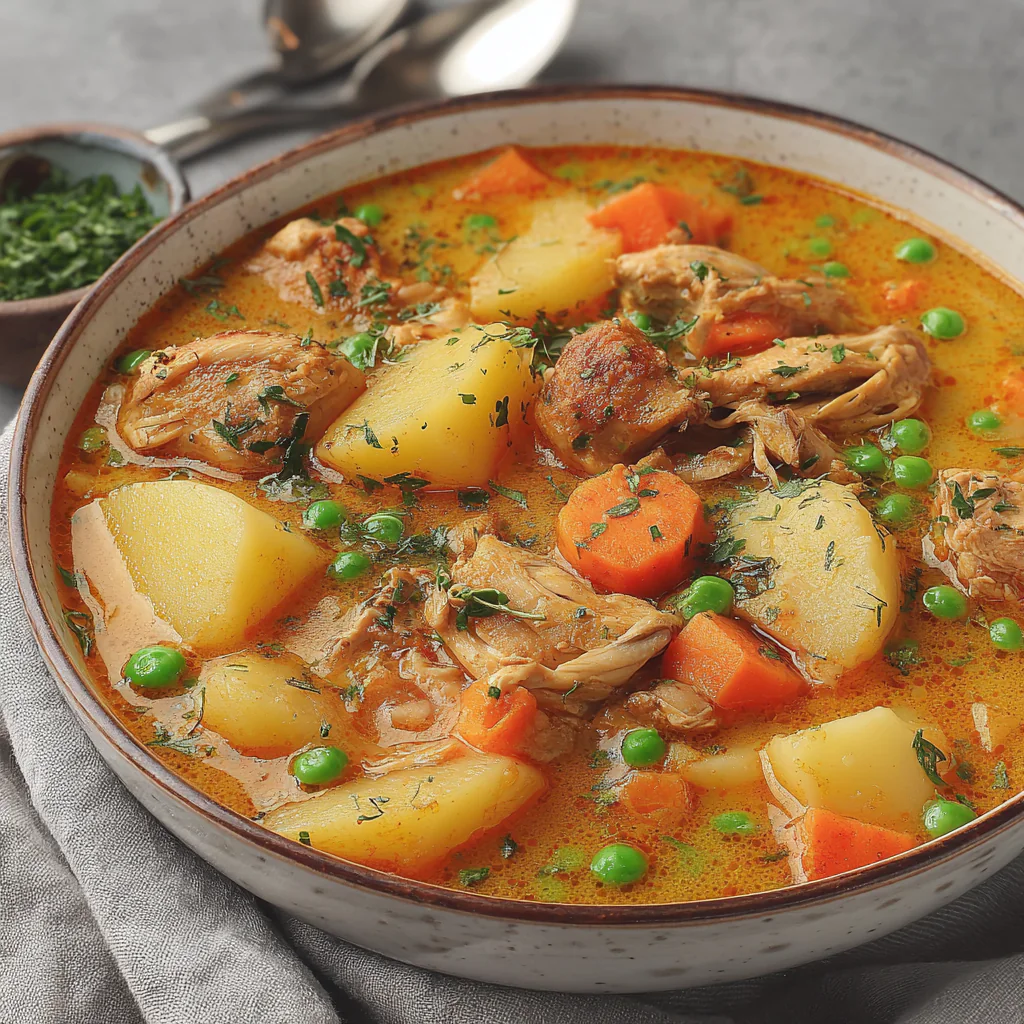
Chicken stew embodies warmth and comfort, making it an ideal dish for family gatherings or a cozy night in. Rich in flavor and nutrients, this classic recipe is versatile enough to cater to various tastes and preferences.
Creating a delicious chicken stew doesn't require culinary expertise; rather, it invites creativity through simple, wholesome ingredients. With a few fresh herbs and vegetables, you can transform basic chicken into a hearty meal that sparks joy during chilly days.
Ingredients
- 2 lbs chicken thighs, boneless and skinless
Chicken thighs are preferred for their rich flavor and tenderness compared to chicken breasts. They remain juicy throughout the cooking process, adding depth to the stew. - 4 cups chicken broth
Chicken broth acts as the base of the stew, infusing the dish with liquid gold flavor. It ensures moisture and helps in melding the flavors of all ingredients together. - 3 medium carrots, chopped
Carrots contribute natural sweetness and color to the stew. They also add texture, creating a delightful contrast to the tender chicken. - 2 stalks celery, chopped
Celery is essential for building flavor. Its crispness provides a nice crunch and balances the stew's sweetness with a slightly bitter note. - 1 medium onion, chopped
Onions form the aromatic foundation for the stew. They caramelize beautifully and deepen the overall flavor profile, enhancing the richness of the dish. - 3 cloves garlic, minced
Garlic infuses the stew with its distinctive aroma and flavor. It adds an extra layer of complexity that complements the other ingredients. - 2 medium potatoes, diced
Potatoes are a hearty addition, absorbing flavors while adding creaminess as they cook. They help to thicken the stew and offer satisfaction. - 1 teaspoon dried thyme
Thyme is a classic herb that pairs beautifully with chicken. It adds an earthy aroma and enhances the savory depth of the stew. - 1 bay leaf
A bay leaf imparts subtle flavor, facilitating a hint of herbal essence without being overpowering. Remove it before serving to avoid any mistakes. - Salt and pepper to taste
Seasoning is essential for extracting and enhancing all the flavors in the stew. Adjusting salt and pepper at the end helps balance the dish. - 2 tablespoons olive oil
Olive oil is used for browning the chicken and sautéing the vegetables. It adds richness and ensures nothing sticks during cooking. - 1 cup frozen peas (optional)
Peas add a pop of color and sweetness. They should be added towards the end of cooking for optimal texture and brightness.
Directions & Preparation
Step 1: Heat olive oil in a large pot over medium heat.
Heating the olive oil properly is crucial for browning the chicken evenly. This step not only creates a nice crust but also enhances flavors through the Maillard reaction.
Step 2: Add chicken thighs, seasoning with salt and pepper.
Browning chicken thighs enhances their flavor profile, giving a delicious sear that contributes to the overall taste. Be cautious not to overcrowd the pot; cook in batches if necessary.
Step 3: Remove the chicken and set it aside, then add onion, garlic, celery, and carrots to the pot.
Sautéing these aromatics softens them and unfolds their natural sweetness and flavor, which will serve as the base for the stew. Stir occasionally to prevent sticking.
Step 4: Stir in diced potatoes and thyme, followed by the chicken broth.
Adding potatoes at this stage ensures they absorb flavors while cooking. The thyme will infuse the broth, enhancing the stew's aroma and richness.
Step 5: Return the chicken to the pot, add the bay leaf, and bring to a simmer.
This allows the chicken to cook through while imparting its juices into the stew. Bringing it to a simmer is key in developing a flavorful broth.
Step 6: Cover and let the stew simmer for about 30-40 minutes, or until the chicken is tender.
Simmering allows flavors to meld harmoniously. The chicken will become tender and easy to shred, contributing to a hearty texture throughout the stew.
Step 7: In the last 10 minutes of cooking, stir in the frozen peas.
Adding peas towards the end preserves their bright color and snap. They won't be mushy and will add a fresh sweetness to the stew.
Step 8: Taste and adjust seasoning before serving, removing the bay leaf.
Adjusting seasoning at the end ensures the best balance of flavors. Removing the bay leaf is essential, as it can be tough and inedible.

Exploring Flavor Depths with Aromatics
Aromatics are the unsung heroes of any stew. The combination of onions, garlic, carrots, and celery builds an exquisite base layer of flavor. Their natural sugars caramelize during cooking, adding a sweetness and complexity that elevate the dish from simple to divine.
Choosing Vegetables for Texture and Flavor
Selecting vegetables for your stew impacts the final texture and taste immensely. Potatoes provide heartiness, while carrots add sweetness and color contrast. Including a variety of textures, from crisp celery to tender peas, keeps each spoonful exciting and fulfilling.
Customizing Chicken Stew to Your Liking
Chicken stew is wonderfully adaptable. Whether you prefer extra zing with the addition of lemon juice or a touch of heat with chili flakes, personalizing your stew can create unique flavor profiles. Consider adding seasonal veggies or herbs for an ever-changing dish that mirrors your pantry.
FAQs
What should I do if the stew comes out too thick?
If your stew is too thick, gradually add more chicken broth or water until the desired consistency is reached. Stir well to combine, allowing the flavors to meld.
How can I prevent the chicken from becoming overcooked?
To avoid overcooking the chicken, monitor the simmering time carefully and check for doneness around the 30-minute mark. Remove the chicken if it's tender and set it aside to shred before adding it back.
Is it possible to use other proteins in this stew?
Certainly! You can substitute chicken with other proteins such as turkey or even diced beef or pork. Adjust cooking times accordingly to ensure proper doneness.
What if I want to add more vegetables?
Feel free to incorporate additional vegetables like bell peppers, mushrooms, or green beans. Just be mindful of their cooking times to maintain the right texture.
Can I make this stew spicy?
To add a kick, include red pepper flakes, diced jalapeños, or a splash of hot sauce during cooking. Adjust the level of spiciness based on your preference.
How can I enhance the overall flavor of this stew?
Incorporate a splash of white wine or sherry during the sauté stage to deepen the flavor. A little bit of acidity can elevate the overall taste profile.
Conclusion
Chicken stew is a timeless dish that nourishes both body and soul. With its abundance of flavors and comforting nature, it invites everyone to gather around the table.
Once you master the basics, the possibilities are endless; experiment with your favorite ingredients to create your version of this soul-soothing classic.
Recipe Card
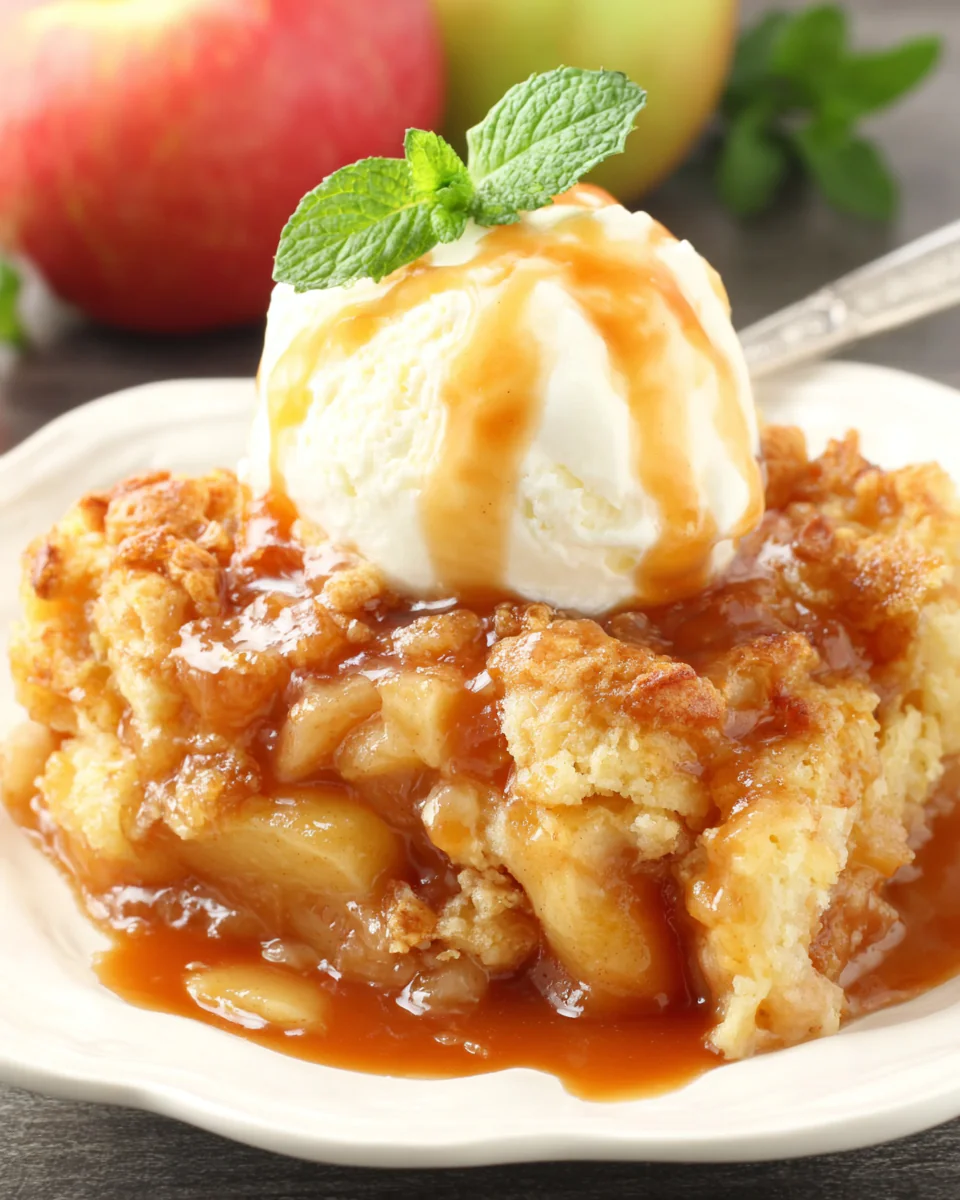
Easy Apple Cobbler for a Quick and Delicious Treat
Ingredients
Method
- Preheat your oven to 350°F (175°C).
- Prepare the apples: Peel, core, and slice the apples, then toss them with sugar, lemon juice, and cinnamon.
- Spread the apple mixture evenly into a greased baking dish.
- In a separate bowl, whisk together flour, baking powder, salt, melted butter, and milk to create the batter.
- Pour the batter over the apples, spreading it out gently.
- Bake for 40-45 minutes, or until the topping is golden brown and a toothpick inserted into the center comes out clean.
- Let cool for at least 10 minutes before serving.
- Serve warm with vanilla ice cream or whipped cream if desired.
Tried this recipe?
Let us know how it was!Notes
Additional serving suggestions: pair with a crisp salad, garlic bread, or roasted seasonal vegetables for balance.
For make-ahead, prep components separately and assemble just before heating to preserve texture.
Taste and adjust with acid (lemon/vinegar) and salt right at the end to wake up flavors.