Introduction
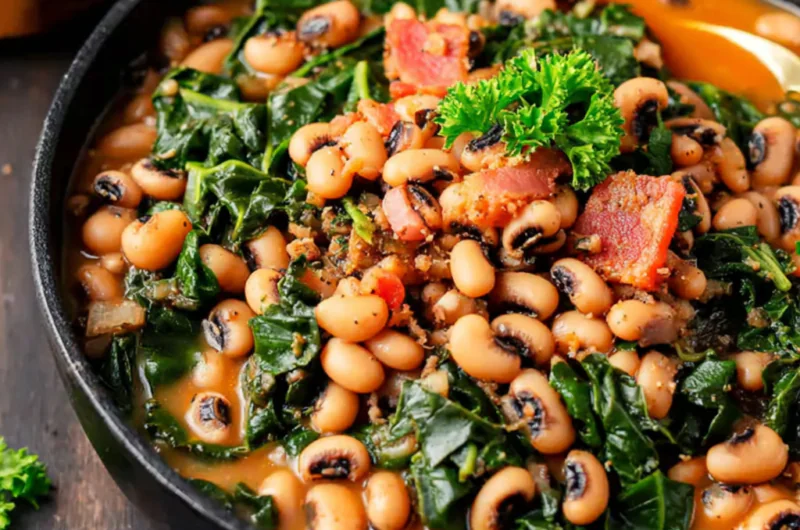
Black eyed peas are a staple in Southern cuisine, rich in flavor and deeply rooted in tradition. Often enjoyed on New Year's Day for good luck, they have become a beloved dish year-round, showcasing versatility and comfort. Cooking them brings warmth to the kitchen and heart, as these legumes transform into a hearty meal full of nutrients.
Whether served on their own or as a side, black-eyed peas can capture the essence of Southern cooking when prepared thoughtfully. With a few carefully chosen ingredients, this dish offers a delightful balance of earthy flavors and satisfying textures, making it a must-try for home cooks. Let’s dive into the elements that create this classic dish.
Ingredients
- 1 pound dried black-eyed peas
Dried black-eyed peas are the star of this dish. They offer a nutty flavor and creamy texture once cooked, acting as the base for flavorful additions. Soaking them beforehand helps to reduce cooking time and improves digestibility. - 4 cups chicken or vegetable broth
The broth enriches the peas with a savory depth that enhances the overall flavor profile. Using broth instead of water adds more complexity, infusing the peas as they simmer. - 1 medium onion, diced
Onions provide a foundational aromatic quality, introducing sweetness and depth to the dish. Cooking them until soft releases their natural sugars and flavors, elevating the soup base. - 2 cloves garlic, minced
Garlic adds a bold, pungent flavor that complements the peas well. Its richness becomes more pronounced during cooking, contributing to the aromatic experience of the dish. - 1 teaspoon smoked paprika
Smoked paprika introduces a subtle smokiness that enhances the earthiness of the black-eyed peas. It's a crucial ingredient that adds a warm, complex flavor without being overpowering. - 1 bay leaf
The bay leaf infuses the dish with a herbal note that brightens the flavors during cooking. It’s important to remove it afterward, as it’s not edible. - Salt and pepper to taste
Proper seasoning is essential to bring out the natural flavors of the ingredients. Adding salt selectively can enhance all other elements in the dish. - 2 tablespoons olive oil
Olive oil is used to sauté the onions and garlic, providing a rich base for the dish. Its healthy fats help in extracting flavors from the vegetables.
Directions & Preparation
Step 1: Soak the black-eyed peas overnight or for at least 6 hours.
Soaking the peas helps to soften them, reducing overall cooking time. This process also aids in improving digestibility, preventing cooking issues such as split peas or unevenly cooked batches.
Step 2: Drain and rinse the soaked peas.
Draining and rinsing the peas removes any impurities and excess sugars that can lead to a foamy broth during cooking. This step is crucial for achieving a clear and clean broth.
Step 3: In a large pot, heat the olive oil over medium heat.
Heating the oil before adding the vegetables helps to ensure that they sauté correctly, resulting in properly caramelized onions and garlic. This builds a flavor foundation for the dish.
Step 4: Add the diced onion and sauté until translucent, about 5 minutes.
Sautéing the onions until they become translucent releases their natural sweetness and brings out their flavor. Skipping this step can result in a less flavorful dish.
Step 5: Stir in the minced garlic and cook for an additional minute.
Cooking garlic until fragrant before adding other ingredients helps to mellow its sharpness, making your dish more balanced. Garlic can burn quickly, so this step is vital.
Step 6: Add the soaked peas, broth, smoked paprika, bay leaf, salt, and pepper to the pot.
Adding all these ingredients at once helps the flavors meld effectively as the peas cook. It's essential to stir everything together to ensure even seasoning and distribution.
Step 7: Bring the mixture to a boil, then reduce the heat and simmer for 30–40 minutes, or until the peas are tender.
Simmering allows the flavors to develop gradually. Keeping a close eye as the peas cook ensures they reach the right tenderness without becoming mushy.
Step 8: Taste and adjust seasoning as necessary, removing the bay leaf before serving.
Tuning the flavors to your liking at the end is essential. The bay leaf must be removed, as it’s not meant to be eaten, ensuring a pleasant dining experience.

Choosing the Right Peas
When selecting black-eyed peas, quality and freshness are paramount. Dried peas should be whole, firm, and free from discoloration. If you notice any packaging with broken pieces or an off smell, it's best to steer clear. While canned options exist, using dried peas offers superior flavor and texture. They also allow for enhanced control over your cooking process.
Flavors That Complement
Black-eyed peas are versatile and can be enriched with various ingredients. Consider adding diced carrots or celery for added sweetness and crunch. A splash of vinegar or hot sauce can elevate the flavors further, contributing a tangy brightness or heat. Experimenting with fresh herbs like thyme or parsley right before serving can add a fresh touch.
Serving Suggestions
These black-eyed peas can stand alone as a dish or pair beautifully with cornbread or collard greens. Their creamy texture makes them a fantastic dip for cornbread, while collard greens introduce a fantastic contrast in flavor. Whether as a main dish or a side, finding the perfect accompaniments enhances the meal, originally rooted in Southern tradition.
FAQs
What can I do if the black-eyed peas turn out too thick?
If your dish is thicker than desired, adding more broth or water while simmering can help achieve your preferred consistency without compromising flavor.
How can I adjust the spiciness in the dish?
To adjust the spiciness, you can add more or less paprika, or even substitute it with a milder spice. Freshly chopped jalapeños can also introduce desired heat.
What if my dish tastes bland after cooking?
If the dish lacks flavor, try adding more salt or spices. A splash of vinegar can brighten the dish, highlighting its flavors and providing balance.
Can I make a vegetarian version?
Absolutely! Using vegetable broth in place of chicken broth retains flavor while keeping the dish vegetarian. You can also add more vegetables for complexity.
Is there a way to quick soak the black-eyed peas?
Yes! You can quick-soak by boiling the peas in water for 2-3 minutes, then removing them from heat and letting them sit for about an hour before continuing the recipe.
What type of broth is best for this recipe?
Chicken broth enhances the flavor profile significantly, but a well-seasoned vegetable broth can work wonderfully for a lighter or vegetarian version.
Conclusion
Making black-eyed peas from scratch connects you to the heart of Southern cooking, rich with history and flavor. With a few simple ingredients and thoughtful preparation, they can be transformed into a comforting meal worth sharing with family and friends.
As you enjoy this dish, consider the cultural significance behind it—a dish of luck and prosperity, perfect for any occasion. So embrace the flavors and warmth of Southern black-eyed peas in your own kitchen.
Recipe Card
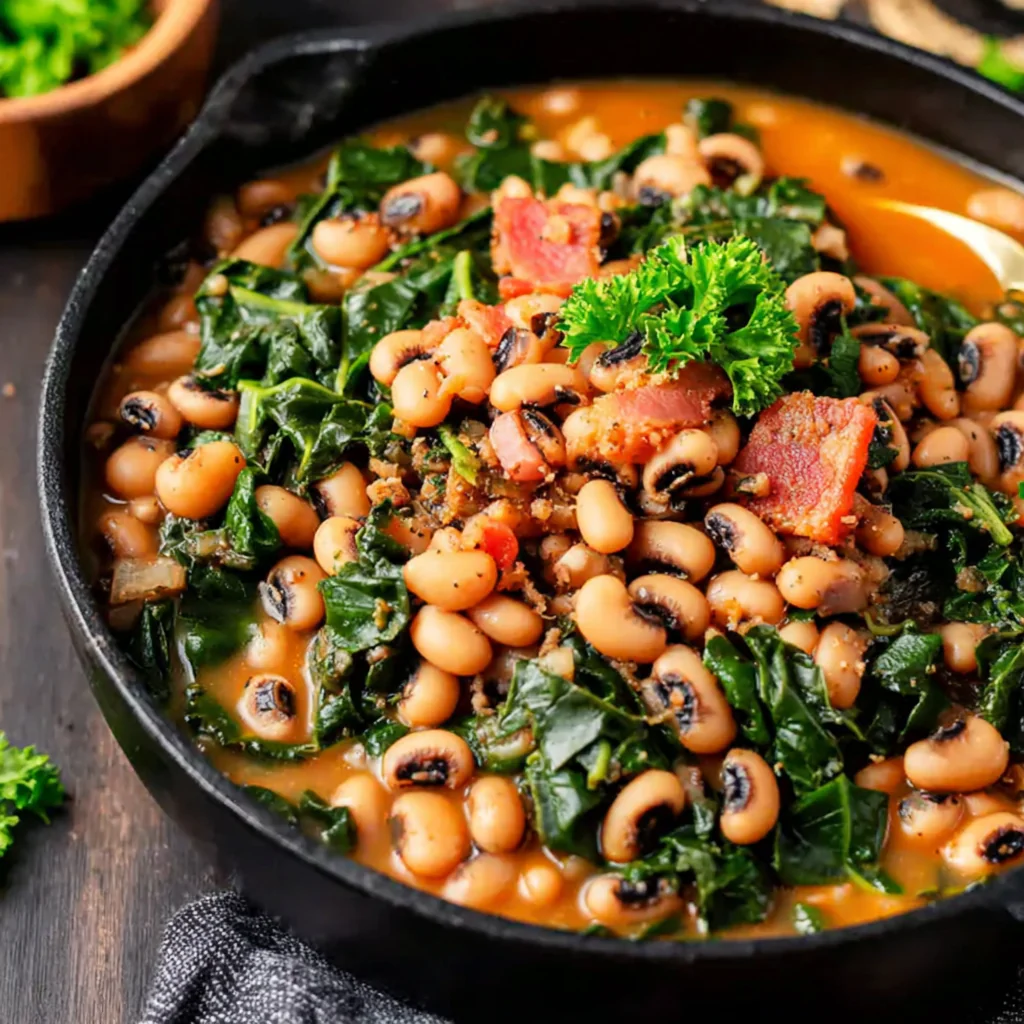
Delicious Southern Black Eyed Peas Recipe Worth Trying
Ingredients
Method
- Soak the black-eyed peas overnight or for at least 6 hours.
- Drain and rinse the soaked peas.
- In a large pot, heat the olive oil over medium heat.
- Add the diced onion and sauté until translucent, about 5 minutes.
- Stir in the minced garlic and cook for an additional minute.
- Add the soaked peas, broth, smoked paprika, bay leaf, salt, and pepper to the pot.
- Bring the mixture to a boil, then reduce the heat and simmer for 30–40 minutes, or until the peas are tender.
- Taste and adjust seasoning as necessary, removing the bay leaf before serving.
Tried this recipe?
Let us know how it was!Notes
Additional serving suggestions: pair with a crisp salad, garlic bread, or roasted seasonal vegetables for balance.
For make-ahead, prep components separately and assemble just before heating to preserve texture.
Taste and adjust with acid (lemon/vinegar) and salt right at the end to wake up flavors.