Introduction
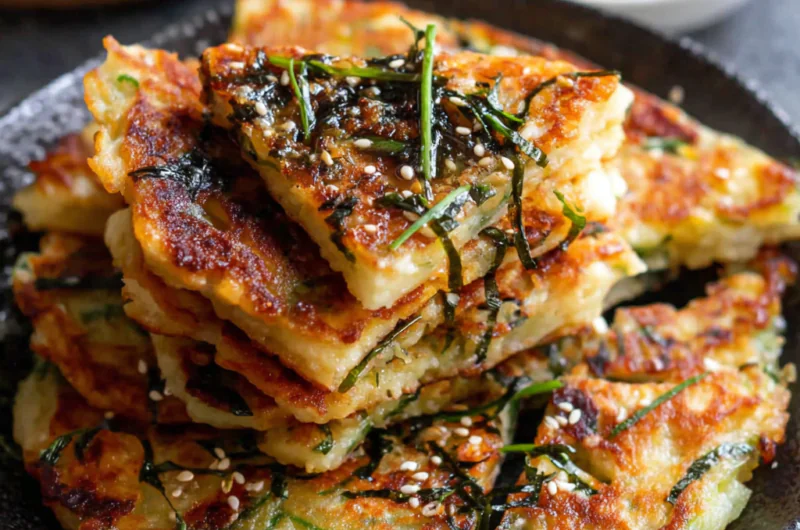
Korean pancakes, known as pajeon, are a savory delight enjoyed by many around the world. Their crispy exterior and soft interior combine with a medley of fresh ingredients, creating a dish that is both satisfying and versatile. Perfect as a snack, appetizer, or main course, pajeon can easily adapt to whatever ingredients you have on hand.
The beauty of pajeon lies in its simplicity and the way it captures the essence of Korean cuisine. With a few essential ingredients and a bit of technique, anyone can master this dish. Let’s dive deep into making these delightful pancakes that are sure to impress your family and friends.
Ingredients
- 1 cup all-purpose flour
The flour serves as the base for the batter, providing structure and stability. It allows the pancake to hold together and gives a satisfying chewiness while maintaining a crispy exterior. - 1/2 cup water
Water hydrates the flour, creating a batter that is both light and pliable. The right amount of water is crucial for the desired pancake texture; too much will make them flimsy, while too little can lead to a dense pancake. - 2 large eggs
Eggs add richness and help to bind the other ingredients together. They also contribute to the overall flavor and provide a lovely golden color when cooked. - 1 cup green onions, chopped
Green onions are the star ingredient in pajeon, adding a fresh, vibrant flavor and a satisfying crunch. They also contribute to the pancake's distinct aroma that's characteristic of Korean cuisine. - 1/2 cup kimchi, chopped (optional)
Incorporating kimchi adds a spicy, tangy kick to the pancakes, enhancing their flavor profile. Kimchi also introduces a fermentative element that brings depth and complexity to the dish. - Salt to taste
Salt enhances the overall flavor of the pancakes, balancing the richness of the eggs and the sweetness of the onions. Proper seasoning is key to bringing out the best in the ingredients. - Vegetable oil for frying
The oil is essential for achieving a crispy and golden-brown exterior. Using enough oil creates a frying environment that helps the batter cook evenly and prevents sticking to the pan.
Directions & Preparation
Step 1: In a mixing bowl, combine the flour and water until smooth.
Start by mixing the flour with water to create the batter base. It's important that the batter is well-combined without lumps, as a smooth mixture contributes to the even cooking and texture of the pancakes. Adjust the water as needed; the batter should be slightly thick but pourable.
Step 2: Add the eggs to the batter and stir until fully incorporated.
Incorporating the eggs at this stage adds richness and binds the mixture. The eggs also lend a beautiful color and additional protein to the pancakes, making them heartier. Ensure that the eggs are whisked in completely to avoid having patches of uncooked egg.
Step 3: Fold in the chopped green onions and kimchi (if using).
Green onions are essential for authentic flavor in pajeon, while optional kimchi adds that delightful tang and spice. Gently folding in these ingredients ensures they are evenly distributed throughout the batter, which is crucial for balanced flavor.
Step 4: Season the batter with salt to taste, mixing thoroughly.
Salt is a key component that enhances the flavors of the other ingredients. Taste the batter after adding salt, as the amount can vary based on personal preference and the saltiness of any added ingredients like kimchi.
Step 5: Heat a large non-stick skillet over medium heat and add vegetable oil.
Heating the skillet before adding oil ensures that the pancakes don't stick and helps in achieving that crispy texture we desire. The oil should shimmer but not smoke; adjust the heat as needed.
Step 6: Pour a portion of the batter into the skillet, spreading it evenly.
When pouring the batter, you can adjust the size of the pancakes based on preference. Spreading the batter evenly ensures even cooking and a uniform texture. Avoid overcrowding the pan, as it can make flipping difficult.
Step 7: Cook until the edges are crispy and the top bubbles, then flip carefully.
This step is crucial for achieving a golden-brown surface. Allowing the edges to become crispy while bubbles form on top indicates that the pancake is ready to flip. Use a spatula to lift and flip gently to prevent breaking.
Step 8: Cook the second side until golden brown, then remove from the skillet.
The second side requires less time; monitoring it closely will prevent overcooking. Once both sides are golden and crispy, it's time to remove the pancake from the skillet. Letting it rest briefly on a paper towel can help absorb excess oil.
Step 9: Repeat the cooking process with the remaining batter, adding more oil as needed.
Replenishing the oil between batches ensures that each pancake gets that desirable crispiness. It’s best to maintain the temperature; if the pan gets too hot, reduce the heat to avoid burning the pancakes.
Step 10: Serve the pancakes hot with dipping sauce of choice.
Pajeon is best enjoyed fresh off the skillet, served hot. A simple dipping sauce made from soy sauce, vinegar, and sesame oil elevates the experience, complementing the flavors of the pancakes while adding an extra layer of taste.

Variations to Elevate Your Pajeon Experience
While the traditional green onion pajeon is delightful on its own, experimenting with ingredients can bring new flavors and textures to the table. Consider adding seafood like shrimp or squid for a marine twist, or incorporating vegetables like zucchini and carrots for added nutrients and color. Each variation showcases the versatility of this dish while maintaining the essence of Korean pancakes.
The Perfect Dipping Sauce: A Must-Try
A well-made dipping sauce can transform your pajeon experience from delicious to unforgettable. Combine soy sauce with a splash of rice vinegar, a drizzle of sesame oil, and a sprinkle of gochugaru for warmth. Chopped garlic and green onion can be added for depth. This sauce not only complements the pancakes but also enhances their fresh ingredients, creating a perfect balance of flavor.
Making Pajeon Gluten-Free
Those with gluten sensitivities need not miss out on the joy of pajeon. By substituting all-purpose flour with a gluten-free blend or rice flour, you can achieve a similar texture while ensuring the dish is safe to enjoy. Adjusting the liquid content may be necessary, so start with a smaller amount of water and gradually add until reaching the desired consistency.
FAQs
What can I do if my pajeon batter is too thick?
If your batter is too thick, gradually add small amounts of water until it reaches a pourable consistency. The batter should be thick enough to hold together but still able to spread easily in the pan.
What if my pajeon turns out bland?
If your pajeon lacks flavor, consider adjusting your seasoning. Adding more salt or incorporating additional ingredients such as kimchi or herbs can enhance the overall taste and balance the pancake.
Can I use other vegetables besides green onions?
Absolutely! While green onions are traditional, you can incorporate other vegetables like bell peppers, mushrooms, or even grated carrots, adding variety and color to your dish.
What should I do if my pancakes are overcooked?
If you find your pancakes are overcooked, reduce the cooking time on the next batch. Ensure your skillet isn't too hot, which can lead to a burnt exterior before the inside is fully cooked.
How can I adjust the recipe for a larger crowd?
To serve more people, simply double or triple the recipe. Make sure to adjust the cooking time and portion sizes appropriately and keep the pancakes warm in an oven while finishing the rest.
What if I want to avoid using eggs?
You can replace eggs with a flaxseed meal or a commercial egg replacer for a vegan option. This substitution will help bind the ingredients without sacrificing texture.
Conclusion
Korean pancakes, or pajeon, offer a delightful culinary experience that is both satisfying and customizable. With fresh ingredients and a simple batter, you can create a dish that resonates with home-cooked warmth and joy.
Next time you're craving something savory, consider whipping up a batch of these delicious pancakes. Gather your ingredients, invite some friends over, and enjoy the delightful flavors of Korea right in your kitchen.
Recipe Card
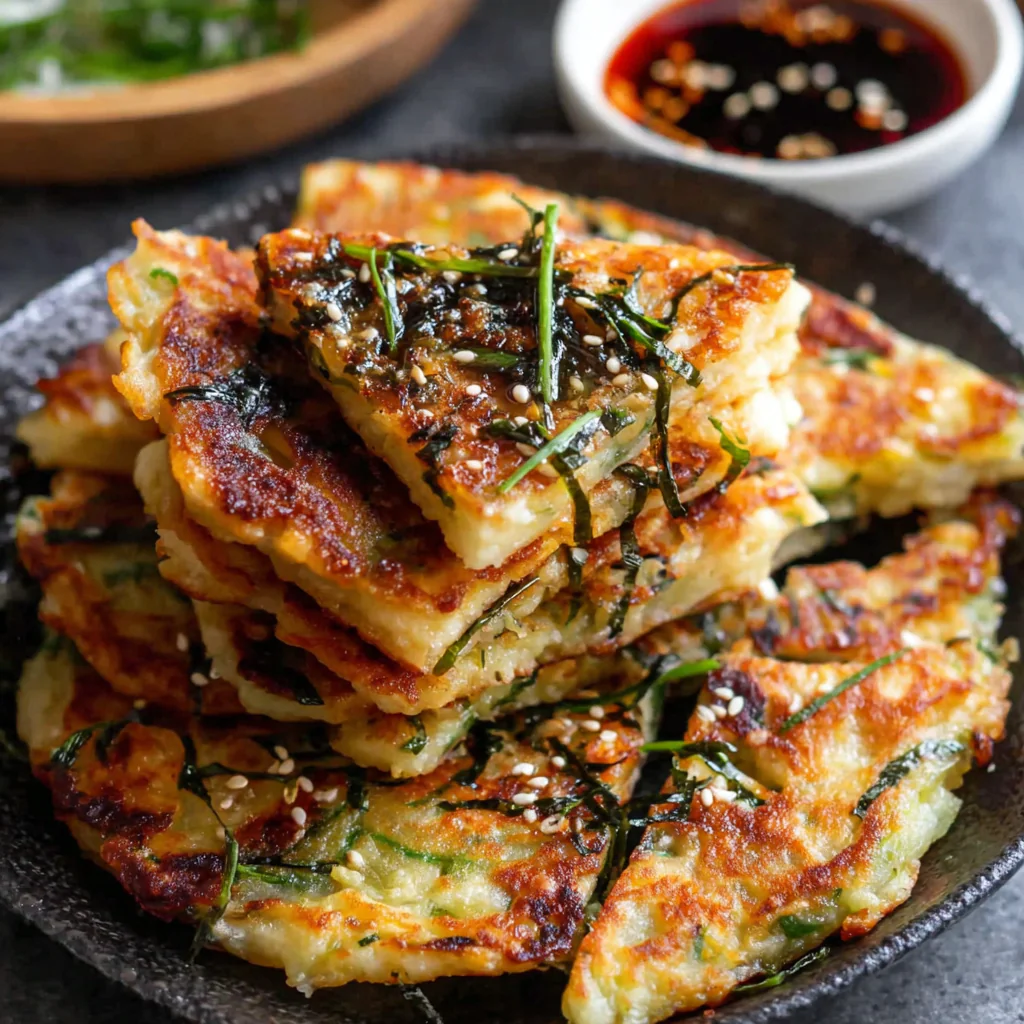
Discover Authentic Korean Pancakes (Pajeon) at Home
Ingredients
Method
- In a mixing bowl, combine the flour and water until smooth.
- Add the eggs to the batter and stir until fully incorporated.
- Fold in the chopped green onions and kimchi (if using).
- Season the batter with salt to taste, mixing thoroughly.
- Heat a large non-stick skillet over medium heat and add vegetable oil.
- Pour a portion of the batter into the skillet, spreading it evenly.
- Cook until the edges are crispy and the top bubbles, then flip carefully.
- Cook the second side until golden brown, then remove from the skillet.
- Repeat the cooking process with the remaining batter, adding more oil as needed.
- Serve the pancakes hot with dipping sauce of choice.
Tried this recipe?
Let us know how it was!Notes
Additional serving suggestions: pair with a crisp salad, garlic bread, or roasted seasonal vegetables for balance.
For make-ahead, prep components separately and assemble just before heating to preserve texture.
Taste and adjust with acid (lemon/vinegar) and salt right at the end to wake up flavors.