Introduction
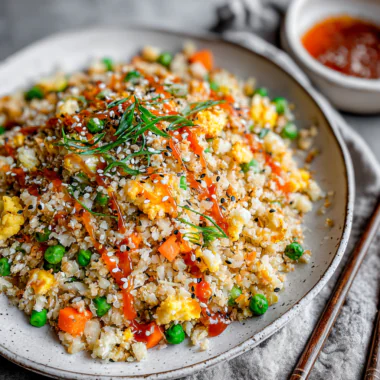
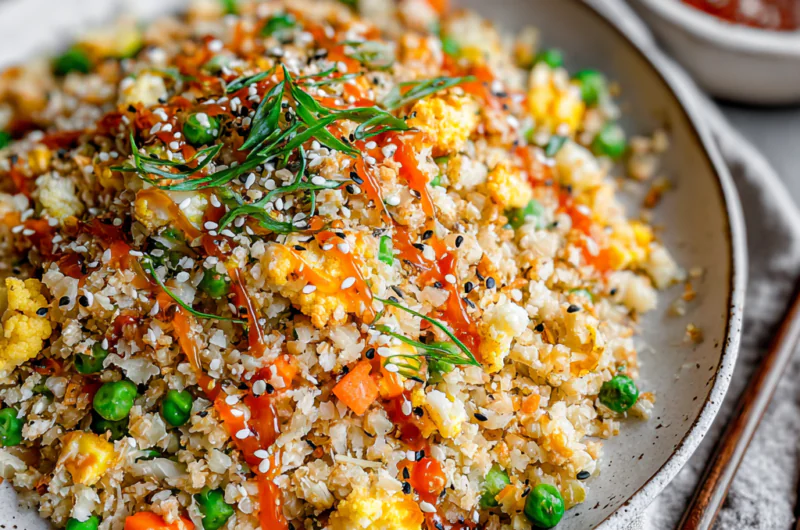
Cauliflower Fried Rice presents a delightful, low-carb reimagining of the classic takeout staple, offering all the comforting savory and umami flavors without the traditional grain. This healthy alternative is perfect for those seeking to reduce carbohydrate intake, increase vegetable consumption, or adhere to specific dietary needs like gluten-free or keto-friendly regimens. Its inherent versatility allows for quick customization, making it an ideal choice for a nutritious weeknight meal or an impressive side dish.
Crafting this dish involves transforming fresh cauliflower into distinct, tender-crisp grains, often utilizing a food processor, then expertly stir-frying it with a vibrant medley of aromatics such as garlic, ginger, and scallions. Scrambled eggs and colorful vegetables like peas and carrots are integrated, all brought together by a balanced sauce featuring soy sauce, mirin, and aromatic sesame oil. Mastering key techniques, particularly moisture management, is crucial for achieving the desired texture and a truly satisfying, flavorful experience that rivals its conventional counterpart.
Ingredients
Crafting authentic-tasting Cauliflower Fried Rice begins with selecting quality ingredients that collectively build a complex flavor profile while maintaining its low-carb integrity. The foundation relies on properly prepared cauliflower, whether freshly riced or convenient pre-packaged options, ensuring a tender-crisp texture free from excess moisture. Aromatic elements like garlic, ginger, and scallions are crucial, providing the fragrant base that defines classic fried rice.
The dish’s signature savory and umami notes are developed through a balanced blend of soy sauce (or gluten-free Tamari), often complemented by a touch of mirin for subtle sweetness and depth. Eggs contribute richness and protein, while a medley of vibrant vegetables like peas and carrots adds color and satisfying chew. For elevated flavor and textural contrast, consider incorporating crispy fried shallots, utilizing their infused oil to deepen the overall taste.
- Cauliflower: The essential low-carb base, providing a rice-like texture when finely processed. Opt for a fresh head for optimal texture, ensuring excess moisture is removed, or use convenient pre-riced varieties.
- Neutral Oil: Such as vegetable or avocado oil, vital for high-heat stir-frying and sautéing aromatics without imparting its own strong flavor.
- Sesame Oil: A finishing oil that delivers a distinctive nutty aroma and deep, authentic Asian flavor, crucial for the classic fried rice profile.
- Eggs: Whisked and scrambled, they add protein, richness, and a soft, binding texture throughout the dish.
- Aromatics (Garlic, Fresh Ginger, Scallions/Green Onions): These form the fragrant backbone, infusing the dish with pungent, spicy, and sharp notes that are fundamental to its savory character.
- Shallots: (Optional, but highly recommended for advanced flavor) Thinly sliced and fried until crisp, they offer a sweet, savory crunch and their infused oil provides a rich, caramelized base for cooking.
- Soy Sauce (or Tamari): The primary seasoning, delivering essential umami, saltiness, and a savory depth. Low-sodium or gluten-free Tamari are excellent choices for dietary considerations.
- Mirin: (Optional, for enhanced flavor) A sweet Japanese rice wine that balances the savory soy sauce with subtle sweetness and acidity, contributing to a more nuanced flavor profile.
- Granulated Sugar: A small amount helps to round out the flavors, enhancing the sweetness and balancing the saltiness of the soy sauce.
- Rice Vinegar: Adds a bright, tangy counterpoint, cutting through the richness and lifting the overall flavor.
- Mixed Vegetables (Peas, Carrots, Edamame, Bell Peppers): Provide vibrant color, essential nutrients, and varied textures, from tender-crisp to chewy, enhancing the dish’s appeal.
- Salt and Black Pepper: Fundamental seasonings to adjust and amplify the natural flavors of all components to taste.
- Crushed Red Pepper Flakes (or Sriracha/Crispy Chili Oil): (Optional) For those desiring a spicy kick, adding warmth and complexity.
- Optional Proteins (Chicken, Shrimp, Pork, Tofu): Transform the dish into a heartier main course, adding substantial protein and diverse textures.
- Optional Garnishes/Toppings (Sesame Seeds, Cashews/Peanuts): Offer a final touch of visual appeal, nutty flavor, and satisfying crunch.
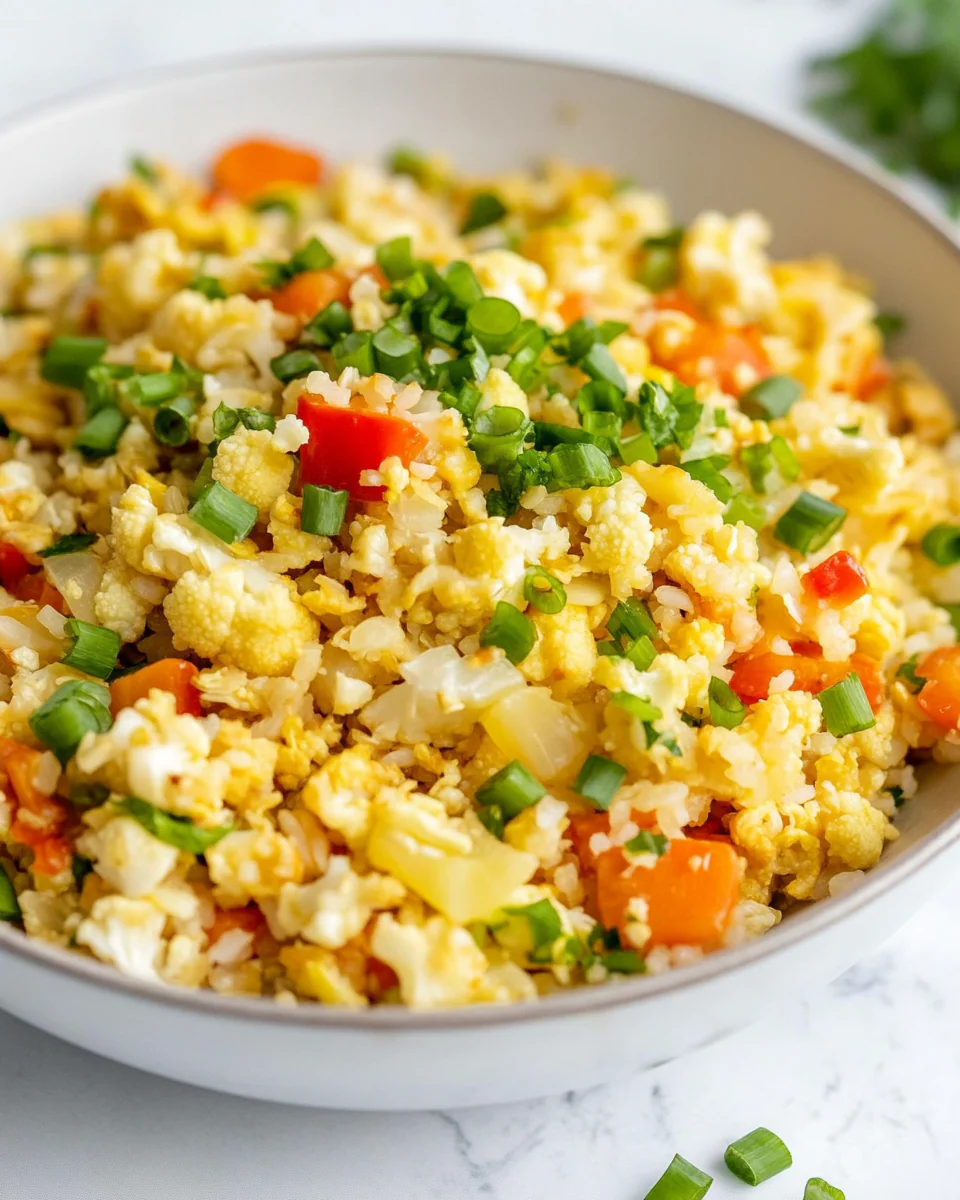
Cauliflower Fried Rice – ingredients | momycooks.com
Step-by-Step Instructions
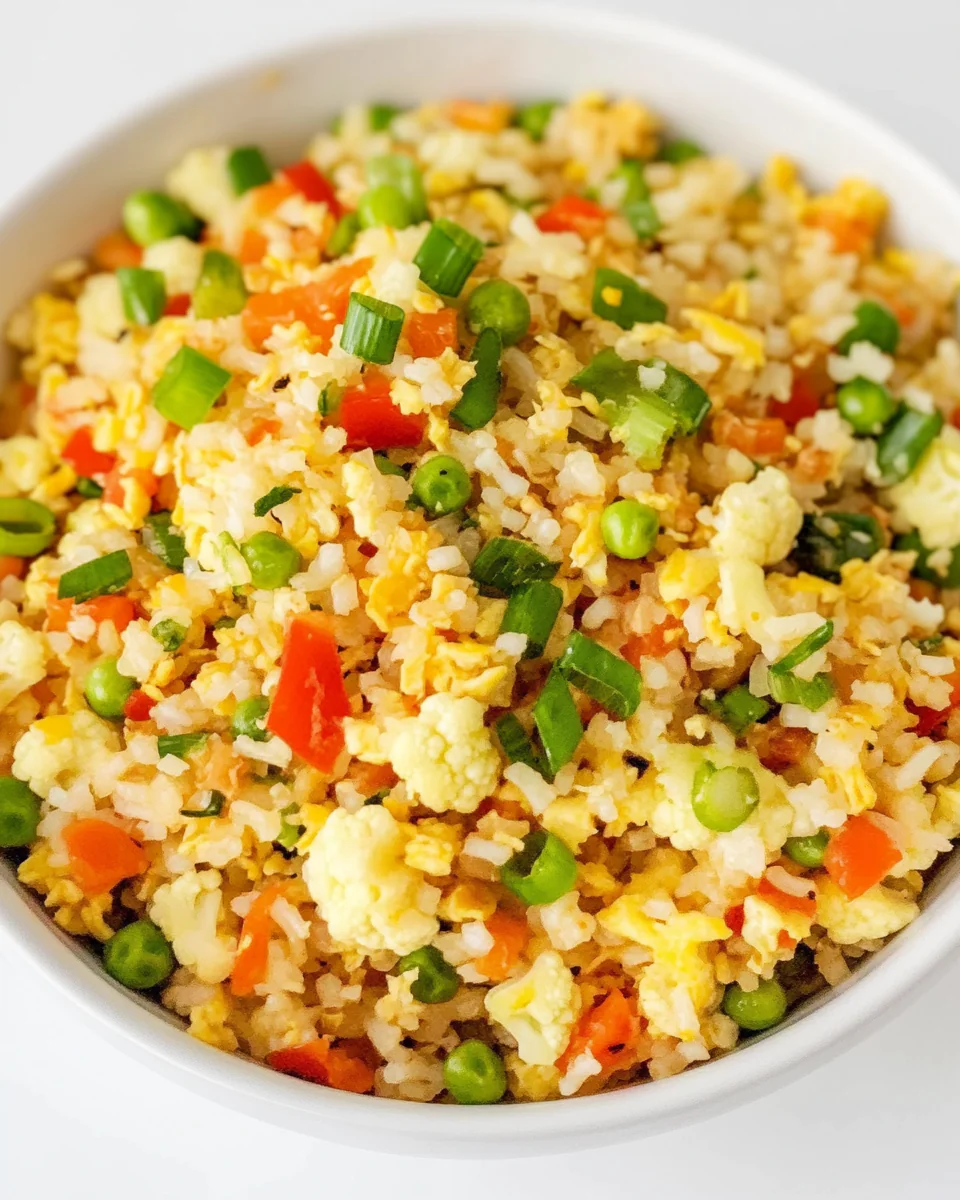
Cauliflower Fried Rice – steps | momycooks.com
Ingredient Substitutions & Variations
Cauliflower Fried Rice offers a highly adaptable canvas for diverse culinary preferences, allowing for significant customization beyond its core low-carb appeal. Elevating the dish’s inherent savory and umami notes, while balancing sweetness and aromatic depth, is key to achieving a truly satisfying experience. Strategic ingredient substitutions and additions can transform the flavor profile, accommodate various dietary needs, and proactively address common challenges like blandness or textural inconsistencies, ensuring a vibrant and flavorful outcome.
- Protein Integration: For a heartier meal, incorporate diced chicken, shrimp, pork, or firm tofu. Cook proteins separately until done, then reintroduce them during the final stir-fry phase to ensure even cooking and prevent overcrowding the pan.
- Enhanced Umami & Spice: Deepen the flavor with a dash of mushroom powder or a teaspoon of fermented black bean paste for authentic umami. For a spicy kick, beyond red pepper flakes, consider a drizzle of crispy chili oil or a pinch of gochugaru, adjusting to taste.
- Vegetable Diversity: Expand beyond peas and carrots by adding bell peppers, edamame, sliced mushrooms, or broccoli florets. Introduce denser vegetables earlier to ensure tender-crisp texture, while quick-cooking greens like spinach can be stirred in at the very end.
- Dietary Specifics: For a strictly keto or Whole30 compliant version, ensure all sauces are sugar-free and soy-free (using coconut aminos), and omit any added sugars or mirin. For a vegan preparation, substitute eggs with a plant-based egg alternative or increase the vegetable and protein content.
- Aromatic Oils & Fats: Experiment with different cooking oils; avocado oil offers a high smoke point and neutral flavor, while a finishing drizzle of toasted sesame oil enhances aromatic depth. For an extra layer of savory richness, sautéing shallots in oil until crispy and using that infused oil for the stir-fry adds a distinct, authentic touch.
Storage & Reheating Tips
For optimal meal preparation, allow cauliflower fried rice to cool completely before transferring it to an airtight container, preserving its savory and aromatic profile for up to three days in the refrigerator. To extend its shelf life, individual portions can be frozen, then efficiently reheated. When warming, a hot skillet is ideal for restoring a tender-crisp texture, while a microwave offers quick convenience; alternatively, an oven at 350°F (175°C) provides even heating, ensuring the distinct cauliflower grains remain palatable.
Serving Suggestions
- Serve with grilled chicken or shrimp for a complete meal.
- Pair it with a side salad for a refreshing contrast.
- A drizzle of additional soy sauce or a side of sweet chili sauce complements the flavors beautifully.
- For a chef-level tip, try to use day-old cauliflower rice for a firmer texture.
- Adjust the cooking time based on how soft you prefer your vegetables.
- Keep the heat at medium-high to ensure a good sear without steaming the ingredients.

Healthy Cauliflower Fried Rice: A Flavorful Low-Carb Delight – faq | momycooks.com
Frequently Asked Questions
+Is cauliflower fried rice actually healthy?
+Does cauliflower fried rice taste like real rice?
+How do you keep cauliflower fried rice from getting soggy?
+Is cauliflower fried rice keto-friendly?
+Can you make cauliflower fried rice ahead of time?
Why You’ll Love This Recipe
Discover cauliflower fried rice that masterfully replicates the savory, umami-rich profile of its traditional counterpart, offering a truly satisfying, low-carb experience. This recipe stands out for its rapid preparation, exceptional versatility, and seamless adaptability to diverse dietary needs.
- Health-Conscious Foundation & Adaptability: Enjoy a lighter, nutrient-dense meal that seamlessly integrates into low-carb, gluten-free, keto, paleo, and Whole30 dietary frameworks. This recipe leverages fresh or pre-riced cauliflower as a distinct, tender-crisp base, offering easy modifications for vegetarian, vegan (using plant-based egg substitutes), or high-protein versions with additions like chicken, shrimp, or tofu.
- Authentic Flavor Profile & Optimal Texture: Savor the classic “fried rice” experience, enriched with savory umami from low-sodium soy sauce or gluten-free Tamari, aromatic ginger, garlic, and sesame oil, subtly balanced by mirin’s sweetness and the unique crispness of fried shallots. Expert stir-frying in a wok or large nonstick skillet, combined with essential moisture removal from the riced cauliflower, guarantees distinct, tender-crisp grains and prevents sogginess.
- Rapid Preparation & Endless Customization: Achieve a delicious meal in minutes, whether you’re ricing fresh cauliflower with a food processor or box grater, or opting for the convenience of pre-riced varieties. The efficient stir-fry technique allows for swift cooking, while inviting extensive customization with additional vegetables like edamame or bell peppers, crunchy cashews, or a kick of spicy chili oil for advanced flavor layering.
- Ideal for Meal Prep & Versatile Serving: This recipe is perfectly suited for batch cooking and meal preparation, maintaining its delightful texture and savory profile for days. Discover optimal storage and reheating strategies to ensure a consistently fresh experience, making it an excellent choice as a satisfying main course or a flavorful, healthy side dish for any occasion.
Pro Tips
- To achieve distinct, tender-crisp cauliflower grains, thoroughly squeeze excess moisture from freshly riced cauliflower using a clean kitchen towel before cooking. Stir-fry in batches over high heat, ensuring the pan is not overcrowded, which allows moisture to evaporate rapidly rather than steam the cauliflower.
- Elevate the classic “fried rice” flavor profile by layering umami and aromatic complexity. Incorporate ingredients like mirin for subtle sweetness and acidity, or create crispy fried shallots, utilizing their infused oil to build a richer, more authentic taste.
- For optimal texture and even cooking, introduce ingredients in stages: scramble eggs and set aside, then sauté dense vegetables and aromatics before adding the riced cauliflower. Proteins such as chicken or shrimp should be cooked separately until nearly done, then reintroduced at the final stage to prevent overcooking.
- Cauliflower fried rice is excellent for meal prep; store cooled portions in airtight containers for up to three days. Reheat gently in a skillet over medium heat to restore some crispness, or microwave briefly, stirring occasionally, to avoid overcooking and maintain a pleasant texture.
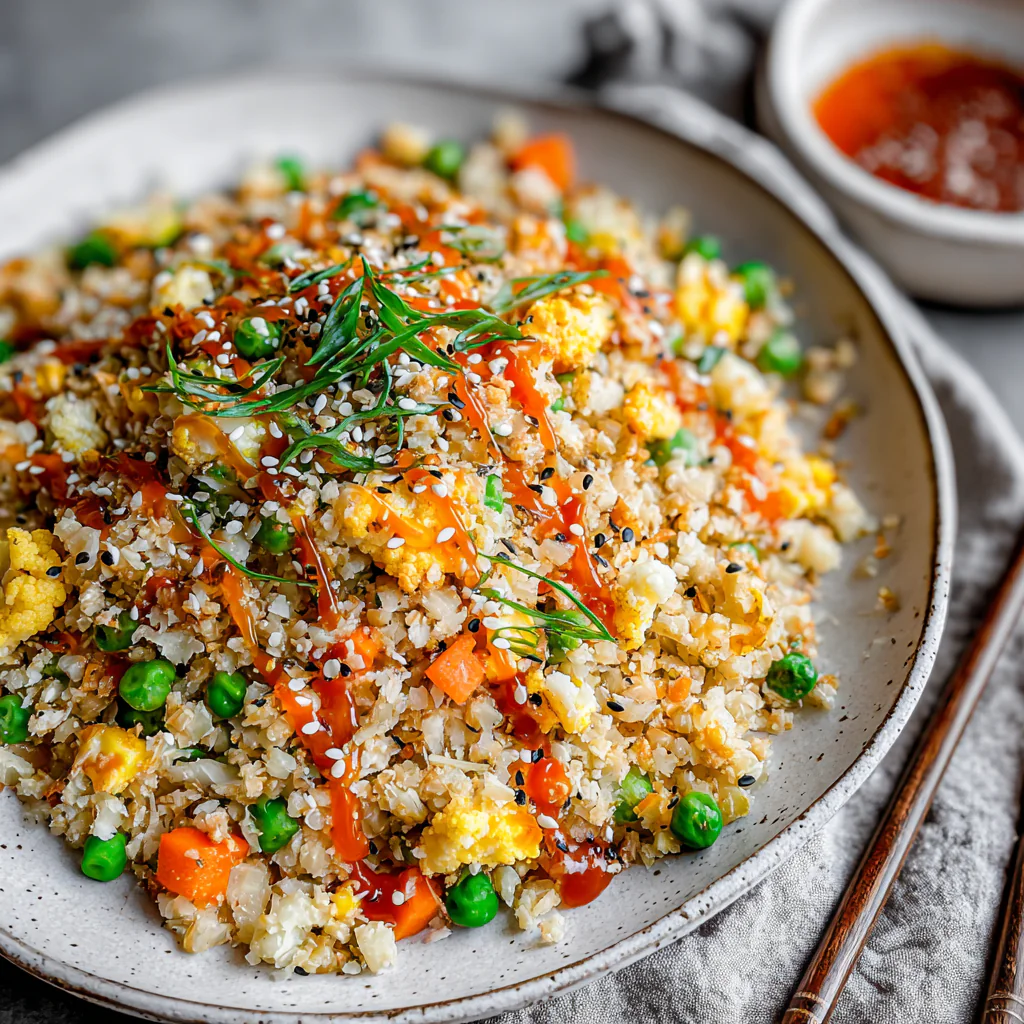
Healthy Cauliflower Fried Rice: A Flavorful Low-Carb Delight
Ingredients
Equipment
Method
- Grate the cauliflower using a food processor or box grater until it resembles rice.
- Heat vegetable oil in a large skillet over medium heat.
- Add garlic and onion, sauté until fragrant and onion is translucent.
- Stir in mixed vegetables and cook for another 3-4 minutes.
- Push the vegetable mixture to one side of the skillet and pour the beaten eggs onto the other side, scrambling until fully cooked.
- Add the grated cauliflower, soy sauce, and sesame oil, mixing everything together.
- Cook for another 5-7 minutes, stirring occasionally, until the cauliflower is tender.
- Season with salt and pepper to taste, garnish with green onions, and serve.