
Introduction
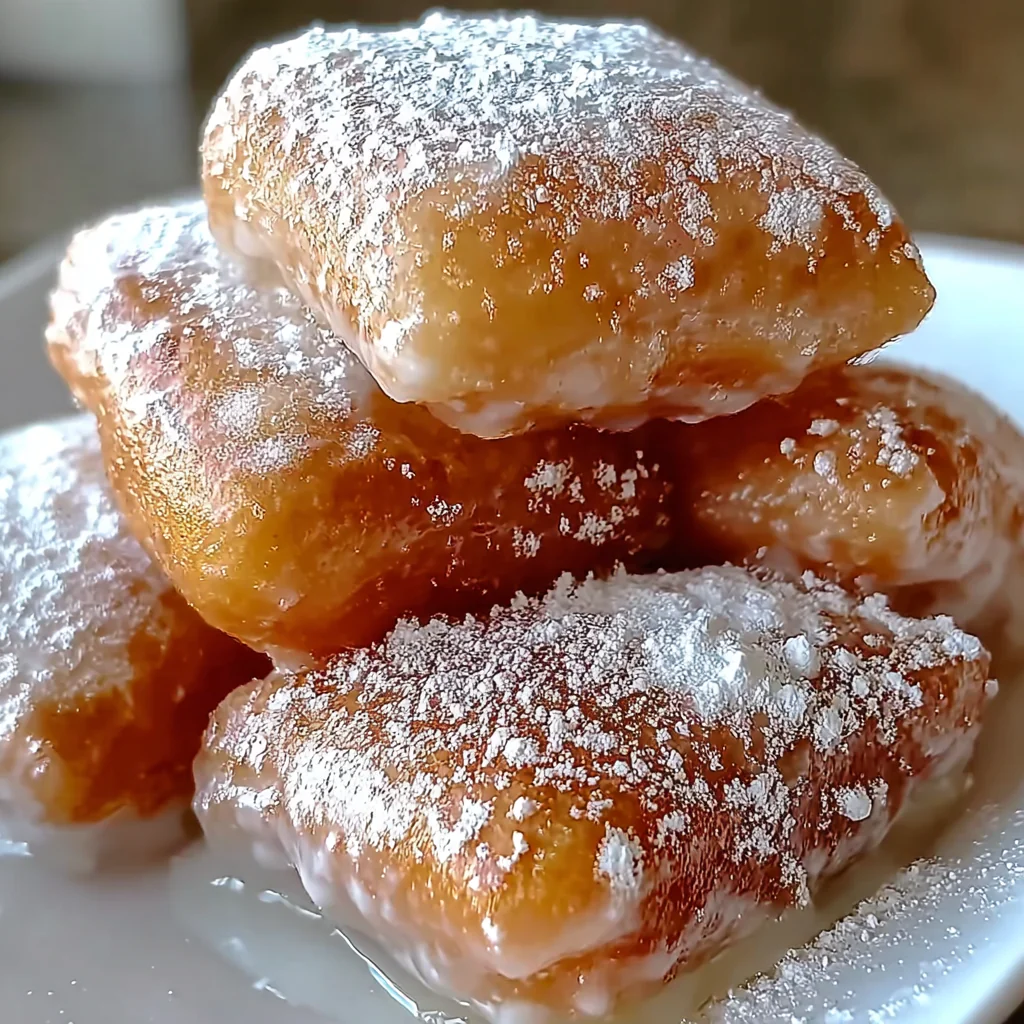
Few things in life compare to the joy of biting into a freshly made buttermilk beignet. These delightful pastries are a perfect blend of crispy on the outside and soft on the inside, making them a cherished treat in cafes and patisseries alike.
Whether enjoyed at breakfast, paired with coffee, or as a sweet ending to a meal, buttermilk beignets offer a comforting indulgence that is surprisingly simple to create at home. With their slightly tangy flavor from the buttermilk, they elevate the traditional beignet to a new level of deliciousness.
Ingredients
- 2 cups all-purpose flour
The foundation of the beignet, all-purpose flour provides structure and a light, tender crumb, allowing the dough to rise and hold its shape during frying. A proper gluten network is crucial for achieving the right texture. - 1/4 cup granulated sugar
Sugar not only sweetens the beignets but also contributes to browning during frying, resulting in a beautiful golden color and enhanced flavor. It balances the tang of the buttermilk perfectly. - 1 tablespoon baking powder
This leavening agent allows the beignets to inflate as they cook, creating that unmistakable lightness in the finished pastry. It’s what gives that fluffy texture everyone loves. - 1/2 teaspoon salt
Salt enhances flavor and balances the sweetness in the dish. It also plays a role in strengthening the dough’s gluten, ensuring the beignets have a satisfying bite. - 1/2 teaspoon baking soda
Baking soda reacts with the acidity in buttermilk, giving the beignet a lift and contributing to a tender crumb. It deepens the flavor complexity by promoting browning. - 1 cup buttermilk
Buttermilk provides moisture and a slight tanginess that elevates the flavor profile of the beignets. Its acidity tenderizes the dough and reacts with baking soda, creating a lighter texture. - 1 large egg
The egg adds richness, moisture, and structure to the beignet dough. It helps to bind the ingredients together and contributes to a tender crumb as they fry. - 3 cups vegetable oil
Oil is essential for frying the beignets, ensuring they cook evenly and develop that characteristic crispy outer layer. Vegetable oil has a high smoke point, making it ideal for frying. - Powdered sugar for dusting
This finishing touch not only adds an appealing visual aspect but also offers a sweet contrast to the rich beignet, enhancing the overall indulgent experience.
Directions & Preparation
Step 1: Prepare the dry ingredients.
In a large mixing bowl, whisk together the flour, sugar, baking powder, baking soda, and salt. This step is crucial for evenly distributing the leavening agents throughout the flour, ensuring consistent rising as the beignets fry. Incorporating air into this mixture helps create a lighter pastry.
Step 2: Mix the wet ingredients.
In another bowl, combine the buttermilk and egg, whisking until smooth. This blending process is essential to ensure that the egg is well integrated into the buttermilk, providing uniform moisture and richness to the dough. The combination of these wet ingredients will also activate the leavening agents.
Step 3: Combine dry and wet mixtures.
Gradually pour the wet mixture into the dry ingredients, stirring gently until just moistened. It’s important not to overmix; doing so can develop the gluten too much, resulting in dense beignets rather than the desired fluffy texture. Stop mixing as soon as you no longer see dry flour.
Step 4: Prepare the dough.
Turn the dough out onto a floured surface and gently knead it a couple of times until it comes together. This brief kneading helps to eliminate any large lumps while maintaining a tender consistency, ensuring that your beignets will have that light, airy texture on the inside once they’re fried.
Step 5: Roll out the dough.
Using a rolling pin, carefully roll the dough to about 1/2-inch thickness. Thicker dough will result in a denser beignet, whereas thinner dough may fry too quickly. A consistent thickness ensures even cooking and helps achieve that heavenly fluffy interior.
Step 6: Cut the beignets.
Use a sharp knife or a pizza cutter to cut the dough into squares or rectangles, about 2 inches wide. This shape allows for even frying, providing a good surface area that's crucial for the delectable texture. The cut edges will fry up crisp and golden.
Step 7: Heat the oil.
In a large pot or deep fryer, heat the vegetable oil to 350°F (175°C). This temperature is ideal for frying beignets, ensuring they cook evenly and develop a satisfying golden-brown exterior. Use a thermometer to maintain consistent heat, preventing undercooked or burnt pastries.
Step 8: Fry the beignets.
Carefully lower a few pieces of dough into the hot oil, frying them in batches to avoid overcrowding. Fry each side for approximately 1-2 minutes until golden brown. Monitoring the oil temperature is key; too hot can lead to a burnt exterior with a raw inside.
Step 9: Drain and dust.
Once fried, remove the beignets from the oil and transfer them to a paper towel-lined plate to drain excess oil. While still warm, dust generously with powdered sugar, allowing it to adhere nicely. This adds an inviting sweetness that complements the dough’s subtle tang.
Step 10: Serve warm and enjoy.
For the best experience, serve the beignets warm. They are incredibly delightful just as they are, but feel free to pair them with coffee or hot chocolate for that perfect indulgent moment. Sharing with friends and family transforms these treats into a celebration.

The Flavor of Buttermilk Makes a Difference
Buttermilk isn’t just a minor ingredient in this recipe; it’s key to achieving the unique tang and tenderness of these beignets. Its acidity not only enhances the flavor but also interacts with baking soda, creating a light, airy texture. This depth of flavor sets these beignets apart from standard versions, making each bite feel luxurious.
Perfecting the Frying Technique
Frying can be tricky, yet it’s crucial for making successful beignets. Maintaining the right oil temperature ensures that the beignets puff beautifully while developing a golden, crispy exterior. Too low a temperature can cause them to absorb excess oil, while too high can lead to burnt outsides and raw insides. A thermometer is your best friend here.
Dusting to Delight
A final dusting of powdered sugar transforms your beignets from simple pastries into an appealing treat. The sweetness of the powdered sugar beautifully contrasts with the rich, slightly tangy dough, leading to a delicious balance of flavors. Don’t be afraid to be generous; the sugar adds to the overall experience, making each bite even more heavenly.
FAQs
What if my dough feels too thick?
If your dough feels overly thick, you can add a splash of buttermilk to loosen it up slightly. This will help create a softer, more manageable dough for cutting and frying.
Can I use non-dairy milk instead of buttermilk?
While you can use non-dairy milk, you should add an acid like vinegar or lemon juice to mimic the acidity of buttermilk, ensuring proper leavening and flavor.
Why did my beignets turn out dense?
Dense beignets can occur from overmixing the dough or frying them at too low of a temperature. Be careful to mix just until combined and to monitor your oil temperature closely.
How do I know when the beignets are done frying?
The beignets should be golden brown on both sides and will puff up significantly as they cook. Use a thermometer to ensure that the oil remains at a consistent 350°F.
Can I make these beignets smaller for a bite-sized treat?
Absolutely! Just cut the dough into smaller squares, adjusting the frying time accordingly. Smaller beignets will cook faster, so watch them closely.
What can I do with excess dough scraps?
You can gather the scraps, knead them gently, roll, and cut again for additional beignets. However, avoid overworking the dough as it can result in tougher pastries.
Conclusion
Homemade buttermilk beignets are a delightful addition to any brunch table or as a warm treat for a cozy evening. With their crispy outer layer and fluffy interior, they are sure to impress family and friends alike.
With the tips and techniques outlined above, you’re on your way to creating a batch of beignets that are not only delicious but also memorable. Enjoy the process and the heavenly treats that follow!
Recipe Card
Light and Fluffy Buttermilk Beignets Await You
Ingredients
Method
- Prepare the dry ingredients.
- Mix the wet ingredients.
- Combine dry and wet mixtures.
- Prepare the dough.
- Roll out the dough.
- Cut the beignets.
- Heat the oil.
- Fry the beignets.
- Drain and dust.
- Serve warm and enjoy.
Tried this recipe?
Let us know how it was!Notes
Additional serving suggestions: pair with a crisp salad, garlic bread, or roasted seasonal vegetables for balance.
For make-ahead, prep components separately and assemble just before heating to preserve texture.
Taste and adjust with acid (lemon/vinegar) and salt right at the end to wake up flavors.