Introduction
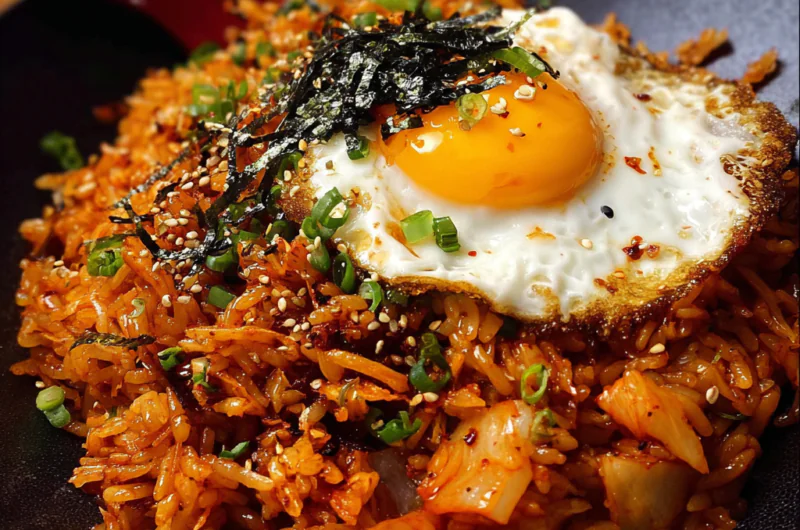
Kimchi Fried Rice is a beloved staple in Korean cuisine, cherished for its bold flavors and comforting texture. This dish beautifully marries the tangy and spicy notes of kimchi with perfectly cooked rice, presenting a meal that is both satisfying and quick to prepare.
Often seen as a way to use up leftover rice, Kimchi Fried Rice invites creativity, allowing the inclusion of various proteins and vegetables. Whether prepared for breakfast, lunch, or dinner, it serves as a versatile canvas to showcase your culinary skills.
Ingredients
- 2 cups cooked rice
Using day-old rice is ideal due to its drier texture, which helps prevent mushiness during frying. Fresh rice tends to release moisture, making it harder to achieve that desirable crispy texture. - 1 cup kimchi, chopped
The star of this dish, kimchi adds a distinctive fermented flavor, tanginess, and a spicy kick. Make sure to choose a kimchi that aligns with your preferred level of heat and sourness. - 2 tablespoons vegetable oil
Oil is crucial for sautéing the ingredients evenly while preventing them from sticking to the pan. Vegetable oil has a high smoke point, allowing for high heat without burning. - 2 large eggs
Eggs contribute creaminess and a rich flavor, enhancing the overall texture of the dish. They are often scrambled or fried and incorporated into the rice. - 3 green onions, chopped
Green onions add a fresh, mild onion flavor plus a nice pop of color. They can be used both in the cooking process and as a garnish, elevating the dish's presentation. - 2 cloves garlic, minced
Garlic imparts a robust flavor and aroma, enhancing the overall taste profile of the dish. It should be sautéed just until fragrant to avoid burning. - 1 tablespoon soy sauce
Soy sauce serves as a seasoning agent, adding saltiness and umami depth to the dish. It complements the flavors of the kimchi, tying all ingredients together. - 1 teaspoon sesame oil
Sesame oil brings a nutty aroma that enriches the dish's flavor profile. A little goes a long way, so balance is key when adding this ingredient. - Optional proteins (tofu, chicken, shrimp)
Adding proteins enhances the dish's nutritional profile and transforms it into a more complete meal. Choose your favorite and adjust cooking times to ensure they are adequately cooked.
Directions & Preparation
Step 1: Heat the vegetable oil in a large skillet over medium-high heat.
Warming the oil first is important, as it creates the right environment for frying. This step helps achieve that coveted crispy texture for the rice when it begins to fry.
Step 2: Add minced garlic and sauté until fragrant, about 30 seconds.
This step is crucial as it infuses the oil with flavor. Be careful not to burn the garlic, as it can quickly alter the dish's taste and lead to bitterness.
Step 3: Incorporate the chopped kimchi and sauté for 2–3 minutes.
Cooking the kimchi releases its juices, which enriches the rice with flavor. This also softens the kimchi, integrating its taste more thoroughly into the dish.
Step 4: Mix in the cooked rice, ensuring it's evenly distributed.
This step helps all the ingredients to meld beautifully. Use a spatula to break up any clumps, allowing the rice to fry evenly and gain a crisp golden color.
Step 5: Drizzle soy sauce over the rice, stirring to combine.
Soy sauce not only adds flavor but also moisture to the rice, preventing it from become too dry. Make sure to mix it well, ensuring every grain of rice is seasoned.
Step 6: Create a well in the center for the eggs, crack them in, and scramble until cooked.
By cooking the eggs directly in the pan, they absorb the flavors of the kimchi and rice. Scrambling them quickly helps to incorporate them into the dish without overcooking.
Step 7: Stir in chopped green onions and sesame oil just before serving.
Adding green onions at the end retains their freshness and crunch. The sesame oil adds a rich aroma, finishing off the dish nicely.
Step 8: Serve hot, optionally garnished with additional green onions or sesame seeds.
Garnishing not only enhances the visual appeal but also adds an extra layer of flavor and texture. Enjoying it hot ensures the best taste and texture experience.

The Role of Kimchi in Flavor Development
Kimchi is the heart of this dish, offering a complex flavor profile that's both tangy and spicy. It evolves during the cooking process, as the heat mellows some of its sharpness while enhancing its fermented essence. This transformation allows the kimchi to blend harmoniously with the rice, enriching each bite with a depth seldom found in typical fried rice.
Creative Additions to Customize Your Dish
While this recipe shines as is, don’t hesitate to personalize your Kimchi Fried Rice. Whether it’s the protein of your choice like chicken or shrimp, or added vegetables such as bell peppers or zucchini, each addition can bring a different level of flavor and texture. Experimenting with various components allows you to craft a dish that's uniquely yours.
Pairing Suggestions for a Complete Meal
Kimchi Fried Rice is versatile enough to be served on its own, yet pairing it with side dishes can elevate your meal. Consider serving it alongside a fresh cucumber salad, a bowl of miso soup, or even fried dumplings. These simple accompaniments can balance the dish's richness and enhance the overall dining experience.
FAQs
What if my rice clumps and doesn't fry well?
If your rice clumps, it might be too moist. Use day-old rice instead, or let fresh rice cool completely before using to ensure it’s dry enough to fry.
Can I adjust the spiciness of the dish?
Absolutely! Choose a milder kimchi or reduce the amount you use, and you can also add less soy sauce for a subtler flavor.
What proteins work best with Kimchi Fried Rice?
Tofu, chicken, or shrimp all work well. Each protein adds its unique flavor and texture, making the dish more filling.
What can I do if my Kimchi Fried Rice turns out bland?
Adding a splash of soy sauce or a pinch of salt can enhance flavor. Taste and adjust as needed, particularly when using homemade or milder kimchi.
How do I make this dish vegetarian-friendly?
You can easily keep this dish vegetarian by using tofu as your protein and ensuring that the kimchi used is vegetarian, as some varieties may contain fish sauce.
What can I use as a substitute for sesame oil?
If you don’t have sesame oil, try using a few drops of olive oil combined with a sprinkle of sesame seeds, which will give you a similar nutty flavor.
Conclusion
Kimchi Fried Rice is not only a hearty dish but also a delightful blend of flavors that can dance across your palate. With its simplicity and versatility, it's a recipe worth mastering for any home cook eager to explore Korean flavors.
The next time you have leftover rice, consider this quick and satisfying option. Whether enjoyed solo or as part of a larger meal, Kimchi Fried Rice is sure to please.
Recipe Card
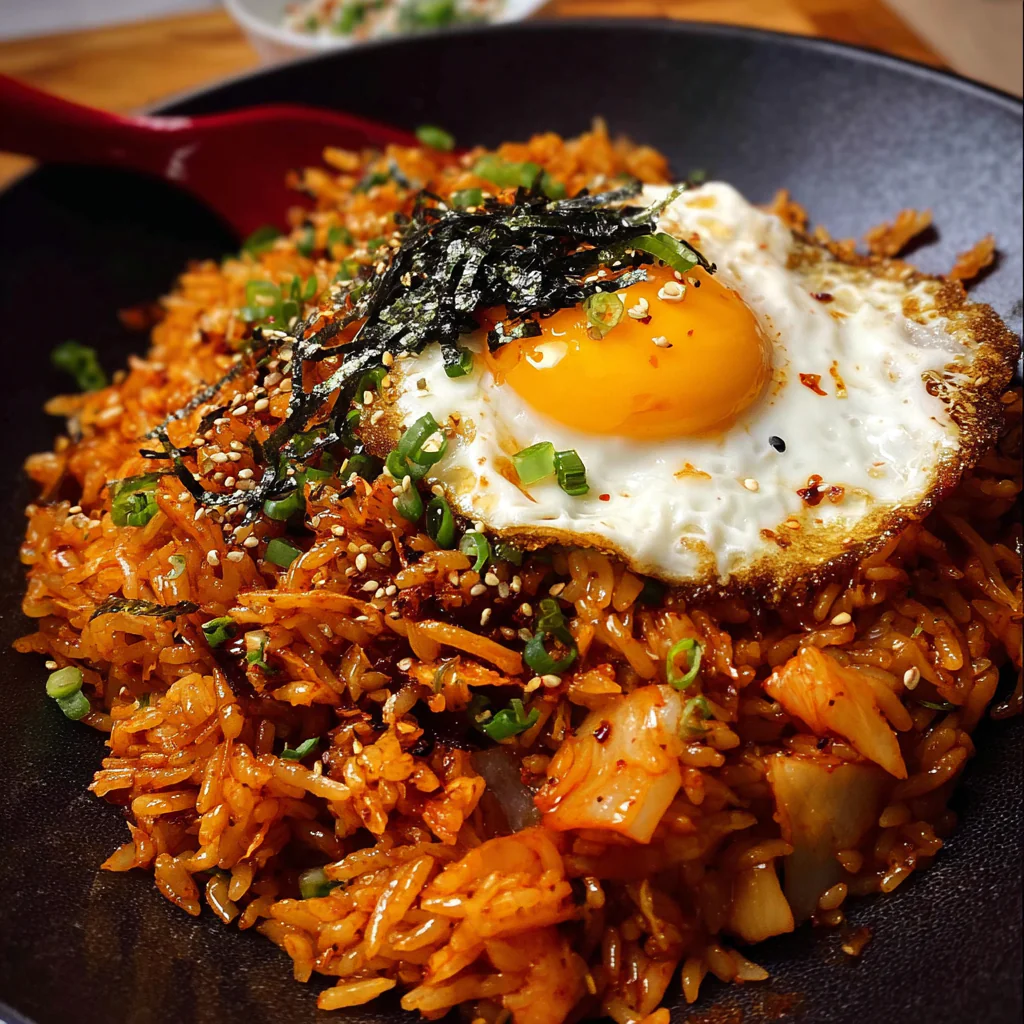
Savor the Flavor of Homemade Kimchi Fried Rice
Ingredients
Method
- Heat the vegetable oil in a large skillet over medium-high heat.
- Add minced garlic and sauté until fragrant, about 30 seconds.
- Incorporate the chopped kimchi and sauté for 2–3 minutes.
- Mix in the cooked rice, ensuring it's evenly distributed.
- Drizzle soy sauce over the rice, stirring to combine.
- Create a well in the center for the eggs, crack them in, and scramble until cooked.
- Stir in chopped green onions and sesame oil just before serving.
- Serve hot, optionally garnished with additional green onions or sesame seeds.
Tried this recipe?
Let us know how it was!Notes
Additional serving suggestions: pair with a crisp salad, garlic bread, or roasted seasonal vegetables for balance.
For make-ahead, prep components separately and assemble just before heating to preserve texture.
Taste and adjust with acid (lemon/vinegar) and salt right at the end to wake up flavors.