
Introduction
Italian Sausage Rigatoni is a delectable dish that combines hearty rigatoni pasta with the rich flavors of Italian sausage, making it a beloved meal for family dinners or gatherings with friends. This recipe highlights the harmony of spices, cheese, and sauce, delivering comfort in every bite.
Crafted from simple ingredients, this dish showcases how the quality of your components, such as fresh herbs and good-quality sausage, can elevate a basic pasta to gourmet status. By focusing on the use of high-quality elements, home cooks can create a satisfying and flavorful plate that celebrates the essence of Italian cuisine.
Ingredients
- 1 pound Italian sausage
The sausage serves as the heart of the dish, providing rich flavor and protein. Choosing sweet or spicy Italian sausage allows you to control the flavor profile to suit your taste. - 12 ounces rigatoni pasta
Rigatoni's tubular shape holds the sauce beautifully, ensuring that every bite is packed with flavor. Its texture complements the softness of the sauce, making it an ideal choice for this recipe. - 2 tablespoons olive oil
Olive oil not only prevents the sausage from sticking to the pan but also adds depth and a fruity flavor that enhances the overall taste of the dish. - 1 small onion, diced
The onion provides a savory base flavor. Cooking it until softened releases its natural sweetness, balancing the richness of the sausage. - 3 cloves garlic, minced
Garlic brings an aromatic sharpness to the dish. Its pungent flavor adds a punch that complements the herbs and sausage perfectly. - 1 can (14.5 ounces) crushed tomatoes
Crushed tomatoes form the backbone of the sauce, offering acidity and a juicy texture that helps meld all the flavors together. - 1 teaspoon dried oregano
Oregano is a quintessential herb in Italian cooking, lending a warm, earthy flavor that merges beautifully with the tomatoes and sausage. - 1 teaspoon dried basil
Dried basil adds a sweet, aromatic quality that brightens the dish. Using dried herbs allows for a concentrated flavor that infuses the entire sauce. - Salt and pepper to taste
Seasoning is crucial for balancing flavors. Salt enhances all the ingredients, while pepper adds a touch of spice that rounds out the dish. - 1/2 cup grated Parmesan cheese
Parmesan cheese not only thickens the sauce but also adds a salty, nutty flavor that brings depth to the finished dish. - Fresh parsley for garnish (optional)
Parsley provides a fresh, herbal note that brightens the dish visually and adds a hint of flavor without overpowering the other ingredients.
Directions & Preparation
Step 1: Cook the rigatoni pasta according to package instructions until al dente.
Cooking the pasta until it is al dente ensures that it maintains a firm texture, preventing it from becoming mushy when combined with the sauce. This step is critical to achieve the right mouthfeel and allows the rigatoni to hold its shape in the final dish.
Step 2: In a large skillet, heat olive oil over medium heat and add the diced onion.
Heating the olive oil before adding the onion is essential for enhancing its sweetness and ensuring it cooks evenly. Sauté the onion until it turns translucent, about 5 minutes, which adds a foundation of flavor that will build throughout the cooking process.
Step 3: Stir in the minced garlic and cook for an additional minute.
Adding garlic after the onion allows it to infuse its aromatic qualities without burning. Garlic cooks quickly, so keep a close eye on it to prevent bitterness, which would negatively impact the dish.
Step 4: Add the Italian sausage to the skillet, breaking it apart as it cooks.
Cooking the sausage until browned not only adds complex flavors through the Maillard reaction but also releases its fat, which will be incorporated into the sauce. This step is crucial for developing depth in the flavor profile.
Step 5: Once the sausage is cooked through, pour in the crushed tomatoes and add oregano and basil.
Adding the crushed tomatoes at this stage enriches the skillet with luscious sauce. The herbs will rehydrate and release their essential oils, further amplifying the flavor as they simmer alongside the other ingredients.
Step 6: Season with salt and pepper, then let the sauce simmer for about 10 minutes.
Simmering the sauce allows the flavors to meld together, transforming the distinct elements into a harmonious mixture. Taste and adjust your seasoning during this time to enhance the overall flavor of the dish.
Step 7: Combine the cooked rigatoni pasta with the sauce, tossing to coat well.
Tossing the rigatoni with the sauce ensures that each piece is evenly coated, bringing the entire dish together. This merging of textures and flavors is key to creating a satisfying meal.
Step 8: Stir in the grated Parmesan cheese until melted, then remove from heat.
Adding Parmesan at the end allows it to melt slightly into the warm sauce, enriching the flavor and creaminess. The cheese adds a savory depth and balances the acidity of the tomatoes.
Step 9: Garnish with fresh parsley before serving.
Garnishing with parsley not only enhances the visual appeal of the dish but also adds a fresh burst of flavor that contrasts beautifully with the richness of the sauce. This final touch elevates the presentation, making it restaurant-worthy.

Perfecting the Sausage Flavor Profile
Selecting the right Italian sausage is key to defining the flavor of your dish. Whether opting for sweet or spicy, the sausage's seasoning contributes extensively to the overall taste. Experimenting with local varieties or artisanal products can unlock flavors that amplify your rigatoni, creating a signature dish that showcases your preferences.
Tomato Choices: Fresh vs. Canned
Both fresh and canned tomatoes have their merits in this recipe, but the choice can significantly affect the sauce's final flavor. Canned crushed tomatoes often provide a consistent texture and taste due to their ripeness at harvest. Fresh tomatoes bring brightness, especially in peak season; however, they may require extra cooking time to develop a rich consistency.
Elevating Presentation with Simple Touches
Perhaps the most overlooked aspect of cooking is presentation. Simple garnishes, such as a sprinkle of fresh parsley or additional grated Parmesan cheese, can transform pasta from a homemade meal into an enticing dish. Eye appeal enhances the dining experience and encourages even the pickiest eaters to dive into the plate.
FAQs
What if the pasta absorbs too much sauce?
If your rigatoni absorbs too much sauce, you can add a splash of water or stock to bring it back to the desired consistency without losing flavor. Stir it gently over low heat until unified.
Can I adjust the spiciness of the dish?
To control heat, choose mild sausage or reduce the amount of red pepper flakes added. You can also balance spice by incorporating a bit of sugar or serving it with a creamy side.
What type of tomatoes should I use for a deeper flavor?
For a richer sauce, use San Marzano tomatoes or other high-quality canned varieties. They are known for their sweetness and acidity, providing an excellent base for your sauce.
Is there a way to stretch the recipe for more servings?
If you want to serve more, simply increase the amounts of sausage, sauce, and pasta proportionally. Additionally, adding steamed vegetables, like spinach or mushrooms, can bulk it up without sacrificing flavor.
What if my sauce seems too thin?
If your sauce is too thin, let it simmer uncovered for a few extra minutes. This will allow excess liquid to evaporate and thicken the sauce for a better coating on the rigatoni.
Can I add a splash of wine for extra flavor?
Absolutely! Adding a splash of red or white wine after browning the sausage will add complexity and depth to the sauce. Just allow it to cook off for a few minutes before adding tomatoes.
Conclusion
Italian Sausage Rigatoni is more than just a dish; it's a celebration of flavors that are both familiar and comforting. By paying attention to the ingredients and cooking techniques, you can craft a meal that delights the senses.
Whether served at a family gathering or as a cozy dinner for two, this pasta dish brings the warmth of Italian tradition to your kitchen. Enjoy the process and savor each bite, knowing you've created something special with your own hands.
Recipe Card
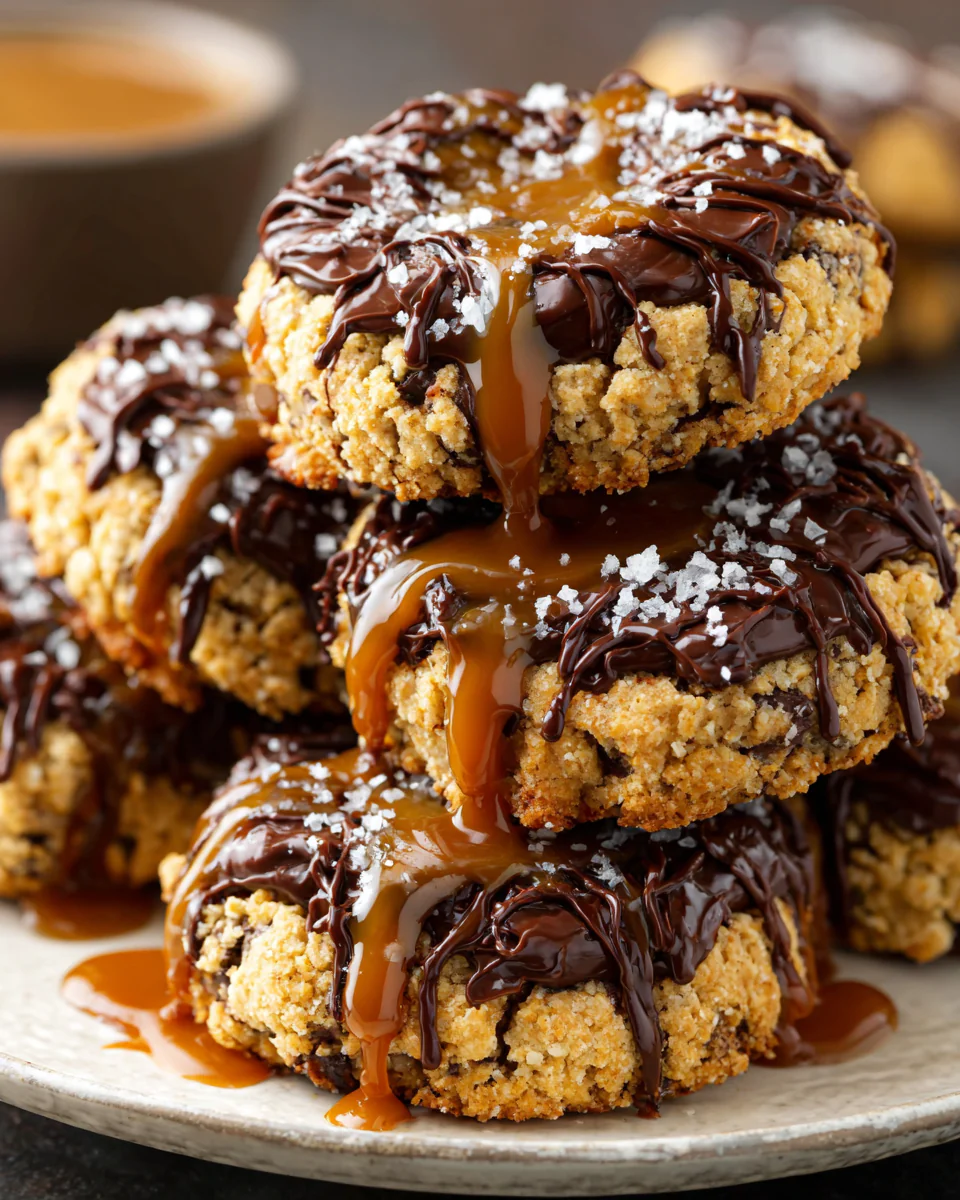
Irresistible Peanut Butter Chocolate Caramel Cookies
Ingredients
Method
- Preheat your oven to 350°F (175°C).
- In a large bowl, mix together the peanut butter, brown sugar, and granulated sugar until smooth.
- Add the egg and vanilla extract, mixing until fully combined.
- Stir in the baking soda until fully incorporated.
- Fold in the chocolate chips and caramel bits gently.
- Scoop tablespoon-sized amounts of dough onto a baking sheet lined with parchment paper.
- Bake in the preheated oven for 10–12 minutes, or until the edges are golden brown.
- Remove from the oven and let the cookies cool on the baking sheet for 5 minutes before transferring them to a wire rack.
Tried this recipe?
Let us know how it was!Notes
Additional serving suggestions: pair with a crisp salad, garlic bread, or roasted seasonal vegetables for balance.
For make-ahead, prep components separately and assemble just before heating to preserve texture.
Taste and adjust with acid (lemon/vinegar) and salt right at the end to wake up flavors.