Introduction
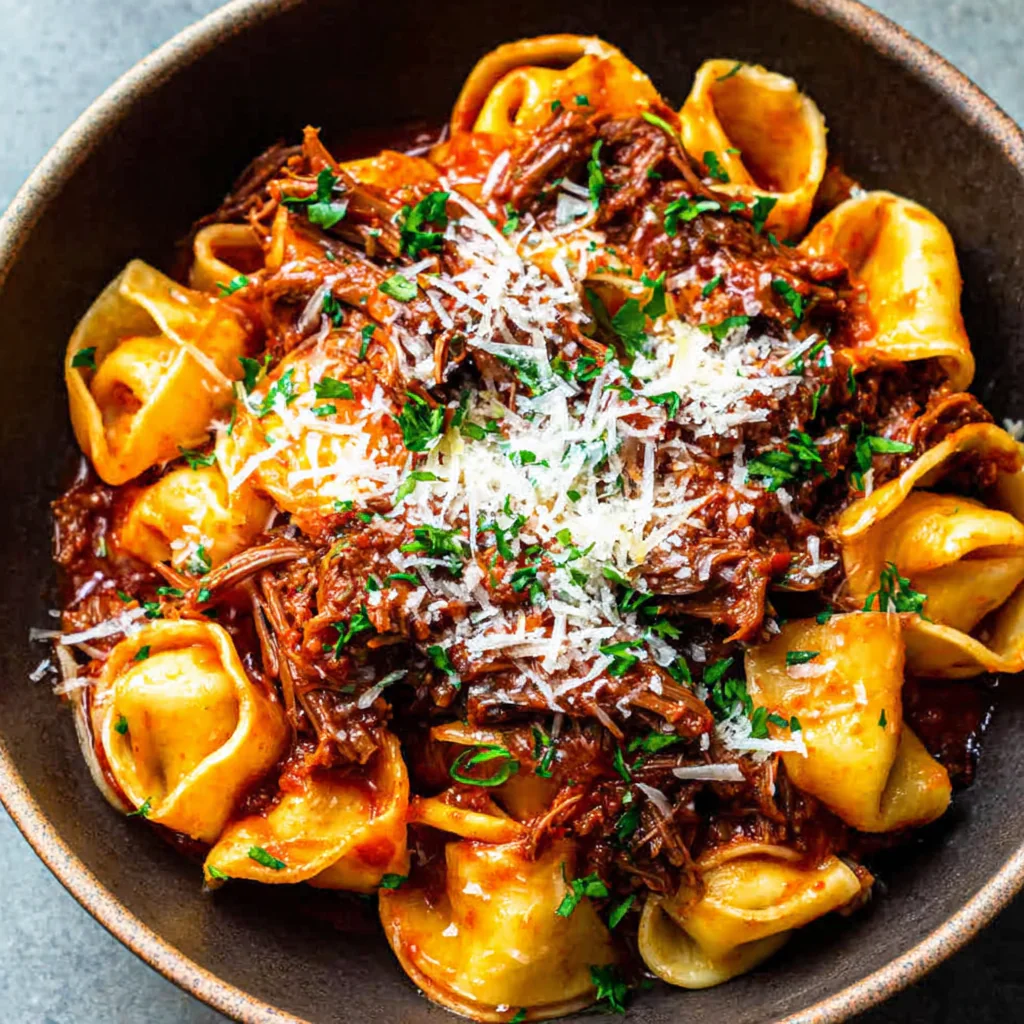
When it comes to comfort food, few dishes can compare to a rich, savory slow-cooked shredded beef ragu paired with pasta. This classic Italian dish is not only satisfying but also incredibly versatile, allowing for variations in pasta and additional ingredients.
The beauty of this ragu lies in its simple yet flavorful ingredients that meld together beautifully during the slow cooking process. As the beef cooks slowly, it breaks down into tender shreds, absorbing the robust flavors of tomatoes, herbs, and spices, creating a sauce that clings lovingly to your pasta.
Ingredients
- 2 lbs beef chuck roast
Beef chuck roast is ideal for slow cooking due to its marbling, which renders as it cooks, resulting in tender and flavorful shredded meat. - 1 large onion, diced
Onions add sweetness and depth to the sauce. As they cook down, they release their natural sugars, enhancing the overall flavor profile. - 3 cloves garlic, minced
Garlic provides a pungent, aromatic base that infuses the ragu with warmth and complexity. It elevates the dish and complements the beef beautifully. - 1 can (28 oz) crushed tomatoes
Crushed tomatoes form the foundation of the sauce, contributing acidity and body. They thicken the ragu and balance the richness of the beef. - 1 cup beef broth
Beef broth enhances the umami flavor of the ragu. It adds moisture and depth, ensuring the meat remains juicy and succulent while cooking. - 2 tablespoons tomato paste
Tomato paste intensifies the tomato flavor, adding a concentrated sweetness and richness that deepens the overall taste of the ragu. - 1 tablespoon dried oregano
Oregano brings an earthy, herby tone that complements the beef well. It balances the dish and adds a classic Italian flavor. - 1 tablespoon dried basil
Basil adds a hint of sweetness and aromatic brightness to the ragu, enhancing its complexity and making it feel authentic. - Salt and pepper to taste
Salt and pepper are essential for bringing out the flavors of all the ingredients. Adjusting these allows for a tailored flavor experience. - 1 lb pasta (such as tagliatelle or pappardelle)
The pasta serves as the perfect vehicle for the ragu, capturing the sauce in its folds. Choose a wider pasta for an upscale texture that holds the rich flavors. - Grated Parmesan cheese for serving
Parmesan cheese adds a salty, nutty finish that elevates the dish. It's the perfect garnish to round out the flavors.
Directions & Preparation
Step 1: Season the beef with salt and pepper on all sides.
Properly seasoning the beef ensures that every bite is flavorful. Salt not only enhances the meat’s natural taste but also helps to draw out moisture, which contributes to the overall flavor development during cooking.
Step 2: Sear the beef in a hot skillet until browned on all sides.
Searing the beef caramelizes the outside, creating a depth of flavor through the Maillard reaction. This browning process adds richness to the final dish, which would otherwise lack that complex flavor profile.
Step 3: Transfer the beef to a slow cooker, then add the onions and garlic.
Layering the onions and garlic around the beef allows their flavors to infuse into the meat as it cooks. The slow cooker will soften these aromatics, enriching the ragu with their essence.
Step 4: Pour in the crushed tomatoes, beef broth, and tomato paste.
Adding the crushed tomatoes and broth creates a sauce base that nourishes the meat. The tomato paste further intensifies the tomato's flavor, resulting in a thick and satisfying ragu.
Step 5: Sprinkle in the oregano, basil, and additional salt and pepper.
Incorporating the herbs at this stage allows them to release their oils and flavors while the beef cooks slowly. Adjusting with salt and pepper ensures a balanced flavor throughout.
Step 6: Cover and cook on low for 8-10 hours.
Slow cooking allows the flavors to meld and the beef to become tender. This extended time also breaks down the connective tissues in the meat, leading to shreddable goodness.
Step 7: Once cooked, shred the beef using two forks.
Shredding the beef transforms it into bite-sized pieces that absorb the sauce. This step is crucial for achieving that textured, comforting ragu that clings to pasta.
Step 8: Cook the pasta according to package instructions.
Cooking the pasta to al dente ensures the noodles hold their shape while also providing a slightly chewy texture that complements the soft ragu. Timing this step is essential for a cohesive dish.
Step 9: Combine the shredded beef ragu with the pasta.
Tossing the pasta with the ragu ensures that every strand is coated with the flavorful sauce. This step is key for creating a harmonious dish where each bite bursts with flavor.
Step 10: Serve hot, garnished with freshly grated Parmesan cheese.
Finishing with grated Parmesan adds a salty, nutty layer to the dish, balancing the robustness of the ragu. Serving hot allows the flavors to meld perfectly, ensuring an enjoyable dining experience.

Choosing the Right Cut of Beef
Selecting the right beef is crucial for a successful ragu. Chuck roast is favored for its rich flavor and ability to shred beautifully after slow cooking. You may also consider brisket or round, but chuck provides the best balance of tenderness and taste. Be mindful to select a marbled cut to ensure maximum juiciness and flavor.
Enhancing the Sauce with Fresh Herbs
While dried herbs work wonderfully, fresh herbs can elevate this ragu to new heights. Consider adding fresh basil and parsley near the end of cooking to introduce vibrant flavors. A sprinkle of fresh herbs just before serving can brighten the dish, giving it a refreshing contrast to the rich beef and tomato sauce.
Pasta Choices That Compliment Ragu
The type of pasta you pair with your ragu can make a significant difference. Wide noodles like pappardelle or tagliatelle are excellent for capturing the sauce, providing a satisfying bite. For a twist, try gnocchi or polenta for a unique take that adds an unexpected texture and flavor profile to this comforting dish.
FAQs
What if my ragu turns out too thick?
If your ragu is too thick, simply add a little more beef broth or water, stirring until you reach your desired consistency. This will help loosen it without compromising the flavor.
Can I use a different type of meat for this ragu?
Yes, you can substitute beef with pork shoulder or even chicken thighs for a lighter option. Just be mindful of the cooking times, as different meats may require adjustments.
How can I make the flavors pop if they seem bland?
If your ragu lacks flavor, try adjusting with more salt, adding a splash of red wine for acidity, or a pinch of sugar to balance the acidity of the tomatoes.
What can I do if the sauce is too soupy?
If your ragu has excessive liquid, allow it to simmer uncovered on the stove for a few minutes before serving. This will help reduce the sauce to a thicker consistency.
Can I add vegetables to my ragu for extra nutrition?
Absolutely! Carrots, celery, or bell peppers can be added to the slow cooker along with the meat. They will soften and blend well into the sauce, enhancing the flavor and nutrition.
What should I do if the beef doesn’t shred easily?
If the beef is tough and doesn't shred easily, it may need more cooking time. Return it to the slow cooker and continue cooking until it becomes fall-apart tender.
Conclusion
Slow cooked shredded beef ragu pasta is more than just a meal; it's an experience that brings comfort and joy to the dinner table. Each ingredient plays a vital role in creating a dish that feels both hearty and indulgent.
With a little time and love, you can serve a satisfying bowl of ragu that tastes as if it came straight from an Italian nonna's kitchen. Enjoy it with family and friends, and savor each delicious bite.
Recipe Card

Crispy Meat Pies Filled with Flaky Goodness
Ingredients
Method
- Prepare the pastry dough.
- Cook the filling mixture.
- Roll out the dough.
- Assemble the pies.
- Prepare for baking.
- Bake the pies.
- Cool and serve.
Tried this recipe?
Let us know how it was!Notes
Additional serving suggestions: pair with a crisp salad, garlic bread, or roasted seasonal vegetables for balance.
For make-ahead, prep components separately and assemble just before heating to preserve texture.
Taste and adjust with acid (lemon/vinegar) and salt right at the end to wake up flavors.