

Introduction
As the leaves begin to turn and the air carries a crispness, there's nothing quite like a comforting bowl of pasta to warm the soul. This Butternut Squash & Sage Pasta beautifully encapsulates the essence of autumn, with its rich flavors and vibrant colors.
Butternut squash, with its natural sweetness, pairs wonderfully with the earthy notes of sage, creating a harmonious blend that is both satisfying and seasonal. Whether it's a quiet night in or a gathering with friends, this dish promises to evoke feelings of coziness and warmth.
Ingredients
- 12 oz. pasta (such as fettuccine or pappardelle)
The pasta serves as the foundation of the dish, providing texture and a satisfying base for the rich butternut squash sauce. Choose a type that can hold onto the sauce well for an optimal eating experience. - 2 cups butternut squash, cubed
Rich in vitamins and minerals, butternut squash adds a natural sweetness and creaminess to the sauce. Its vibrant color also contributes to the dish's visual appeal. - 2 tablespoons olive oil
Olive oil is essential for sautéing the squash and aromatics. It enhances the overall flavor while also providing a healthy fat that helps to create a silky sauce. - 1 small onion, diced
Onion adds depth and sweetness to the dish. When sautéed, it caramelizes slightly, which brings out its natural sugars and enhances the overall flavor profile. - 3 cloves garlic, minced
Garlic imparts a fragrant aroma and a subtle spiciness that complements the sweet butternut squash. It is vital for building flavor early in the cooking process. - 1 tablespoon fresh sage, chopped (or 1 teaspoon dried sage)
Sage gives the dish its distinctive autumnal flavor. Its slightly peppery, earthy profile pairs beautifully with both the squash and the pasta. - 1 cup vegetable broth
Vegetable broth ensures the sauce maintains a rich depth of flavor without overpowering the other ingredients. It also helps to blend the squash into a creamy consistency. - 1/2 cup heavy cream (or a plant-based alternative)
Heavy cream adds richness and creaminess to the sauce, balancing the sweetness of the squash. If you prefer a lighter option, a plant-based alternative can be used to achieve a similar texture. - Salt and pepper to taste
Seasoning is crucial for enhancing the flavors of the dish and should be adjusted according to personal preference. A pinch of salt and a dash of pepper bring all the ingredients together. - Fresh parmesan cheese for serving (optional)
Parmesan adds a savory umami layer to the dish when sprinkled on top. It complements the sweetness of the butternut squash and enhances the overall flavor profile.
Directions & Preparation
Step 1: Cook the pasta according to package instructions in salted boiling water until al dente.
Cooking the pasta until al dente ensures that it has a firm bite, providing the perfect texture to stand up to the creamy sauce. Reserve some pasta water before draining, as this starchy liquid can be used to adjust the sauce's consistency later.
Step 2: Meanwhile, heat olive oil in a large skillet over medium heat.
Warming the olive oil before adding ingredients is crucial for proper sautéing. It ensures that the flavors are released effectively and helps prevent the garlic and onion from burning as you develop a rich, aromatic base.
Step 3: Add the diced onion to the skillet and sauté until translucent, about 5 minutes.
Sautéing the onion until it becomes translucent signifies that it has softened and is beginning to release its natural sugars. This step is important as it sets the foundation for the sweet and savory flavor profile of the dish.
Step 4: Stir in the minced garlic and chopped sage, cooking for 1 more minute.
Adding garlic and sage at this stage allows their flavors to bloom without burning. The aroma that fills your kitchen is a prelude to the delightful dish you are creating.
Step 5: Incorporate the cubed butternut squash and sauté for 8-10 minutes until tender.
Cooking the butternut squash until tender is vital for achieving a creamy sauce. The natural sweetness of the squash will develop as it caramelizes slightly, enhancing the overall taste of the dish.
Step 6: Pour in the vegetable broth and simmer for 5 minutes.
Simmering the squash in vegetable broth allows it to absorb additional flavors while becoming even softer. This step creates a base for blending into a smooth sauce, incorporating all the delicious sautéed bits from the pan.
Step 7: Remove the skillet from heat and blend the mixture until smooth using an immersion blender or regular blender.
Blending the squash mixture creates a creamy sauce that coats the pasta beautifully. If using a regular blender, make sure to allow the mixture to cool slightly and blend in batches if necessary to prevent splattering.
Step 8: Return the blended sauce to the skillet, stir in the heavy cream, and season with salt and pepper to taste.
Mixing in the cream at this point enriches the sauce's texture and flavor. Adjusting the seasoning ensures that the dish is perfectly balanced, allowing the sweetness of the squash to shine through.
Step 9: Add the cooked pasta to the sauce, tossing to coat evenly.
Tossing the pasta with the sauce ensures each piece is infused with the flavors and richness of the butternut squash. If the sauce seems too thick, you can add reserved pasta water a little at a time until you reach your desired consistency.
Step 10: Serve immediately, topped with freshly grated parmesan cheese, if desired.
Serving the dish promptly allows you to enjoy it at its best temperature and texture. Grating fresh parmesan on top adds a layer of flavor and a touch of elegance to the finished dish, completing the autumnal experience.

Seasonal Sweetness: The Star Ingredient
Butternut squash is undeniably the star of this dish, bringing a natural sweetness that shines against the savory backdrop of sautéed vegetables and herbs. Its creamy texture, when blended, mimics the richness of a cream sauce, making it a perfect ingredient for a cozy autumn pasta. This seasonal squash not only elevates flavor but also provides an array of nutrients, making your meal comforting and healthful.
Aromatic Sage: The Earthy Companion
Sage adds an aromatic depth that is quintessential to autumn cooking. Its unique flavor profile complements the sweetness of the squash, creating a well-rounded dish that tingles the taste buds. By infusing your cooking oil with sage early on, you allow its flavor to permeate the dish, enriching each bite with an earthy warmth that beckons the comfort of fall.
Quick Tips for Perfecting Your Pasta Dish
To elevate your Butternut Squash & Sage Pasta, consider adding toasted walnuts for a crunchy texture or a squeeze of fresh lemon juice for a pop of acidity. If you prefer a richer sauce, double the amount of cream or mix in a dollop of mascarpone. Remember to check the seasoning at every stage to ensure a balanced flavor that enhances this delightful autumn medley.
FAQs
What if my squash puree is too thick?
If your squash puree turns out too thick, gradually add some reserved pasta water or vegetable broth to loosen it. Blend until you reach your desired consistency, ensuring the sauce remains creamy and easy to coat the pasta.
Can I substitute the heavy cream with a lighter option?
Yes, you can use half-and-half or even a plant-based cream alternative for a lighter sauce. Keep in mind that the flavor and creaminess will slightly differ, but it will still result in a delicious dish.
What if I want to enhance the flavor further?
To enhance the flavor, try incorporating a pinch of nutmeg or a splash of balsamic vinegar for added depth. Both ingredients work beautifully with butternut squash and sage.
Can I add other vegetables for more variety?
Absolutely! You can incorporate vegetables like spinach, kale, or roasted red peppers for added color and nutrition. Just sauté them briefly before adding the butternut squash.
What can I do if the dish tastes bland after mixing?
If the dish lacks flavor, try adding more salt, freshly ground black pepper, or a sprinkle of grated parmesan. Taste as you go to achieve the right balance.
Can I scale this recipe for a larger gathering?
Certainly! To scale up, simply multiply the ingredient quantities by the number of servings needed, ensuring you have a large enough pot for boiling the pasta and skillet for preparing the sauce.
What can I do if my pasta clumps together after cooking?
To prevent clumping, toss the pasta in a little olive oil immediately after draining. This will create a barrier and keep the noodles separate until you're ready to mix them with the sauce.
Conclusion
This Butternut Squash & Sage Pasta is more than just a comforting dish; it's a celebration of the flavors of autumn. With its creamy sauce and harmonious blend of ingredients, each bite takes you to a cozy place on chilly nights.
Whether enjoyed solo, with family, or friends, this pasta promises warmth and satisfaction. As the nights get longer, embrace the comfort of this season by cooking this delightful dish and sharing it with those you love.
Recipe Card
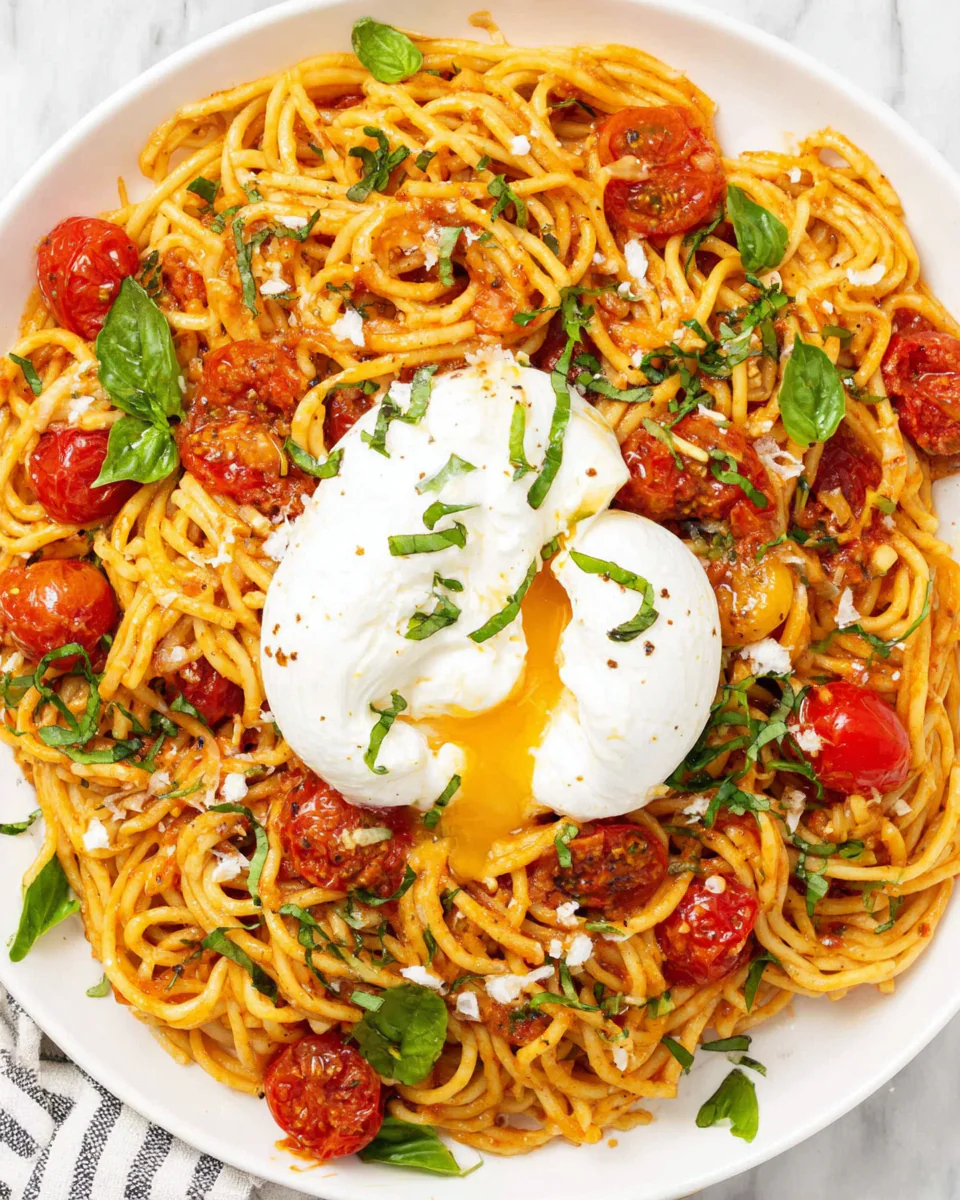
Creating a Creamy Burrata Pasta Delight
Ingredients
Method
- Cook the pasta.
- Sauté the garlic.
- Add cherry tomatoes.
- Combine pasta and sauce.
- Add burrata and season.
- Plate and garnish.
Tried this recipe?
Let us know how it was!Notes
Additional serving suggestions: pair with a crisp salad, garlic bread, or roasted seasonal vegetables for balance.
For make-ahead, prep components separately and assemble just before heating to preserve texture.
Taste and adjust with acid (lemon/vinegar) and salt right at the end to wake up flavors.