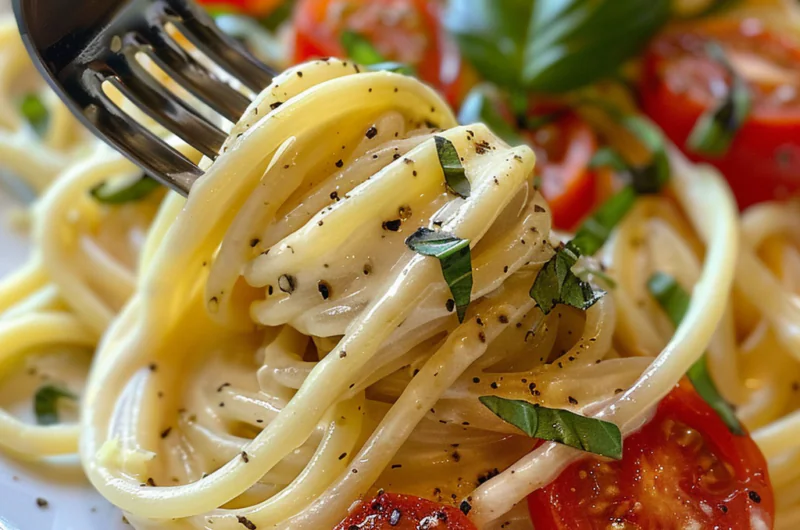
Fast, fresh, and ridiculously creamy—this 20-minute recipe uses starchy pasta water to transform simple ricotta and lemon into a velvety sauce that clings to every bite.
📋 In This Article
Introduction
Let’s be honest: weeknight cooking usually means compromise. You want something satisfying, but the couch is calling and the drive-thru is tempting. This Creamy Lemon Ricotta Pasta with Blistered Tomatoes and Fresh Basil is the antidote to that trap. It feels luxurious—silky, bright, and rich—but comes together in the time it takes to boil water.
The first time I tested this, I made a critical error: I tossed cold ricotta straight onto hot pasta. The result was a clumpy, greasy mess that separated instantly. It tasted fine, but the texture was all wrong. That failure sent me back to the lab. The fix? Treating the ricotta like a proper emulsion. By whipping it with starchy pasta water, you create a sauce that is stable, creamy, and impossibly light. This isn’t just dinner; it’s a masterclass in how simple ingredients, treated with respect, outperform complex recipes any day of the week.
Why This Recipe Works (The Science of the Sauce)
Most pasta sauces rely on fat and heat to create a coating agent. Here, we rely on chemistry. Ricotta is essentially a fresh cheese curd; it has a high protein structure but lacks the melting capability of aged cheeses like Parmesan. If you just heat it, the proteins tighten, squeezing out moisture and turning grainy.
We avoid this by emulsifying the ricotta with reserved pasta water. The water is rich in amylose (starch molecules) released from the pasta. When you vigorously whisk this starchy liquid into the ricotta, the starch gelatinizes and creates a colloidal suspension. In plain English? The starch acts as a binder, holding the fat and water together so your sauce stays smooth and velvety, even when piping hot.
Then there are the tomatoes. We blister them over high heat to trigger the Maillard reaction—the chemical process that browns food and creates hundreds of new flavor compounds. This concentrates the natural sugars, providing a sweet contrast to the sharp lemon acid in the ricotta base. It’s a balancing act of acid, fat, and sweet that hits every part of the palate.
Ingredients You’ll Need
This recipe is entirely dependent on the quality of your inputs. There are no heavy creams or stocks to hide behind.
- Pasta: 1 pound of dried pasta. Short shapes like penne or campanelle trap the sauce better, but long strands like linguine work beautifully for a silkier feel.
- Ricotta Cheese: 15 ounces of whole milk ricotta. Do not use part-skim. The lower fat content means less creaminess and a higher risk of the sauce turning grainy. Look for a brand that lists just milk, salt, and an enzyme (like vinegar or citric acid) on the label.
- Lemon: 1 large lemon. You need both the zest and the juice. The zest contains limonene, an aromatic oil that provides a floral top note, while the juice adds the sharp acidity needed to cut the dairy richness.
- Cherry Tomatoes: 1 pint. Look for tomatoes that feel heavy for their size; they have thinner skins and more “meat” inside, which yields a better blister.
- Garlic: 2 cloves, minced. We add this raw to the ricotta for a punch of heat, or you can sauté it briefly with the tomatoes if you prefer a mellower flavor.
- Extra Virgin Olive Oil: 3 tablespoons. Used to blister the tomatoes and finish the dish.
- Fresh Basil: 1 cup, loosely packed and torn. Dried basil is a poor substitute here; it lacks the anise-like freshness needed to bridge the tomato and cheese.
- Salt and Black Pepper: To taste. Remember to salt your pasta water generously—it should taste like a well-seasoned soup.
- Red Pepper Flakes: ½ teaspoon (optional), for a subtle background warmth.
Step-by-Step Instructions
- Boil the Pasta: Bring a large pot of water (4 quarts) to a rolling boil. Add 1 tablespoon of kosher salt. Add the pasta and cook until al dente—usually 1 to 2 minutes less than the package instructions. Crucial Step: Before draining, dip a mug into the pot and reserve at least 1 cup of the starchy pasta water. Drain the pasta and set aside.
- Blister the Tomatoes: While the water heats, grab a large skillet. Heat 2 tablespoons of olive oil over medium-high heat until it shimmers. Add the pint of cherry tomatoes and a pinch of salt. Do not touch them for 2 minutes. Let the skins char and blister. Give the pan a shake and cook for another 3 to 4 minutes until they start to collapse and release their juices. If you are adding garlic, add it in the last 30 seconds so it doesn’t burn. Remove the pan from the heat.
- Build the Sauce Base: In a large mixing bowl (or the pot you used for the pasta, wiped dry), combine the ricotta, lemon zest, lemon juice, minced garlic (if adding raw), red pepper flakes, and ½ teaspoon of salt. Whisk vigorously to loosen the cheese.
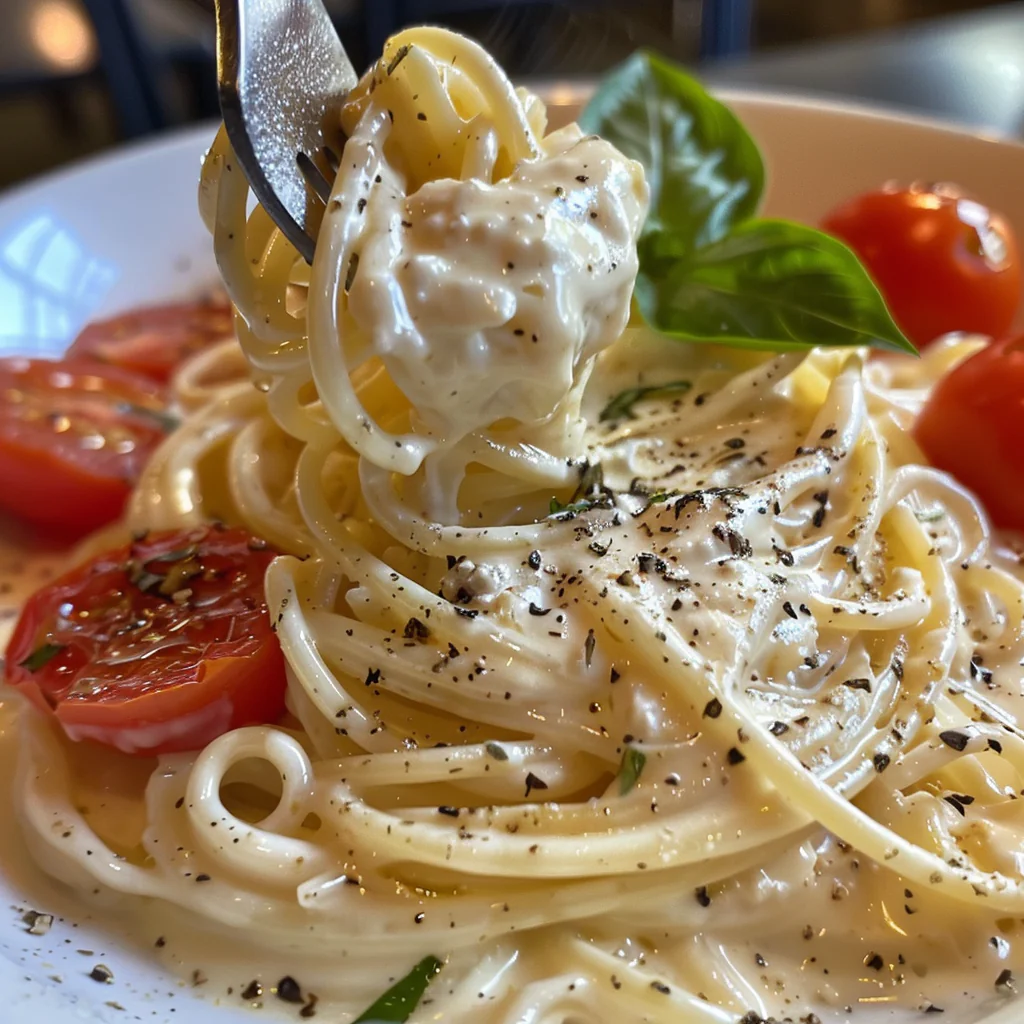
- Emulsify the Sauce: Slowly stream in about ½ cup of the hot reserved pasta water while whisking constantly. The sauce will look thin at first, then magically transform into a glossy, pourable cream. If it looks too thick, add another ¼ cup of water.
- The Marriage: Add the hot, drained pasta directly to the bowl with the sauce. Toss well with tongs, ensuring every noodle is coated. The residual heat from the pasta will finish cooking the garlic and melt the cheese slightly. Fold in the blistered tomatoes and any juices from the skillet.
- Finish: Tear the basil leaves and fold them in just before serving. Taste. Does it need more salt? Probably. Add a final drizzle of olive oil and a generous crack of black pepper.
⚠️ Common Mistakes to Avoid
Even simple recipes have pitfalls. Here is where things usually go wrong.
- Using Cold Ricotta: Cold cheese seizes when it hits hot pasta. Take the ricotta out of the fridge 20 minutes before cooking, or temper it by mixing it with the hot pasta water first.
- Skipping the Pasta Water: This is the glue. Without the starch from the water, the ricotta sits on top of the pasta like a topping rather than becoming a sauce.
- Over-blistering the Tomatoes: There is a fine line between blistered and disintegrated. You want the skins to burst and char, but you still want texture. If the tomatoes turn into mush, you’ve cooked them too long or used a pan that was too small (overcrowding leads to steaming).
- Under-seasoning: Ricotta is incredibly bland on its own. It needs aggressive salting in the water and in the sauce to wake up the flavors. Don’t be shy with the salt shaker.
Variations & Customizations
This template is endlessly adaptable once you understand the sauce mechanics.
- Protein Boost: Grilled shrimp or shredded rotisserie chicken integrate seamlessly. If using raw chicken, sauté it in the pan before the tomatoes and remove it to rest while the tomatoes blister.
- Green Vegetables: Toss in a handful of spinach or peas with the hot pasta. The residual heat will wilt the spinach perfectly without making it soggy.
- Vegan Adaptation: Use a high-quality almond-based ricotta or a whipped tofu blend. The emulsion technique works the same way with plant-based starches.
- Spicy Kick: Increase the red pepper flakes or add a dollop of Calabrian chili paste to the ricotta mixture for a deeper, smokier heat.
Serving Suggestions & Storage
This dish is best eaten immediately, standing over the sink if we’re being honest. The sauce is at its peak creaminess right after tossing. If you must serve it later, a crisp arugula salad with a lemon vinaigrette cuts through the richness.
For storage, place leftovers in an airtight container in the fridge for up to 3 days. Reheating is the challenge. Ricotta can separate when reheated. To fix this, add a splash of water or milk to the pasta before microwaving, or reheat gently in a skillet over low heat, stirring constantly to re-emulsify the fats.
💡 Pro Tips for Perfect Pasta
- The Mug Trick: I keep a mug or measuring cup in the colander while the pasta cooks. It serves as a visual reminder to save that water. It sounds silly, but I used to forget this step constantly—don’t let that happen to you.
- Zest First: Always zest the lemon before you juice it. Trying to zest a flattened, juice-less lemon is a frustrating exercise in scraping your knuckles against the grater.
- Residual Heat: If your sauce tightens up too much while tossing, add one final splash of pasta water right at the end. The heat keeps the starches active and fluid.
Frequently Asked Questions (FAQ)
+Why is my ricotta sauce grainy?
Graininess usually happens for one of two reasons: you used low-fat ricotta, or the cheese was shocked by extreme heat. Always use whole milk ricotta and temper it with pasta water before introducing the hot pasta.
+Can I make this ahead of time?
You can prep the components ahead. Blister the tomatoes and mix the ricotta base (without the water) up to a day in advance. Store them separately. When ready to eat, boil the pasta, add the hot water to the ricotta, and assemble. This ensures the sauce stays creamy.
+Can I use a different cheese?
If you aren’t a fan of ricotta, whipped feta is a great alternative. It offers a tangier, sharper flavor profile. You can also blend half ricotta and half mascarpone for an even richer, dessert-like texture.
+What can I substitute for fresh basil?
If you don’t have fresh basil, fresh mint offers a surprisingly refreshing twist, or use a combination of parsley and oregano. Dried basil should be a last resort; if you must use it, crush it between your fingers into the sauce to release the oils.
+How do I know when the tomatoes are perfectly blistered?
Look for charred spots on the skin and a slight wrinkling of the fruit. They should look like they’ve burst open slightly from the internal pressure. If they are uniformly smooth, they haven’t released their sugars yet.
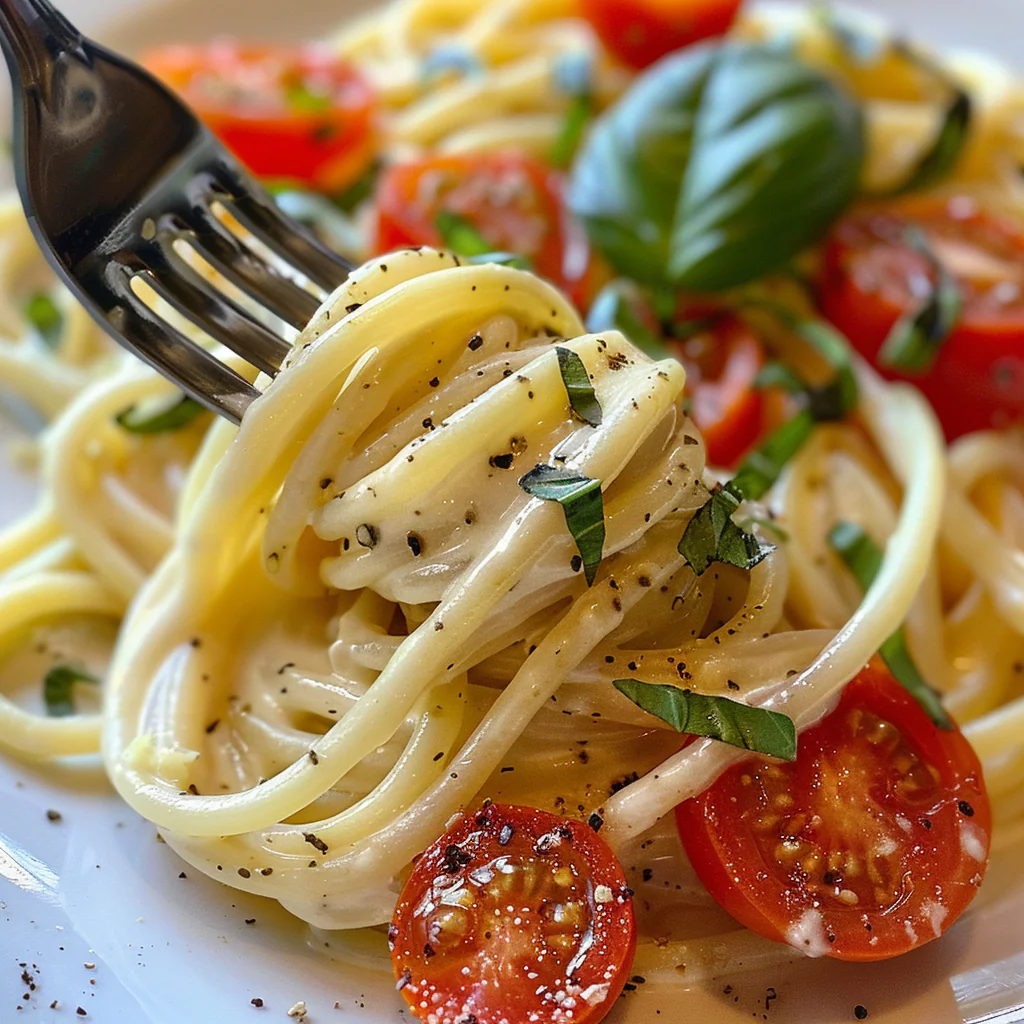
Lemon Ricotta Pasta
Ingredients
Method
- Bring a large pot of salted water to a boil. Once boiling, add linguine and cook according to package directions until al dente.
- While water boils and pasta cooks, make the ricotta sauce by combining the ricotta, lemon juice, zest, garlic, salt, red pepper flakes and olive oil in a medium bowl. Whisk until creamy and smooth.
- When pasta is done cooking, drain and transfer back into the cooking pot.
- Add the cherry tomatoes, basil and ricotta sauce. Toss together until well combined and the pasta is fully coated in the sauce.
- Season with more salt and pepper to taste then serve.
Nutrition
Notes
- For a creamier sauce, use whole milk ricotta instead of low-fat varieties; it will enhance the richness of the dish.
- To prevent the sauce from becoming too dry, reserve a cup of pasta cooking water and add it gradually to the ricotta mixture until you reach your desired consistency.
- If you prefer a different flavor profile, swap cherry tomatoes for sun-dried tomatoes for a sweeter, more concentrated taste.
- When cooking the pasta, try undercooking it by a minute; this allows it to absorb more sauce in the final toss and remain perfectly al dente.
- Leftovers can be stored in an airtight container in the fridge for up to 3 days; reheat gently in a skillet over low heat with a splash of olive oil to restore creaminess.