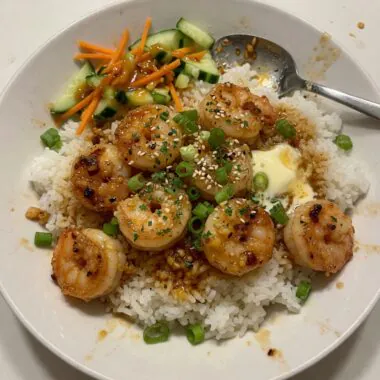
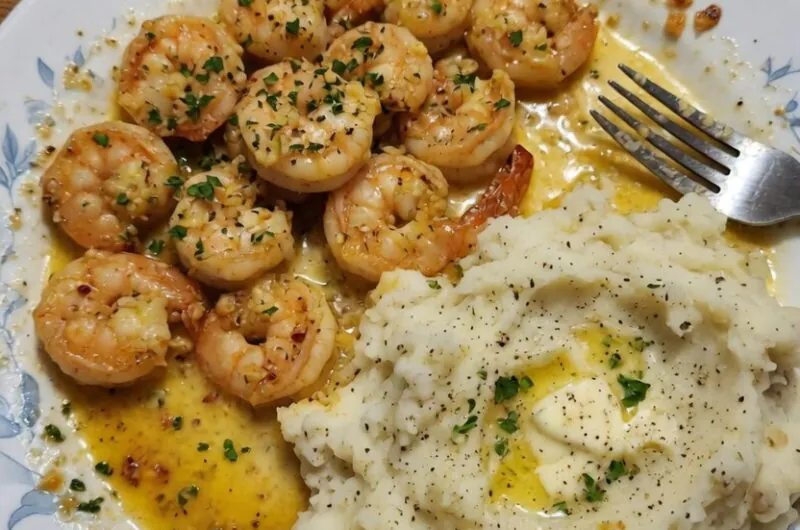
Succulent shrimp seared in a golden garlic butter emulsion, served over velvety potatoes—this is weeknight comfort food at its finest.
📋 In This Article
- Introduction
- Why This Recipe Works (The Science of Flavor & Simplicity)
- Ingredients: Sourcing for Success
- Step-by-Step Instructions: Mastering the Dish
- Common Mistakes to Avoid
- Flavor Variations & Customization
- Serving Suggestions & Perfect Pairings
- Storage, Make-Ahead, & Reheating Tips
- Pro Tips & Chef’s Secrets
- Frequently Asked Questions (FAQ)
Introduction
Let’s be honest: weeknight dinners usually fall into two camps. They’re either fast and forgettable, or they’re delicious but leave you with a sink full of dishes. This Garlic Butter Shrimp & Mashed Potatoes bridges that gap. It feels decidedly decadent—thanks to that rich, emulsified butter sauce—yet it hits the table in under 30 minutes. The real trick isn’t just the ingredients; it’s the sequence. By treating the shrimp and the potatoes as two distinct components that merge at the very end, you get perfectly seared protein and fluffy, not gummy, mash.
Why This Recipe Works (The Science of Flavor & Simplicity)
This dish is a masterclass in thermodynamics and emulsification. We aren’t just throwing ingredients into a pan; we are engineering flavor. Crab & Shrimp Stuffed Salmon – A Luxurious Seafood Dinner.
First, the Maillard reaction. By patting the shrimp dry and searing them in hot oil, we drive off surface moisture, allowing the temperature to climb high enough to brown the proteins and sugars. This creates hundreds of new aromatic compounds—nutty, savory, and complex—that simply don’t exist in raw or boiled shrimp.
Then comes the emulsification. Butter is an emulsion of butterfat, water, and milk solids. When we melt it in the pan and swirl in the garlic and a splash of acid (lemon), we are creating a temporary suspension. The water in the butter steams the garlic to release its volatile sulfur compounds—responsible for that signature pungent aroma—while the milk solids brown slightly (thanks to the residual heat) to add a nutty back-note to the sauce. This velvety mixture doesn’t just coat the shrimp; it acts as the perfect liaison for the mashed potatoes, ensuring every bite is seasoned through and through.
Ingredients: Sourcing for Success
Great results start at the grocery store. Here is what you need to know.
For the Garlic Butter Shrimp:
- Shrimp: 1 lb raw jumbo shrimp (peeled and deveined). Look for wild-caught if possible; they tend to have a sweeter, more pronounced shrimp flavor and firmer texture due to their natural diet. If using frozen, thaw them completely and—this is critical—pat them bone dry.
- Fat: 2 tbsp olive oil (for searing) and 1/4 cup unsalted butter (for the sauce). We use oil first because it has a higher smoke point, preventing acrid flavors during the sear. Butter comes later for flavor.
- Aromatics: 4 cloves fresh garlic, minced. Do not substitute with jarred garlic; the moisture content in pre-minced garlic inhibits proper sautéing and lacks the sharp, fresh bite of cloves crushed on the board.
- Seasoning: Salt, black pepper, and 1 tsp paprika (smoked or sweet).
- Acid: 1 tbsp fresh lemon juice.
For the Mashed Potatoes:
- Potatoes: 2 lbs Yukon Gold or Russet potatoes. Yukon Golds have a naturally creamy, buttery texture and lower starch content, making them forgiving. Russets are fluffier but require more care to avoid a gummy texture.
- Dairy: 1/2 cup heavy cream and 2 tbsp unsalted butter, warmed.
- Seasoning: 1 tbsp Kosher salt (for the boiling water).
Step-by-Step Instructions: Mastering the Dish
Timing is everything. We start the potatoes first, then move to the shrimp while they are tenderizing.
Step 1: The Potato Base
- Prep: Peel (optional) and cut potatoes into 2-inch chunks. Place them in a large pot and cover with cold water by at least an inch. Add the Kosher salt.
- Why cold water? Starting potatoes in cold water ensures they cook evenly. If you drop them into boiling water, the outside gets mushy before the inside is done.
- Cook: Bring to a boil, then reduce heat to a simmer. Cook until a paring knife slides into the center with zero resistance, about 15–20 minutes.
- Drain & Dry: Drain the potatoes thoroughly. Return them to the warm pot (off the heat) and let them sit for 1 minute. This allows excess steam to evaporate—removing water ensures fluffy potatoes, not watery ones.
- Mash: Add the warmed cream and butter. Use a potato masher or ricer for the best texture. Mix just until combined.
- Science Note: Over-mashing ruptures starch cells, releasing sticky gelatinized starch. This is what makes potatoes gluey. Stop as soon as they are smooth.
Step 2: The Sear
- Dry: Pat the shrimp completely dry with paper towels. Season with salt, pepper, and paprika.
- Sear: Heat olive oil in a large skillet over medium-high heat until shimmering. Add shrimp in a single layer.
- Don’t crowd the pan: If the shrimp touch, they steam instead of sear. Cook in batches if necessary.
- Cook for 2-3 minutes per side until pink and opaque. Transfer to a plate.
- Visual Cue: Look for a distinct golden-brown crust on the underside. That is the flavor.
Step 3: The Garlic Butter Sauce
- Deglaze: Reduce heat to medium-low. Add the butter to the pan. As it melts, scrape up the fond (the browned bits stuck to the pan) with a wooden spoon. This is concentrated flavor.
- Infuse: Add the garlic. Sauté for 45–60 seconds. You want it fragrant, not brown or bitter.
- Combine: Add a splash of lemon juice and stir to emulsify the sauce. Return the shrimp to the pan, tossing to coat in the glossy mixture. Remove from heat immediately.
Step 4: Assembly
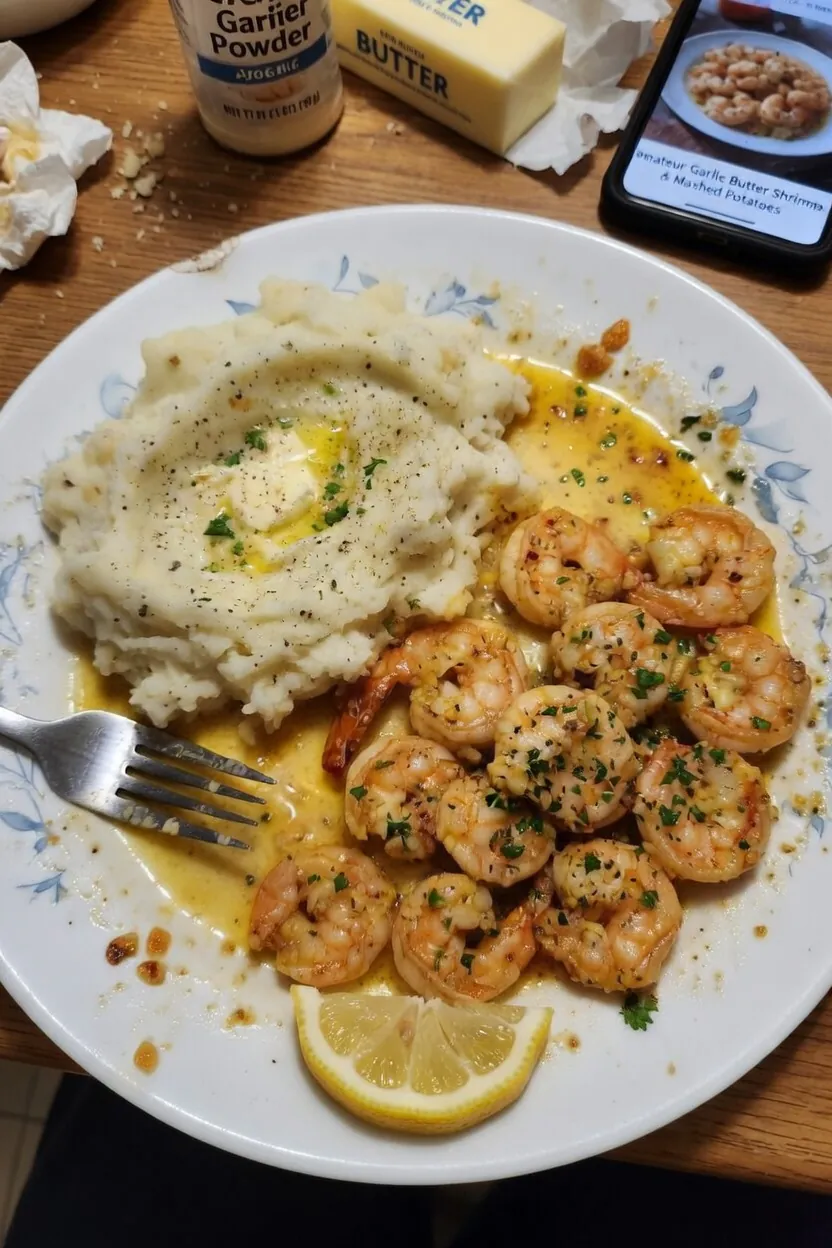
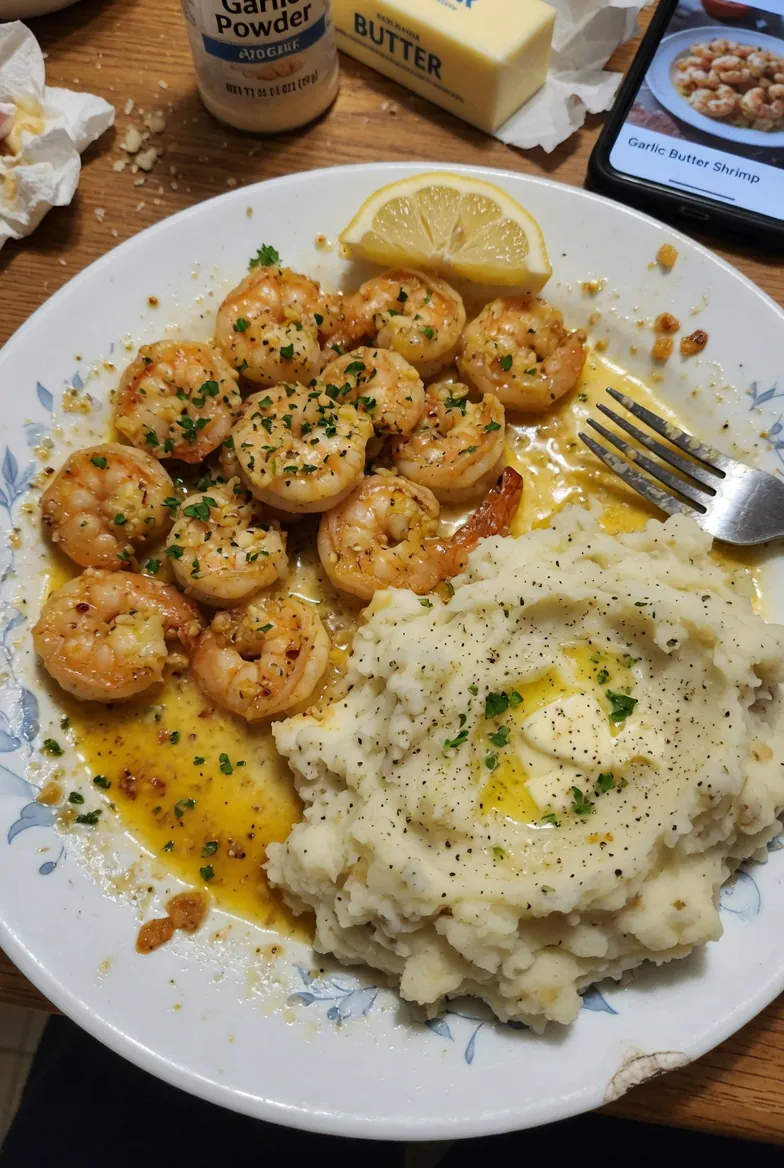
Spoon a generous helping of mashed potatoes onto plates. Top with the shrimp and spoon the remaining garlic butter sauce from the pan over the potatoes. Garnish with fresh parsley.
⚠️ Common Mistakes to Avoid
Even simple recipes have pitfalls. Here is how to dodge them. Garlic Parmesan Cowboy Butter Steak Bites Recipe.
- Rubbery Shrimp: This is the number one complaint. Shrimp cook fast—usually 2-3 minutes per side. They continue cooking via carryover heat after leaving the pan. Remove them the second they turn opaque. If they curl into a tight “O,” they are overcooked; a loose “C” is perfect.
- Gluey Potatoes: This happens when you use a food processor or electric mixer. The mechanical force shears the starch granules, turning the potatoes into paste. Stick to a hand masher or ricer.
- Burnt Garlic: Garlic has a low water content and burns quickly at high heat. Always add garlic after the searing stage, once the heat is reduced and the butter is bubbling. Burnt garlic tastes acrid and bitter, ruining the sauce.
- Wet Shrimp: If you don’t dry the shrimp, the water turns to steam in the pan. You end up boiling the shrimp in gray water rather than searing them. Dry surface = Maillard reaction.
Flavor Variations & Customization
Once you master the technique, the flavor profile is yours to play with.
- Spicy Kick: Add 1/2 tsp of red pepper flakes along with the garlic. The heat blooms in the butter, creating a “nudging” warmth rather than a sharp bite.
- Herb Swap: Try fresh chives or tarragon instead of parsley. Tarragon has a light anise flavor that pairs beautifully with seafood.
- Dietary Adaptations: For a low-carb or Keto version, swap the potatoes for mashed cauliflower. Steam cauliflower florets until tender, then blend with butter and cream for a surprisingly creamy alternative.
- Lemon-Garlic Intensified: Add lemon zest along with the juice. The zest contains the essential oils, providing a brighter, more aromatic punch than the juice alone.
Serving Suggestions & Perfect Pairings
The richness of the butter sauce begs for something fresh and acidic on the side. Creamy Garlic Shrimp Over Mashed Potatoes.
- Vegetables: Roasted green beans or asparagus work well. Their grassy notes and crisp texture cut through the richness of the butter.
- Bread: A slice of crusty bread is non-negotiable in my house. It’s the vehicle for sopping up every drop of the garlic butter sauce.
- Wine: A crisp Sauvignon Blanc or a lightly oaked Chardonnay mirrors the butter and citrus notes in the dish.
Storage, Make-Ahead, & Reheating Tips
- Storage: Store shrimp and potatoes in separate airtight containers in the fridge for up to 3 days.
- Make-Ahead: You can peel and devein the shrimp up to a day in advance (keep them on ice in the coldest part of your fridge). The potatoes can be made a day ahead; reheat them with a splash of extra cream to loosen the texture.
- Reheating: Reheat shrimp gently in a skillet over low heat with a teaspoon of water or butter to revive the sauce. Avoid the microwave—it turns shrimp rubbery.
💡 Pro Tips & Chef’s Secrets
- Browning the Butter: For deeper flavor, let the butter foam and brown slightly before adding the garlic. These browned milk solids (beurre noisette) add a distinct nutty aroma.
- The “Tight” Shrimp Test: If the shrimp feel slightly “tight” or springy to the touch in the pan, pull them immediately. That slight resistance means they are perfectly cooked; firm means overcooked.
- Deglazing with Acid: Always add a splash of lemon juice or white wine at the end. Acid cuts through the fat of the butter, making the dish taste lighter and brighter.
- Mashing Technique: I used to rush this step—don’t. Warm your cream and butter before adding it to the potatoes. Cold dairy cools the starches and makes the mash heavy.
Frequently Asked Questions (FAQ)
+Why is my shrimp rubbery?
Rubbery shrimp is almost always a result of overcooking. Shrimp cook incredibly fast. Remove them from the heat the moment they turn pink and opaque, as they will continue to cook from residual heat.
+Can I use frozen shrimp?
Absolutely. In fact, most “fresh” shrimp at the seafood counter were previously frozen. Thaw them overnight in the fridge or under cold running water, then pat them thoroughly dry before cooking.
+What kind of potatoes are best for mash?
Yukon Gold potatoes are generally the most forgiving, offering a naturally creamy texture. Russets yield a fluffier mash but can become gummy if overworked. Avoid waxy varieties like Red Bliss, which can be gluey when mashed.
+How do I know when the shrimp is done?
Visual cues are best. Look for a transition from translucent gray to opaque pink. The shrimp should curl slightly into a “C” shape. If it’s curled into a tight “O”, it’s overcooked.
+Can I make this dish dairy-free?
Yes. Substitute the butter for a high-quality vegan butter stick (not tub spread) and use full-fat coconut milk or a vegan cream alternative for the potatoes.
+How long does this keep in the fridge?
Properly stored, leftovers will keep for 3 days. However, the texture of the shrimp deteriorates over time, so it is best enjoyed fresh.
+What sides go with this?
A crisp green salad with vinaigrette, roasted asparagus, or steamed broccoli are excellent choices. The acidity and crunch balance the soft, rich texture of the potatoes.
+Is this recipe healthy?
Shrimp are a great source of lean protein and selenium. While butter and cream add saturated fat, you can lighten the dish by reducing the butter by half or swapping the potatoes for mashed cauliflower.