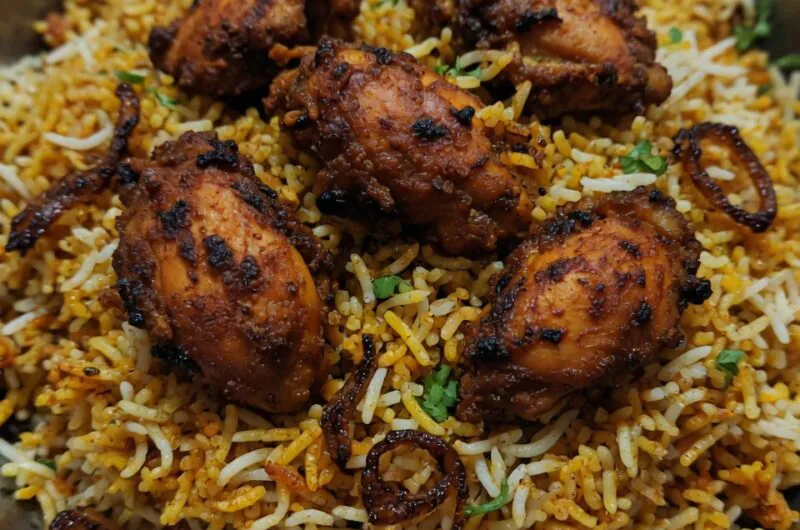
A stunning fusion where crispy, fried Chicken 65 meets fragrant, steamed basmati rice—spicy, textured, and impossible to resist.
📋 In This Article
- Introduction
- Why This Recipe Works (The Secret to Flavorful Biryani)
- Ingredients for Chicken 65 Biryani
- Step-by-Step Instructions: Mastering Chicken 65 Biryani
- Common Mistakes to Avoid for Perfect Chicken 65 Biryani
- Variations and Customizations
- Serving Suggestions and Pairings
- Storage and Reheating Tips
- Pro Tips for the Best Chicken 65 Biryani
- Frequently Asked Questions (FAQ)
Introduction
Some dishes are content to be just dinner. Chicken 65 Biryani wants to be the center of attention. It’s a culinary mashup that shouldn’t work on paper—fried, spicy chicken layered with delicate, aromatic rice—but absolutely sings on the plate. You get the aggressive heat and crunch of the famous Chicken 65, a bar snack legend from Hyderabad, softened by the luxurious steam of a traditional dum biryani.
It’s a textural masterpiece. Most biryanis rely on tender, slow-cooked meat for their identity. This one breaks the rules. You have crispy bits of chicken hiding in the fluffy grains, offering a surprise in every forkful. It’s the kind of dish you make when you want to impress a crowd, or honestly, when you just need a flavor bomb on a Tuesday night.
Why This Recipe Works (The Secret to Flavorful Biryani)
The genius of this dish lies in managing two distinct cooking environments to create one cohesive flavor profile.
First, the Maillard reaction. By frying the chicken quickly at high heat, we create a deeply browned, intensely savory crust. This isn’t just about color; it’s about creating hundreds of new flavor compounds that you simply cannot get from boiling or baking.
Second, the layering technique. We aren’t just dumping chicken into rice. We are creating a “dam” of flavor. The partially cooked rice acts like a sponge during the final dum (steam) cooking phase. As the rice finishes cooking, it absorbs the vapor rising from the spicy chicken masala below, ensuring that every single grain is seasoned, not just the ones touching the sauce.
Finally, the acid balance. The yogurt and lemon juice in the marinade do double duty. The lactic acid and vitamin C break down muscle fibers in the chicken for tenderness, while the acidity cuts through the heavy ghee and oil, keeping the final dish from feeling weighed down.
Ingredients for Chicken 65 Biryani
To pull this off, you need to treat the chicken and the rice as two separate entities before they meet.
For the Chicken 65:
- 500g chicken, boneless, cut into bite-sized pieces (thighs stay juicier, but breast works if you’re careful)
- 1/2 cup yogurt (thick Greek yogurt works best)
- 2 tablespoons ginger garlic paste
- 2 teaspoons red chili powder (adjust for heat tolerance)
- 1 teaspoon turmeric powder
- 2 teaspoons garam masala
- 2 tablespoons lemon juice
- 10-12 fresh curry leaves (don’t skip these—they are the aroma backbone)
- 1-2 green chillies, slit
- Salt, to taste
- Oil for shallow frying (about 1/2 cup)
- Pinch of red food color (optional, but gives it that signature restaurant look)
For the Biryani Masala:
- 2 medium onions, finely sliced
- 2 tomatoes, chopped
- 1/4 cup mint leaves, chopped
- 1/4 cup coriander leaves, chopped
- 1 teaspoon biryani masala or garam masala
For the Rice:
- 2 cups basmati rice, aged long-grain preferred
- 6 cups water (for boiling)
- Whole spices: 1 bay leaf, 3 cardamom pods, 3 cloves
- Pinch of saffron, soaked in 2 tbsp warm milk
- Salt, to taste (the water should taste like soup)
Step-by-Step Instructions: Mastering Chicken 65 Biryani
Step 1: Marinating and Frying Chicken 65
Toss the chicken with the yogurt, ginger-garlic paste, chili powder, turmeric, garam masala, lemon juice, curry leaves, and salt. Use your hands to massage the marinade into the meat. Let it sit for at least 2 hours. If you’re short on time, 45 minutes works, but overnight is where the magic happens.
When you’re ready to cook, heat the oil in a heavy-bottomed pot or deep pan. You want the oil hot enough that a piece of onion sizzles immediately. Shake off excess marinade and fry the chicken pieces in batches. Do not overcrowd the pan—doing so drops the oil temperature, turning the chicken greasy instead of crispy. Fry for 8-10 minutes until the exterior is caramelized and the chicken is cooked through. Set aside half the chicken for garnish; the rest stays in the pot.
Step 2: Preparing the Biryani Rice
Rinse the basmati rice until the water runs clear. This removes surface starch, preventing the grains from clumping together. Soak the rice in fresh water for 30 minutes, then drain.
Bring 6 cups of water to a rolling boil in a large pot. Add the whole spices (bay leaf, cardamom, cloves) and salt. Add the soaked rice. Cook for exactly 6 minutes. You want the rice to be al dente—about 70% cooked. The grain should be soft on the outside but still have a tiny white bite in the center. It will finish cooking in the steam later. Drain immediately and discard the whole spices.
Step 3: Making the Biryani Masala
In the same pot you used for the chicken (don’t wash it—that fond is flavor), add a little more oil if needed. Sauté the sliced onions until they turn a deep golden brown. This caramelization adds sweetness to balance the heat. Add the chopped tomatoes, green chilies, mint, and coriander. Cook until the tomatoes break down into a thick paste.
Stir in the reserved cooked chicken (the half you didn’t set aside) and the biryani masala. Let it cook for 3-4 minutes so the flavors meld. This is your flavor base.
Step 4: Layering and Dum Cooking
Now, assemble. Sprinkle a layer of the partially cooked rice over the chicken masala. Top with the remaining rice. Drizzle the saffron-infused milk over the top—this creates those beautiful golden streaks.
Here is the crucial part: seal the pot. You can use a tight lid, or place a clean kitchen towel under the lid to trap the steam. Cook on high heat for 2 minutes, then reduce to the lowest possible flame for 20 minutes. This is the dum method. The steam trapped inside creates pressure, forcing the chicken flavors up into the rice.
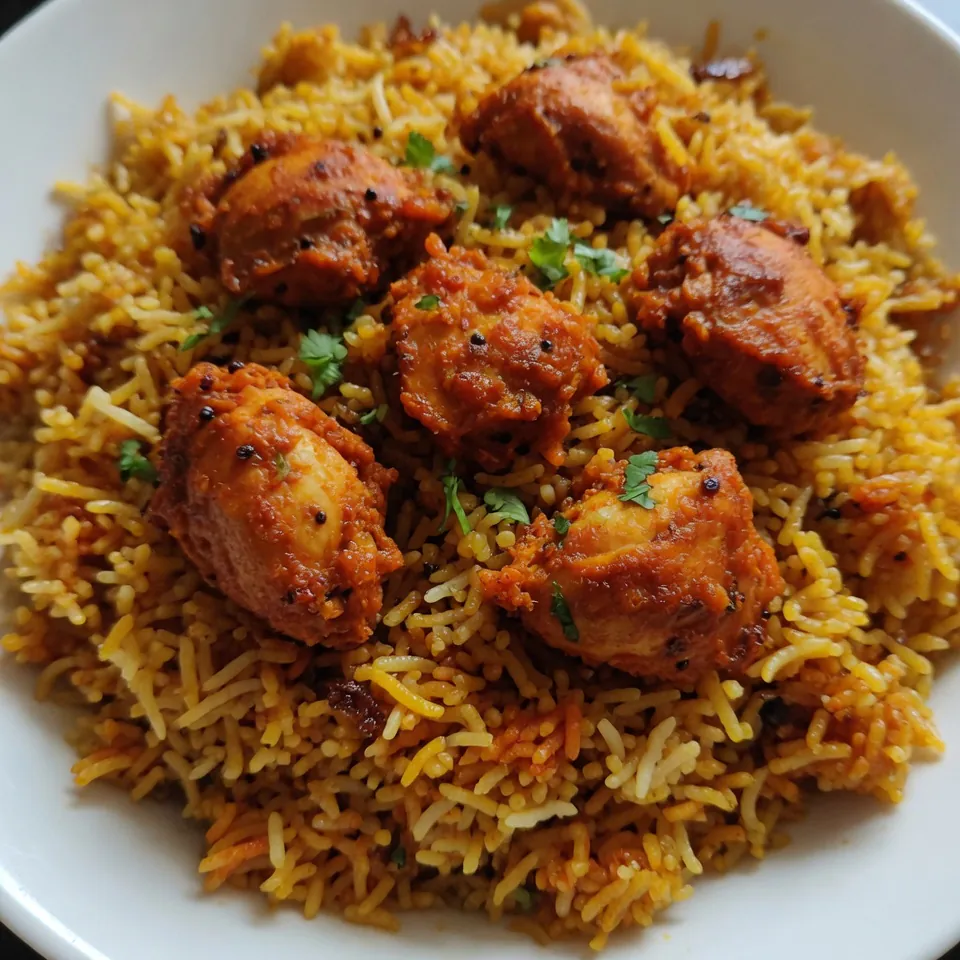
Turn off the heat and let it rest for 5 minutes. This allows the moisture to redistribute so you don’t get soggy bottom rice. Gently fluff with a fork, top with the reserved crispy chicken pieces, and serve.
⚠️ Common Mistakes to Avoid for Perfect Chicken 65 Biryani
1. Overcooking the Rice During the Boil If you cook the rice to 100% done in the water, it will turn to mush during the dum phase. Remember: 70% cooked. It should still have a bite.
2. Skipping the Resting Period It’s tempting to dig in immediately, but cutting into the biryani right away releases all the trapped steam. Letting it rest for 5-10 minutes allows the grains to firm up, making them easier to fluff without breaking.
3. Overcrowding the Frying Pan When frying the Chicken 65, give the pieces space. If the pan is crowded, the temperature drops, and the chicken steams in its own juices rather than frying. You want a crust, not a stew.
4. Ignoring the Salt in the Water When boiling rice, the water should taste slightly salty, like soup. If you don’t salt the water, the rice will be bland, no matter how flavorful the chicken is.
5. Using the Wrong Pot A thin-bottomed pot will burn the masala during the dum phase. Use a heavy pot (cast iron or stainless steel) to distribute heat evenly.
Variations and Customizations
Bone-in vs. Boneless Boneless thighs are my go-to for this recipe because they stay juicy and cook fast. However, if you prefer bone-in chicken for the marrow flavor, increase the frying time and ensure the meat is cooked through before layering.
Vegetarian Swaps You can swap the chicken for paneer or even cauliflower florets. Fry them just the same to get that crispy exterior before layering.
Spice Levels If you want the aroma without the burn, reduce the red chili powder in the marinade but keep the green chilies whole in the masala. This infuses the flavor without releasing too much capsaicin into the sauce.
Serving Suggestions and Pairings
This dish is rich and spicy. You need sides that cool and refresh. A Cucumber Raita is non-negotiable—the cold yogurt and crunchy cucumber provide a necessary contrast to the hot, soft rice. A simple salad of sliced onions, tomatoes, and lime wedges works wonders to cut through the ghee.
For a more traditional spread, serve with Mirchi ka Salan, a tangy chili and peanut curry from Hyderabad. The nutty, tamarind-heavy gravy pairs perfectly with the dry-spice profile of the biryani.
Storage and Reheating Tips
Fridge: Store leftovers in an airtight container for up to 3 days. The flavors often deepen after a day in the fridge.
Freezer: You can freeze it for up to 2 months, though the texture of the crispy chicken will soften. Thaw overnight in the fridge.
Reheating: The microwave is easy, but it can make the rice rubbery. Add a splash of water and cover with a damp paper towel before heating. Better yet, reheat in a pan on low heat with a teaspoon of water to regenerate the steam.
💡 Pro Tips for the Best Chicken 65 Biryani
1. Bloom Your Saffron Don’t just drop saffron strands on top. Soak them in warm milk or water for at least 20 minutes. This extracts the color and flavor compounds (safranal and crocin) effectively, giving you that restaurant-quality aroma.
2. Use Aged Basmati Aged basmati rice has a lower moisture content, which means the grains elongate further during cooking and are less likely to break. Look for packages marked “aged” or “matured.”
3. Don’t Disturb the Layers Once you’ve layered the rice and chicken, do not stir. Stirring breaks the grains and releases starch, making the biryani sticky. Mix gently only when serving.
4. The “Fond” is Your Friend When frying the chicken, brown bits stick to the bottom of the pot. Don’t scrub them out. When you add onions for the masala, they will deglaze the pan, picking up all that concentrated chicken flavor.
Frequently Asked Questions (FAQ)
+Why is it called Chicken 65?
Legend has it that the original Chicken 65 recipe was the 65th item on a menu at a military canteen in Chennai in 1965. The name stuck, and it became a staple of spicy, fried chicken across India.
+Can I use chicken breast instead of thighs?
You can, but be careful. Chicken breast has less fat, so it dries out faster during frying. If using breast, cut pieces slightly larger and reduce frying time by 2-3 minutes to keep them juicy.
+How do I know when the biryani is done?
During the dum cooking, you should smell the aroma filling the kitchen—that’s your cue. If you’re unsure, insert a spoon handle into the side of the pot; if the rice feels fluffy and soft but not mushy, it’s done.
+Can I make this without a heavy-bottomed pot?
Yes. If you only have a thin pot, place a flat skillet (tawa) on the burner and put your pot on top of it. This diffuses the heat and prevents the bottom layer from burning.
+My rice turned out mushy. What happened?
You likely boiled the rice too long initially or used too much water during the dum phase. Remember, the rice only needs to be 70% cooked before layering. It finishes cooking in its own steam.