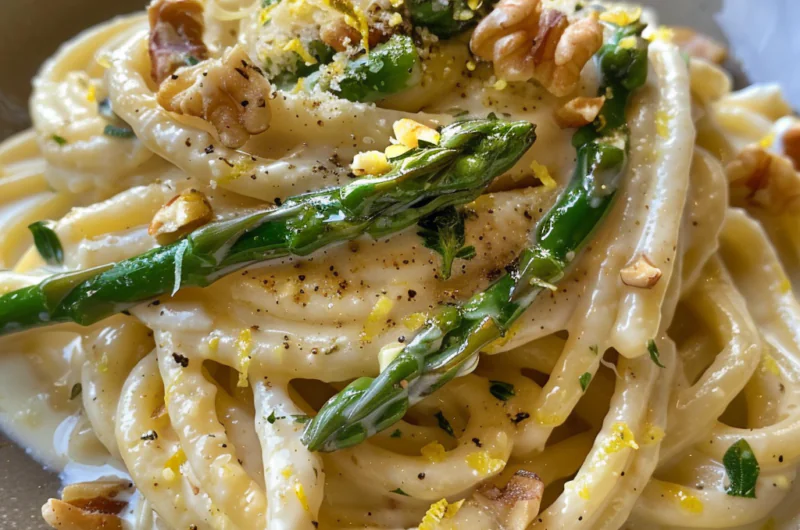
A vibrant, 30-minute vegetarian dinner where the pasta creates its own velvety sauce—no heavy cream required.
📋 In This Article
Introduction
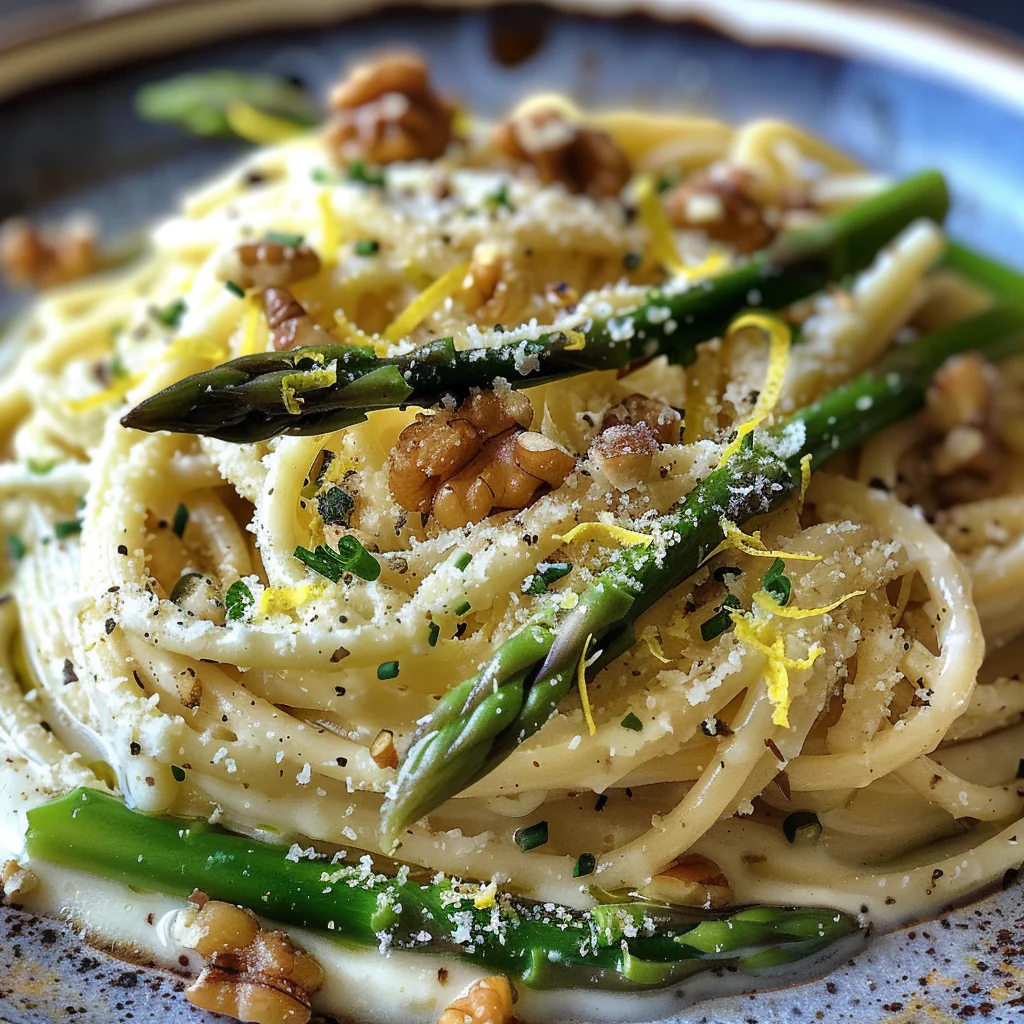
Let’s be honest: weeknight cooking often feels like a race against the clock. That’s exactly where this Creamy One-Pot Lemon Ricotta and Asparagus Pasta with Toasted Walnuts for a Light Vegetarian Dinner comes in to save the day. It’s the kind of meal that feels sophisticated enough for a Saturday dinner party but comes together with the ease of a Tuesday throw-together. The magic lies in the ricotta—not just a filling for lasagna, here it melts into a lush, tangy coating that clings to every noodle, brightened by lemon and punctuated by the earthy crunch of walnuts. It is, quite simply, spring in a bowl.
Why This Recipe Works
This isn’t just “pasta with cheese.” It’s a study in temperature and texture. Most pasta dishes rely on butter or heavy cream for richness, but ricotta offers a lighter, fluffier profile. The trick is treating it right. When you fold ricotta into hot pasta off the heat, the residual warmth softens the proteins without causing them to separate (a common issue if you cook it directly over high heat). The result? A sauce that is naturally thick and incredibly stable.
Then there’s the asparagus. We sauté it quickly to achieve that perfect crisp-tender bite. If you’ve ever had mushy asparagus in a pasta, you know it ruins the experience. By cooking the spears in the same pot used for the pasta, they absorb the starch from the water, helping any seasoning stick better to the surface. Finally, the walnuts. We toast them to trigger the Maillard reaction, deepening their flavor from merely “nutty” to rich and aromatic, providing a necessary contrast to the soft pasta.
Ingredients
For the Pasta & Sauce
- 1 pound dried pasta (short shapes like penne or farfalle catch the sauce best)
- 1 tablespoon olive oil
- 1 bunch asparagus (about 1 pound), woody ends trimmed, cut into 1-inch pieces
- 4 cloves garlic, minced
- 1 teaspoon kosher salt, plus more for pasta water
- 1/4 teaspoon freshly ground black pepper
- 1 (15-ounce) container whole milk ricotta cheese (do not use low-fat; it breaks easily)
- 2 ounces finely grated Parmesan cheese (about 1/2 cup)
- Zest of 1 medium lemon (about 2 teaspoons)
- 3 tablespoons freshly squeezed lemon juice
- 1/2 cup reserved pasta water
For the Garnish
- 1/2 cup toasted walnuts, roughly chopped
- Red pepper flakes (optional)
- Extra lemon zest and Parmesan for serving
Step-by-Step Instructions
- Toast the Walnuts: Start by placing your walnuts in your large pot or Dutch oven over medium heat. Toast them for 3–5 minutes, shaking the pan often, until they smell nutty and fragrant. Remove them from the pot and set aside. Don’t skip this step—raw walnuts have a bitter note that disappears with heat.
- Boil the Pasta: Fill the same pot with water, bring to a boil, and salt it generously (it should taste like the ocean). Add the pasta and cook until just shy of al dente (usually 1 minute less than the package instructions). Before draining, reserve 1 cup of the starchy pasta water. Drain the pasta in a colander.
- Sauté the Asparagus: Wipe the pot dry and return it to the stove over medium heat. Add the olive oil. Once shimmering, add the asparagus and garlic. Sauté for 3–4 minutes. You want the asparagus bright green and crisp-tender. If it starts to brown too fast, lower the heat—garlic burns bitter in seconds.
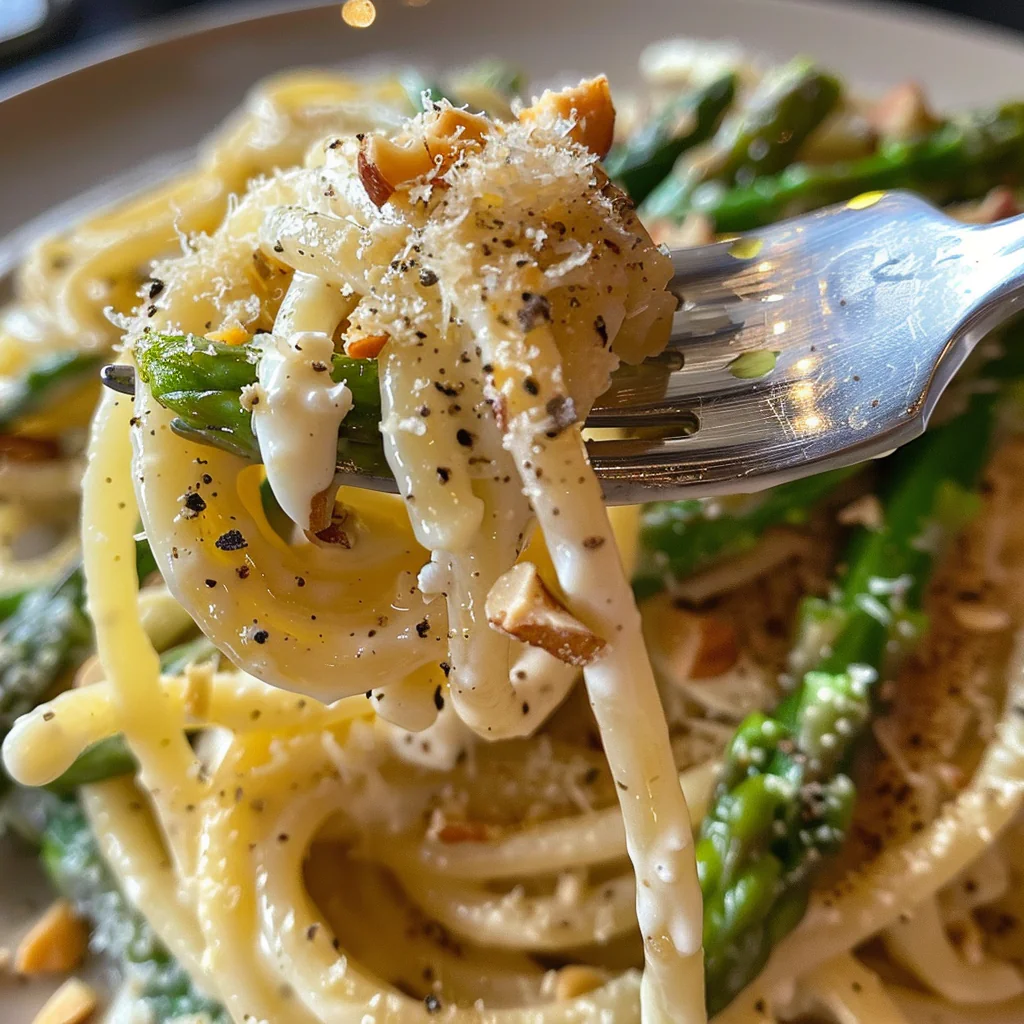
- Create the Sauce Base: Turn the heat to low. Add the ricotta, Parmesan, lemon zest, lemon juice, salt, and pepper to the pot with the asparagus. Pour in about 1/2 cup of the hot reserved pasta water. Stir vigorously until you have a smooth, creamy emulsion.
- The “Mantecatura”: Add the drained pasta back into the pot. Toss constantly for a minute. The pasta will finish cooking in the sauce, absorbing the flavors and releasing more starch to thicken the coating. If the sauce looks too tight, splash in more pasta water, a tablespoon at a time, until it’s silky.
- Serve: Remove from heat immediately. Divide among bowls and top with the toasted walnuts, a pinch of red pepper flakes, and an extra dusting of Parmesan.
⚠️ Common Mistakes to Avoid
Even simple recipes have pitfalls. Here is how to avoid the most common errors with this dish.
Overheating the Ricotta This is the big one. Ricotta is a fresh cheese with high moisture content. If you add it to a screaming-hot pan or try to boil it, the proteins will coagulate tightly, squeezing out water and turning the sauce grainy and curdled. Keep the heat low or off when adding the cheese. The residual heat from the pasta is enough to melt it into a velvety sauce.
Skipping the Pasta Water You cannot make a creamy sauce without liquid. But plain water won’t cut it. You need the starchy pasta water. The starch molecules act as an emulsifier, linking the water and the fat in the cheese, preventing separation and giving the sauce body. Without it, you’ll have a bowl of wet cheese and slippery noodles.
Using Low-Fat Ricotta I tested this with part-skim and fat-free ricotta. The result was a thin, watery sauce with a gummy texture. The fat in whole milk ricotta is essential for the creamy mouthfeel. If you only have low-fat, you may need to add a splash of heavy cream or olive oil to compensate.
Variations & Substitutions
This recipe is a template, not a law. Here are a few ways to adapt it.
Spring Vegetable Swap Asparagus is the star here, but it’s not the only option. Fresh peas, sliced sugar snap peas, or even thinly sliced zucchini ribbons work beautifully. Add them at the same stage as the asparagus, adjusting cooking time as needed so they remain crisp.
The Protein Boost While this is a stellar vegetarian main, you can easily bulk it up. Grilled shrimp or shredded rotisserie chicken are excellent additions. Stir them in at the very end just to warm through. If you want to keep it vegetarian but crave more substance, a can of drained cannellini beans adds protein and creaminess.
Nut Alternatives If walnuts aren’t your preference, try toasted pine nuts for a more classic Italian profile, or crushed pistachios for a pop of color. I even love using toasted breadcrumbs (pangrattato) instead of nuts for a crunch element that feels a bit lighter.
Storage & Reheating Tips
This pasta is best eaten immediately after tossing. However, leftovers happen.
To store, place cooled pasta in an airtight container in the refrigerator for up to 3 days. Note that the sauce will thicken considerably as it chills because the starches retrograde (crystallize).
To reheat, do not use the microwave if you can avoid it—it heats unevenly and ruins the texture. Instead, warm it gently in a skillet over low heat. Add a splash of water or vegetable broth to loosen the sauce, stirring constantly until it returns to a creamy state.
💡 Pro Tips for the Perfect Pasta
Zest Before You Juice Always zest your lemon before squeezing it. Trying to zest a flattened, juice-less lemon is a frustrating exercise in futility. Also, use a microplane for the zest—you want fine, aromatic shards that melt into the sauce, not large chunks of bitter pith.
Salt Your Pasta Water Aggressively Since this sauce relies on just a few ingredients—ricotta, lemon, cheese—every component must be seasoned well. The pasta water is your only chance to season the inside of the noodles. If the water isn’t salty enough, the final dish will taste flat, no matter how much cheese you pile on top.
Save More Water Than You Need I always save a full cup of pasta water, even if I think I’ll only need half. It takes two seconds to pour it out, but it takes ten minutes to boil more if you run out. It’s cheap insurance for a perfect sauce.
Frequently Asked Questions (FAQ)
+Why did my ricotta sauce turn grainy?
Graininess usually happens for two reasons: high heat or lack of starch. Ricotta curdles if cooked over high heat because the proteins tighten up. Always add it off the heat or on very low. If it’s still grainy, you likely didn’t use enough starchy pasta water to emulsify the mixture. A quick blitz with an immersion blender can sometimes save a broken sauce.
+Can I use frozen asparagus instead of fresh?
You can, but the texture will suffer. Frozen asparagus has a higher water content and tends to be mushy once thawed and cooked. If you must use it, thaw it completely and squeeze out as much liquid as possible before sautéing, or roast it directly from frozen to evaporate moisture.
+What is the best pasta shape for this recipe?
Short, textured shapes like penne, rigatoni, or fusilli are ideal. Their tubes and nooks catch the thick ricotta sauce perfectly. Long noodles like spaghetti or fettuccine work, but they tend to slide through the sauce rather than holding onto it.
+Can I make this dish vegan?
Yes, though it requires substitutions. Use a high-quality vegan ricotta (almond or tofu-based) or blend soaked cashews with lemon juice and nutritional yeast for a similar creamy texture. Swap the Parmesan for a vegan alternative or nutritional yeast, and ensure your pasta contains no egg.
+How do I know when the asparagus is perfectly cooked?
Look for a vibrant shift in color. Raw asparagus is a dull, matte green. As it cooks, it turns a bright, vivid green. The moment you see that shift, and the spears can be pierced easily with a paring knife but still offer a little resistance, they are done. They will continue cooking slightly in the residual heat of the sauce.
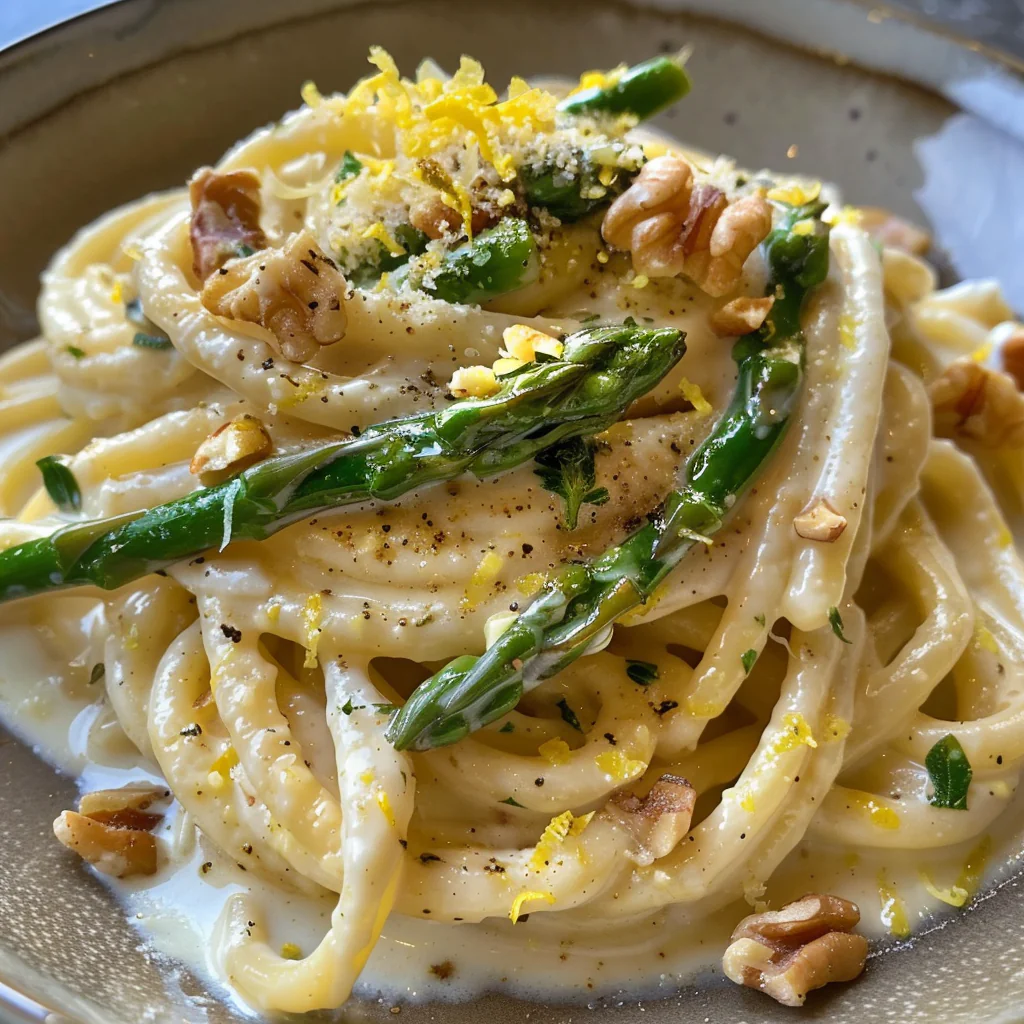
Creamy Lemon Ricotta Pasta with Asparagus
Ingredients
Method
- Bring a large pot of salted water to a boil in a Dutch oven or large pot. Add 1 pound dried spaghetti and cook according to package directions for al dente. Reserve 1 1/2 cups of the pasta water. Drain the pasta.
- Heat 1 tablespoon olive oil in the same Dutch oven over medium heat until shimmering. Add 1 bunch chopped asparagus, 4 minced garlic cloves, 1/2 teaspoon of the kosher salt, and 1/4 teaspoon black pepper. Cook until the asparagus is bright green and crisp-tender, 1 to 3 minutes. Remove the Dutch oven from the heat.
- Add 1 (about 15-ounce) container whole-milk ricotta cheese, 1 cup of the reserved pasta water, 2 ounces finely grated Parmesan cheese, the finely grated zest of 1 medium lemon, 3 tablespoons lemon juice, and the remaining 1/2 teaspoon kosher salt. Stir until the ricotta is melted and the sauce is creamy.
- Add the spaghetti and toss to coat. If you'd like a thinner sauce, toss in more pasta water a few tablespoons at a time. Taste and season with more kosher salt as needed. Garnish with more grated Parmesan cheese, freshly ground black pepper, and lemon zest if desired.
- Recipe Notes
Nutrition
Notes
- To ensure your pasta is perfectly al dente, taste it a minute or two before the package instructions suggest; it should have a slight bite to it.
- Prevent a dry sauce by reserving plenty of pasta water; add it gradually until you reach your desired creaminess when mixing in the ricotta.
- If you're short on ricotta, substitute with mascarpone for a similar creamy texture, or use cottage cheese for a lighter option—just blend it until smooth.
- For the best flavor, zest the lemon before juicing it; this way, you can maximize the aromatic oils from the peel without wasting any zest.
- Store leftovers in an airtight container in the fridge for up to 3 days; when reheating, add a splash of reserved pasta water and warm gently over low heat to maintain creaminess.