Seafood Recipes

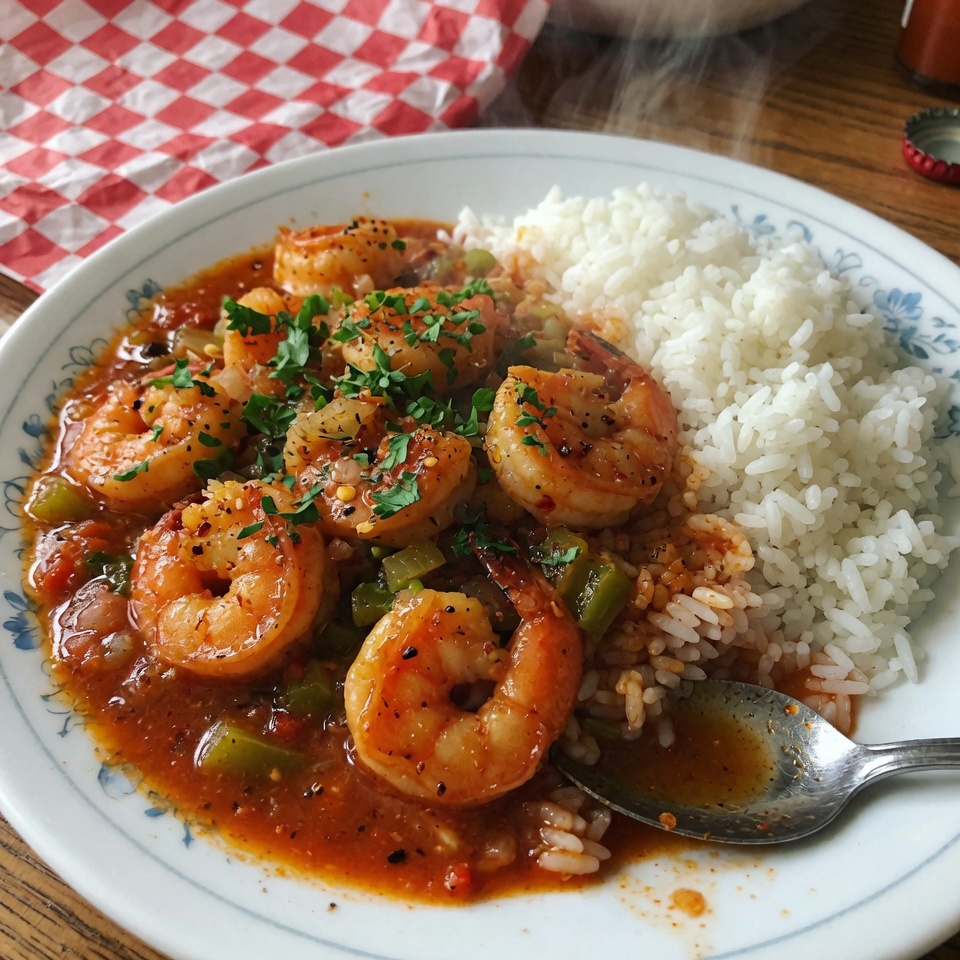
Spicy Shrimp Creole with Fluffy White Rice

0 comments

Bold, tomato-rich Creole sauce loaded with tender shrimp and the Holy Trinity — on the table in 45 minutes.

Introduction

There’s a specific kind of magic that happens when Spicy Shrimp Creole hits the table. It’s the kind of dish that makes everyone quiet for a moment — that first bite of succulent shrimp swimming in a deeply seasoned tomato gravy, ladled over rice that soaks up every bit of flavor. This is Louisiana comfort food at its most approachable.

Unlike its thicker, roux-based cousin etouffee, Creole leans on tomatoes for body and acidity. That means no standing over a pot, stirring flour and fat for 45 minutes. Instead, you’re building layers quickly: sweating the Holy Trinity until it softens and sweetens, blooming spices in hot fat, then letting everything simmer into something that tastes like it took all day. It didn’t. This recipe comes together in about 45 minutes, which makes it realistic for a Tuesday.

Why This Recipe Works

Most Shrimp Creole recipes fall into one of two camps: aggressively simplified (dump everything in a pot and pray) or unnecessarily complicated (make your own shrimp stock from shells, then a dark roux). This one splits the difference.

The technique here relies on caramelization — not just softening the onions, celery, and bell peppers, but letting them take on a little color. That browning creates new flavor compounds through the Maillard reaction, giving the sauce a savory depth you don’t get from a quick sweat. Then comes the fond — those browned bits stuck to the pan after sautéing. When you add the tomatoes and broth, you deglaze the pan, scraping up all that concentrated flavor and dissolving it back into the sauce.

I tested this recipe side-by-side with a version where I rushed the vegetable step. The rushed version tasted flat, like tomato soup with shrimp. The properly browned version had a richness that made my wife ask if I’d added cream. I hadn’t. That’s the power of patience in the pan.

The Holy Trinity & Key Spices

At the center of this dish lies the Holy Trinityonions, celery, and bell peppers. This aromatic base is non-negotiable in Creole and Cajun cooking. When you cook these vegetables slowly in fat, their natural sugars concentrate and their water content evaporates. The result is a sweet, savory foundation that supports everything else.

Then there’s the spice blend. Creole seasoning typically includes cayenne pepper for heat, paprika for color and mild sweetness, garlic powder for depth, and dried herbs like thyme and oregano. The cayenne is what you notice first — a gentle burn that builds — but the other spices round it out so the heat doesn’t feel one-dimensional.

One important distinction: Creole cuisine historically incorporates tomatoes, while Cajun cuisine often doesn’t. That’s why Shrimp Creole has that vibrant red sauce, while dishes like etouffee get their richness from a roux. The tomatoes here do more than add color — their acidity balances the sweetness of the sautéed vegetables and cuts through the richness of the shrimp.

Ingredients You’ll Need

Produce

  • 1 medium onion, finely chopped
  • 1 stalk celery, finely diced
  • 1 green bell pepper, diced
  • 3 cloves garlic, minced
  • 2 tablespoons fresh parsley, chopped (for garnish)
  • 2 green onions, sliced (for garnish)

Seafood

  • 1 pound large shrimp, peeled and deveined (fresh or thawed frozen)

Pantry

  • 1 can (14.5 oz) diced tomatoes (fire-roasted adds nice depth)
  • 2 tablespoons tomato paste
  • 1 cup chicken broth (or seafood broth)
  • 1 tablespoon Worcestershire sauce
  • 2 teaspoons hot sauce (adjust to your heat tolerance)
  • 2 tablespoons cooking oil (vegetable or canola)
  • 2 tablespoons butter
  • 2 teaspoons Creole seasoning (plus more to taste)

Rice

  • 1 cup long-grain white rice
  • 1½ cups water
  • ½ teaspoon salt
fresh ingredients for Spicy Shrimp Creole & Fluffy White Rice
fresh ingredients for Spicy Shrimp Creole & Fluffy White Rice | momycooks.com

Step-by-Step Instructions

Step 1: Cook the Rice

Rinse the rice under cold water until the water runs clear. This removes surface starch that would otherwise make the grains clump together. Combine the rinsed rice, water, and salt in a saucepan. Bring to a boil, then reduce heat to low, cover, and simmer for 15 minutes. Remove from heat and let it sit, still covered, for 5 minutes. Fluff with a fork.

Here’s the thing: every rice brand behaves slightly differently. If your rice is still crunchy after 15 minutes, add 2 tablespoons of water, cover, and cook another 2-3 minutes.

Step 2: Build the Aromatic Base

Heat the oil in a large skillet or Dutch oven over medium heat. Add the onion, celery, and bell pepper along with a pinch of salt. Cook, stirring occasionally, for 8-10 minutes. You want the vegetables softened and starting to take on some golden-brown color — not just translucent.

This browning step matters more than you think. The Maillard reaction creates hundreds of new flavor compounds that a quick sweat never will.

Step 3: Bloom the Garlic and Spices

Add the garlic and Creole seasoning to the pan. Cook for about 1 minute, stirring constantly, until fragrant. The garlic should smell sweet and nutty, not sharp. If it starts to brown too quickly, pull the pan off the heat for a moment.

Blooming spices in hot fat extracts their fat-soluble flavor compounds and distributes them throughout the dish. This is why the seasoning tastes integrated rather than sprinkled on top.

Step 4: Build the Sauce

Add the tomato paste and cook for 1 minute, stirring to coat the vegetables. Then pour in the diced tomatoes (with their juices), chicken broth, Worcestershire sauce, and hot sauce. Scrape the bottom of the pan with a wooden spoon to release any fond — those browned bits are pure concentrated flavor.

Bring the mixture to a simmer, then reduce heat to medium-low and let it cook for 10-15 minutes, until the sauce thickens slightly and the flavors meld. Taste and adjust the seasoning. Need more heat? Add hot sauce. Too acidic? A pinch of sugar balances it out.

Step 5: Cook the Shrimp

Add the shrimp to the sauce, stirring to coat. Cook for 2-3 minutes, until the shrimp are pink and opaque. Do not walk away. Shrimp overcook in seconds, and overcooked shrimp turn rubbery because the proteins tighten and squeeze out moisture.

The first time I made this dish, I got distracted by a text message and came back to shrimp with the texture of pencil erasers. Learn from my mistake.

Step 6: Finish and Serve

Remove from heat and stir in the butter. This adds a silky richness and helps emulsify the sauce. Serve immediately over the fluffy white rice, garnished with fresh parsley and sliced green onions.

💡 Pro Tips for the Best Results

Don’t skip the tomato paste. It concentrates the tomato flavor and adds body to the sauce without needing a roux. Cook it for a minute to caramelize its sugars slightly.

Use fire-roasted tomatoes if you can find them. The charring adds a subtle smokiness that plays well with the Creole seasoning.

Taste as you go. Creole seasoning blends vary wildly in salt and heat levels. Start with less, taste, and add more.

Don’t overcook the shrimp. I’m repeating this because it’s the most common mistake. Two to three minutes is usually all you need for large shrimp.

Make your own Creole seasoning. If you have paprika, cayenne, garlic powder, onion powder, dried thyme, dried oregano, and black pepper, you can blend your own. This lets you control the salt and heat.

Prep ahead. Chop the vegetables and measure the spices the night before. The actual cooking goes fast.

⚠️ Common Mistakes to Avoid

Overcooked shrimp. This is the number one complaint about shrimp dishes. Pull the shrimp when they’re just opaque — they’ll continue cooking in the residual heat of the sauce.

Under-seasoned sauce. The vegetables and tomatoes need salt to bring out their flavor. Season the Holy Trinity when you add it to the pan, then taste the finished sauce and adjust.

Watery sauce. If your sauce is too thin, let it simmer uncovered for a few more minutes to reduce. The liquid evaporates and the flavors concentrate.

Burnt garlic. Garlic goes from golden to bitter in seconds. Add it after the vegetables have softened, and keep the heat moderate.

Soggy rice. Use the correct water ratio (1½ cups water to 1 cup long-grain rice), and don’t lift the lid while it cooks. Steam is doing the work.

Variations and Serving Suggestions

Add other seafood. Crawfish tails, chunks of white fish, or even lump crab meat work beautifully. Add firmer fish with the shrimp; add crab at the very end just to warm through.

Make it vegetarian. Skip the shrimp and add okra (add it early so it cooks through) or kidney beans for protein. Use vegetable broth instead of chicken broth.

Serve with cornbread. A wedge of skillet cornbread is traditional and perfect for sopping up extra sauce.

Add heat. Dice a fresh jalapeño or serrano pepper into the Holy Trinity if you like things spicy. Or serve with bottled hot sauce on the side so everyone can adjust their own.

Storage and Reheating

Store the shrimp Creole and rice separately in airtight containers. The Creole will keep in the refrigerator for up to 3 days. Reheat gently in a skillet over medium-low heat, adding a splash of broth or water if the sauce has thickened too much.

The rice is best used within 2 days. Reheat with a damp paper towel over it to add moisture.

You can freeze the shrimp Creole for up to 2 months, but the texture of the shrimp may suffer slightly upon reheating. Thaw overnight in the refrigerator before warming.

Frequently Asked Questions (FAQ)

+Can I use frozen shrimp?

Yes. Thaw them completely and pat dry before adding to the sauce. Excess moisture from partially frozen shrimp can water down the sauce.

+What’s the difference between Creole and Cajun seasoning?

Creole seasoning typically includes herbs like thyme and oregano and often has a tomato component in the cuisine. Cajun seasoning tends to be spicier and simpler, focusing on cayenne, paprika, and garlic. They’re interchangeable in this recipe, but taste and adjust.

+How do I know when the shrimp are done?

Shrimp cook quickly — usually 2-3 minutes for large shrimp. They’re done when they turn pink and opaque and curl slightly. If they’re tightly curled into a circle, they’re overcooked.

+Can I make this less spicy?

Absolutely. Reduce or omit the hot sauce and use less Creole seasoning. You can always add more at the table.

+What can I substitute for celery?

If you don’t have celery, you can omit it or substitute with diced fennel for a different but pleasant flavor. The dish won’t be traditional, but it will still be good.

+Can I make this in a slow cooker?

You can, but the texture changes. Sauté the vegetables on the stovetop first, then transfer to a slow cooker with the tomatoes, broth, and seasonings. Cook on low for 4-5 hours. Add the shrimp during the last 15-20 minutes.

Leave a Comment

Your email address will not be published. Required fields are marked *

*