

Introduction
As Thanksgiving approaches, many families look forward to gathering around the table for a feast. One dish that often takes center stage is classic buttery herb stuffing, which pairs perfectly with turkey and all the fixings. This recipe combines the comforting flavors of buttery bread, aromatic herbs, and a touch of savory broth to create a side dish that everyone will love.
Our favorite buttery herb stuffing is not just a staple; it’s a cherished tradition that evokes fond memories and warm family gatherings. Crafted with simple ingredients, this stuffing can elevate any Thanksgiving dinner while providing that homey, comforting feeling. The blend of herbs and toasted bread creates a delightful texture and flavor that makes each bite a little piece of heaven.
Ingredients
- 1 loaf of day-old rustic bread, cubed
The bread serves as the base of the stuffing, providing the structure and texture. Using day-old bread allows it to absorb the flavors of the broth and seasonings without becoming mushy. - 1 stick unsalted butter (1/2 cup)
Butter adds richness and flavor, ensuring the stuffing remains moist. It also helps in sautéing the vegetables, enhancing the overall taste. - 1 medium onion, diced
Onion contributes a savory sweetness and depth to the stuffing, complementing the herbs. Sautéing it in butter mellows its sharpness, blending harmoniously with the other ingredients. - 2 celery stalks, chopped
Celery adds a crisp texture and fresh flavor that balances the richness of the stuffing. It also infuses the dish with an earthy undertone. - 3 garlic cloves, minced
Garlic introduces a fragrant, robust flavor that enhances the overall taste profile of the stuffing, ensuring it’s aromatic and flavorful. - 2 teaspoons dried sage
Sage is a traditional herb for stuffing, providing a warm, earthy aroma and taste. It pairs well with poultry, making it a must-have for Thanksgiving. - 2 teaspoons dried thyme
Thyme brings a subtle complexity to the stuffing with its slightly minty flavor. It balances well with sage, complementing the dish beautifully. - 1 teaspoon dried rosemary
Rosemary contributes a pine-like, aromatic flavor that adds depth and enhances the stuffing's overall herbal character. - 1/2 teaspoon salt
Salt enhances all the flavors in the stuffing, making each ingredient more pronounced. It’s crucial to include it in moderation. - 1/2 teaspoon black pepper
Black pepper adds a hint of heat and a subtle spiciness, enhancing the overall flavor without overpowering the other herbs. - 3-4 cups low-sodium vegetable or chicken broth
Broth not only hydrates the bread but also infuses the stuffing with flavor. Low-sodium options allow control over saltiness. - 1/4 cup fresh parsley, chopped
Fresh parsley brightens the stuffing with a touch of color and freshness, countering the richness of the butter and herbs. - 1/2 cup chopped pecans or walnuts (optional)
Nuts add a delightful crunch and earthy flavor. They provide an added textural element to the stuffing, enhancing the overall experience.
Directions & Preparation
Step 1: Preheat your oven to 350°F (175°C).
Preheating the oven ensures that the stuffing cooks evenly from the start. A hot oven will help create that golden, crispy top while keeping the inside moist.
Step 2: In a large skillet, melt the butter over medium heat. Add the diced onion, chopped celery, and minced garlic.
Sautéing the vegetables in butter softens them and releases their flavors, laying a solid flavor foundation for your stuffing. Stir occasionally until they are translucent and fragrant, about 5-7 minutes.
Step 3: Stir in the dried herbs, salt, and pepper, and cook for another minute.
This step helps release the essential oils from the herbs, intensifying their flavors. It also allows the seasonings to meld with the sautéed vegetables, creating a fragrant mixture.
Step 4: In a large mixing bowl, combine the cubed bread, sautéed mixture, and chopped nuts (if using).
Combining the bread with the sautéed mixture is crucial for even flavor distribution. The bread will soak up the savory juices, creating that perfect stuffing texture.
Step 5: Gradually pour in the broth, stirring gently to combine until the bread is moist but not soupy.
Adding broth slowly helps you gauge the right moisture level for your stuffing. You want it to be moist enough to hold together but firm enough to maintain structure when baked.
Step 6: Fold in the chopped parsley for a burst of freshness.
Adding fresh herbs at this stage retains their color and flavor, providing a bright contrast to the rich stuffing. It also enhances the visual appeal.
Step 7: Transfer the mixture into a greased baking dish, spreading it out evenly.
Spreading the stuffing evenly in the baking dish helps it cook uniformly and results in a delightful crispy top layer. A greased dish ensures easy serving.
Step 8: Cover the dish with aluminum foil and bake for 25 minutes.
Covering the stuffing initially allows it to steam, keeping it moist. After 25 minutes, uncovering it will start browning the top, creating a delicious contrast in textures.
Step 9: Remove the foil and bake for an additional 15-20 minutes, or until golden brown.
This final baking step is crucial for developing a crispy top. Keep an eye on it to prevent over-browning; remember, all ovens vary in heat distribution.
Step 10: Let it rest for about 10 minutes before serving.
Resting allows the flavors to settle and the stuffing to firm up slightly, making it easier to serve. It also enhances the overall flavor as everything melds together.

Choosing the Right Bread Makes a Difference
While any rustic bread can work, opting for a hearty loaf—like sourdough or ciabatta—provides structure and allows for optimal absorption of flavor. The drier the bread, the better it will soak up the broth, preventing the stuffing from becoming soggy. Day-old bread is best, as it has a chance to become a little stale, which adds the ideal texture for stuffing.
Herbs: The Heart of Flavor in Stuffing
Herbs are indispensable in achieving the aromatic and savory profile of stuffing. Sage, thyme, and rosemary combine to create the quintessential Thanksgiving flavor experience. Feel free to explore other herbs like marjoram or tarragon; just be cautious with stronger varieties to avoid overpowering the dish.
Texture Counts: A Perfectly Balanced Stuffing
The ideal stuffing strikes a perfect balance between soft and crispy. Mixing in nuts not only adds crunch but also enhances the overall flavor complexity. For a varied texture, consider adding sautéed mushrooms or even diced apples for a hint of sweetness to counter the savory elements.
FAQs
What if my stuffing is too dry?
If the stuffing is dry, you can add extra broth gradually while baking, ensuring even distribution to moisten it up before serving.
Can I make this stuffing gluten-free?
Yes, using gluten-free bread will work. Just ensure the other ingredients, like broth and nuts, are also gluten-free.
What if the stuffing is too thick?
If the stuffing appears too thick before baking, simply stir in a bit more broth until the desired consistency is achieved.
Can I add sausage to this stuffing?
Yes, adding cooked sausage can introduce a savory, meaty flavor to the stuffing, making it even heartier.
How can I adjust the seasoning to my taste?
Taste the mixture before baking and adjust seasoning, adding more herbs, salt, or pepper as needed for a well-rounded flavor.
Is it okay to use other types of nuts in the recipe?
Definitely! Almonds or pine nuts can add unique flavors and textures—choose based on your preference.
Conclusion
Our favorite buttery herb stuffing is a testament to family traditions and the joy of festive gatherings. This recipe not only fills your home with enticing aromas but also offers comfort in every bite. As you prepare this dish, cherish the moments shared around the table, knowing it’s a part of creating lasting memories.
Whether you stick to the classic version or choose to experiment with additional ingredients, this stuffing will undoubtedly be a standout star of your Thanksgiving feast. Make it a tradition for years to come, and enjoy the rich flavors of home cooking at its best.
Recipe Card
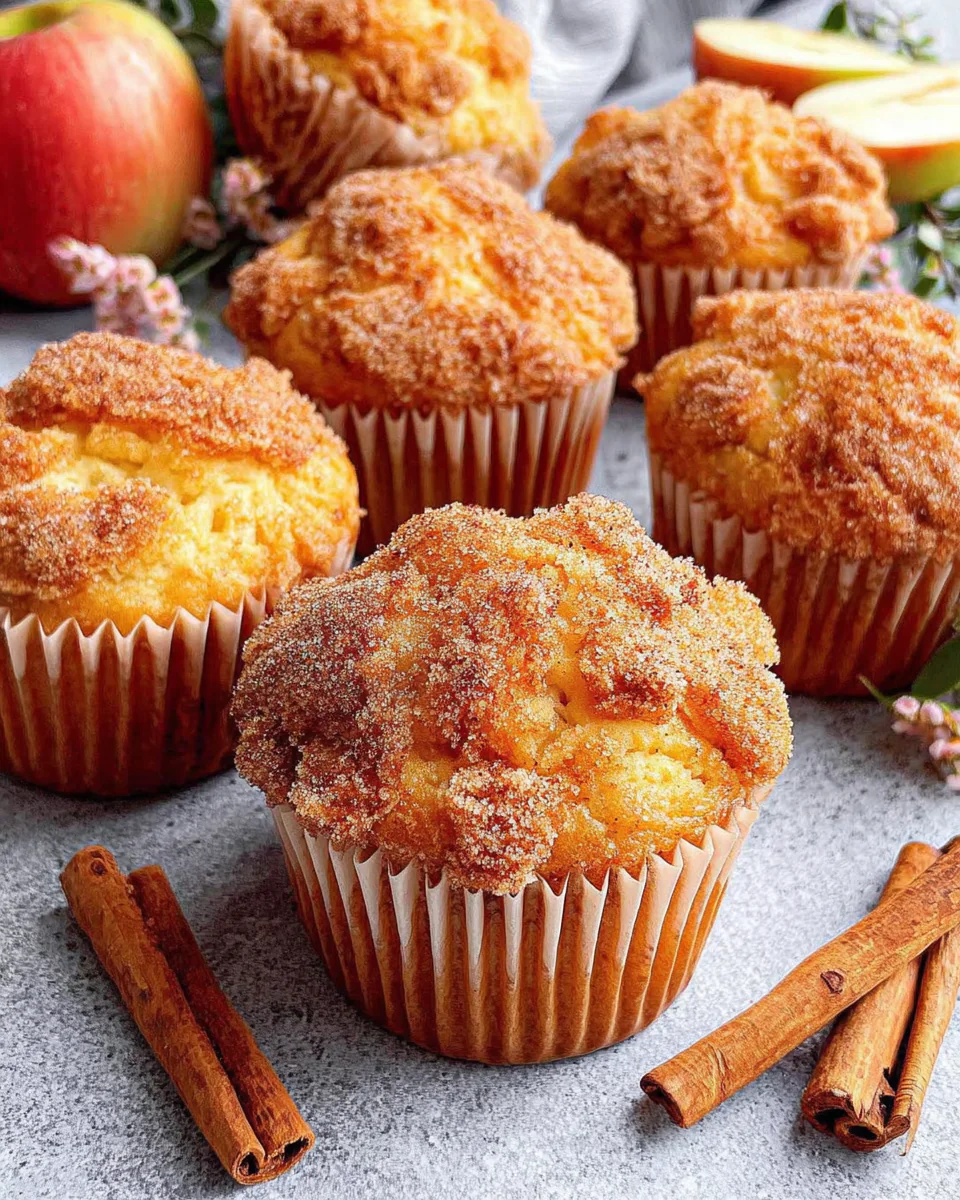
Irresistible Apple Cinnamon Muffins You Must Try
Ingredients
Method
- Preheat your oven to 350°F (175°C).
- Line a muffin tin with paper liners.
- In a large mixing bowl, combine the dry ingredients: flour, sugar, baking powder, baking soda, salt, and cinnamon.
- In a separate bowl, whisk together the egg, melted butter, and milk.
- Pour the wet mixture into the dry ingredients and stir until just combined.
- Fold in the diced apples and nuts if using.
- Scoop the batter into the prepared muffin tin, filling each cup about ¾ full.
- Bake for 18-20 minutes or until a toothpick inserted comes out clean.
- Allow the muffins to cool in the pan for 5 minutes, then transfer to a wire rack.
- Serve warm or at room temperature.
Tried this recipe?
Let us know how it was!Notes
Additional serving suggestions: pair with a crisp salad, garlic bread, or roasted seasonal vegetables for balance.
For make-ahead, prep components separately and assemble just before heating to preserve texture.
Taste and adjust with acid (lemon/vinegar) and salt right at the end to wake up flavors.