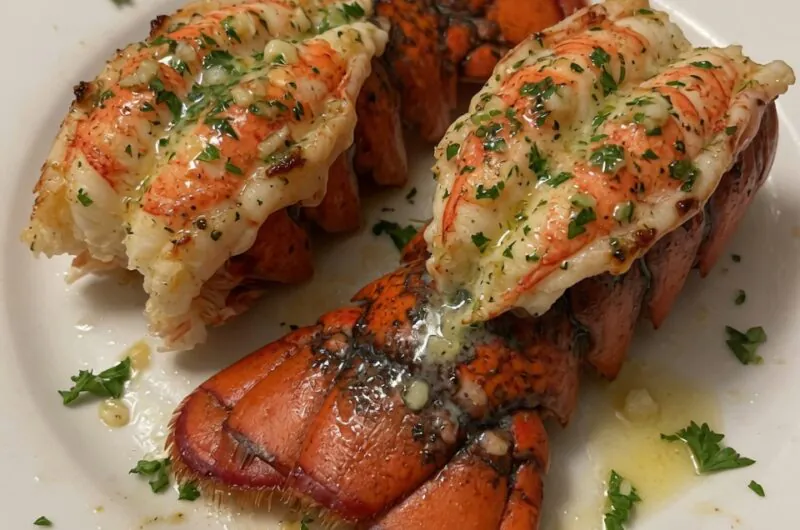
Succulent lobster tails roasted with garlic herb butter—easier than you think and ready in under 20 minutes.
📋 In This Article
- Introduction
- Why Baked Lobster Tails Are the Best: Simplicity Meets Culinary Excellence
- The Ultimate Garlic Herb Butter: Elevating Your Lobster
- Ingredients You’ll Need for Amazing Baked Lobster
- Step-by-Step Instructions: How to Bake Lobster Tails Perfectly
- Pro Tips for Tender, Flavorful Baked Lobster
- Common Mistakes to Avoid When Baking Lobster Tails
- Serving Suggestions: What to Pair with Your Elegant Lobster
- Storage and Reheating Baked Lobster Tails
- Variations on Your Baked Lobster Tail Recipe
- Frequently Asked Questions About Baked Lobster Tails
Introduction
Baked Lobster Tails With Garlic Herb Butter often feel like a restaurant-only luxury, but they are surprisingly easy to master at home. The secret lies in the method: baking (and a quick broil) concentrates the natural sugars in the meat rather than diluting them in a pot of boiling water. This recipe relies on high heat to render the fat in the butter and drive the garlic flavor deep into the meat, while keeping the texture tender. I used to think lobster required a massive pot of boiling water and a bib, but the oven is actually the superior tool for tails. It gives you control, visibility, and a built-in vessel for that glorious garlic butter sauce.
Why Baked Lobster Tails Are the Best: Simplicity Meets Culinary Excellence
There is a specific kind of magic that happens when you bake lobster tails instead of boiling them. When you drop a tail into boiling water, the flavor leaches out into the pot—not ideal for a premium ingredient. Baking keeps those juices right where they belong. The dry heat of a 425°F oven allows the shell to turn a brilliant red while the meat cooks gently in its own juices, enhanced by the garlic herb butter you’ve slathered on top. Crab Stuffed Mushrooms with Creamy Cheese & Herb Filling.
Texture is the other major factor. Boiled lobster can easily become waterlogged. Baking ensures the meat remains firm and sweet. The butterflying technique—splitting the shell and pulling the meat up—increases the surface area for the Maillard reaction to occur if you finish it under the broiler. This reaction creates hundreds of new aromatic compounds, adding a savory depth that a simple boil can never achieve. You get a tender, flavorful result with minimal cleanup.
The Ultimate Garlic Herb Butter: Elevating Your Lobster
You can’t just throw a tail in the oven and hope for the best. The vehicle for flavor here is the compound butter. We aren’t just melting butter; we are building an emulsion of fat, acid, and aromatics.
Start with unsalted butter. This is non-negotiable. Lobster is naturally briny, and salted butter can push the seasoning over the edge. By using unsalted butter, you control the salinity. You want the butter softened so it emulsifies properly with the lemon juice and herbs. If you melt it completely, the lemon juice will separate and make a greasy mess. Softened butter creates a cohesive paste that clings to the meat.
For aromatics, use fresh garlic and parsley. Dried parsley tastes like dust; fresh parsley adds a grassy, bright note that cuts through the richness of the shellfish. The garlic should be minced finely so it melts into the butter without leaving acrid, burnt chunks during the high-heat bake.
Ingredients You’ll Need for Amazing Baked Lobster
Quality matters here. Lobster is expensive; don’t ruin it with stale ingredients.
- 4 (8-ounce) lobster tails: Cold-water tails (often from Maine, Canada, or Australia) are sweeter and firmer than warm-water tails. Look for tails that are frozen solid or freshly thawed, never mushy.
- 4 tablespoons (1/2 stick) unsalted butter: Softened to room temperature. Cold butter won’t spread evenly.
- 1 tablespoon fresh parsley: Finely chopped. Don’t skimp—this adds necessary color and freshness.
- 2 cloves garlic: Minced. Use a microplane for a paste-like consistency that distributes flavor better.
- 1 medium lemon: You’ll need the zest and the juice. The acid “cooks” the proteins slightly and brightens the heavy butter.
- 1/2 teaspoon kosher salt: Essential for bringing out the sweetness.
- 1/4 teaspoon freshly ground black pepper: Adds a mild heat.
- 1/2 teaspoon paprika: Mostly for color, giving the meat that appetizing reddish hue.
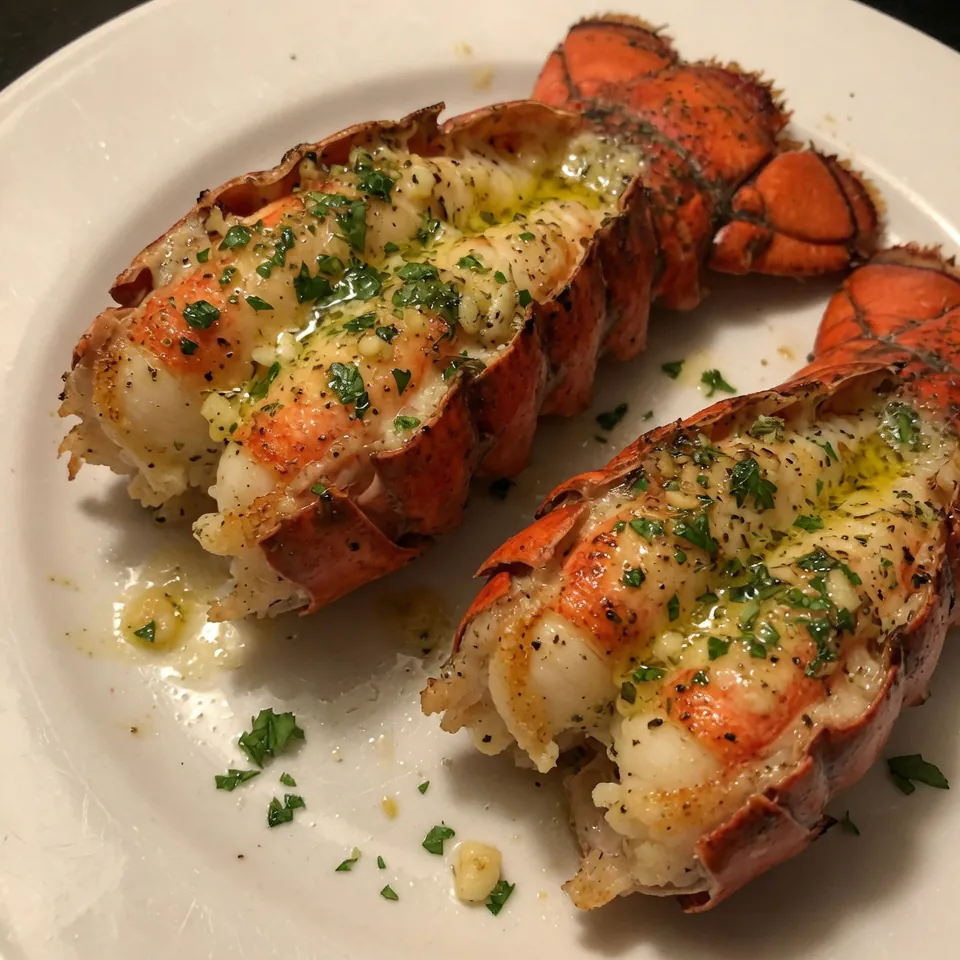
Step-by-Step Instructions: How to Bake Lobster Tails Perfectly
1. Prep the Oven and Tails Preheat your oven to 425°F (220°C). Line a rimmed baking sheet with parchment paper for easy cleanup. Using kitchen shears, cut down the center of the top shell, stopping just before you hit the tail fan. Be careful not to cut through the bottom shell or the meat.
2. Butterfly the Lobster This step looks fancy but takes ten seconds. Gently pry the shell open with your thumbs. Loosen the meat from the side membranes but leave it attached at the fan. Lift the meat up and out, then press the shell halves back together underneath the meat to create a “saddle” for it to rest on. This ensures the meat cooks evenly rather than staying insulated inside the shell.
3. Make the Compound Butter In a small bowl, mash the softened butter, garlic, parsley, lemon zest, salt, pepper, and paprika with a fork until fully combined. It should look like a rough paste.
4. Season and Roast Place the butterflied tails on the baking sheet. Spread the garlic butter mixture generously over the exposed meat of each tail. Bake at 425°F for 12 to 14 minutes.
5. The Broiler Finish (Optional but Recommended) For a golden, appetizing crust, switch your oven to broil for the final 1 to 2 minutes. Watch closely—the high sugar content in the lobster and butter can burn quickly. The goal is a lightly browned top, not a charcoal briquette.
6. Serve Remove immediately. The internal temperature should read 140°F (60°C). Squeeze fresh lemon juice over the tails right before serving to wake up the flavors.
💡 Pro Tips for Tender, Flavorful Baked Lobster
Cooking lobster is a chemistry experiment. Here is how to nail it.
Don’t Overcook. This is the golden rule. Lobster meat contains proteins that tighten rapidly when heated. At 140°F, the proteins have set, but they haven’t expelled all their moisture. Go above 150°F, and the meat becomes rubbery and dry. Carryover cooking is real—remove the tails when the thermometer hits 135°F, and let them rest on the pan for 2 minutes; the residual heat will bring them to the perfect 140°F.
The “White Foam” Mystery. Ever seen a white, foamy substance on cooked lobster? That’s albumin, a protein found in the lobster’s blood. It’s harmless, but it looks unappealing. To minimize it, don’t overcook the lobster. The tighter the proteins squeeze, the more albumin gets pushed out. A quick rinse of the raw meat under cold water before cooking can also help wash some of it away.
Thaw Properly. Most tails are sold frozen. Do not microwave them to thaw. Ideally, thaw them in the refrigerator for 24 hours. If you forgot, seal them in a watertight bag and submerge them in cold water for 30 minutes, changing the water every 15 minutes.
⚠️ Common Mistakes to Avoid When Baking Lobster Tails
Relying on Shell Color. A bright red shell does not guarantee cooked meat. Shells turn red due to a chemical reaction in the carotenoid pigments, which can happen before the meat is fully safe to eat. Always check the meat—it should be opaque and firm, not translucent.
Using Cold Butter. If your butter is cold, it won’t spread over the meat. You’ll end up with patches of melted butter and patches of dry meat. Softened butter is the difference between a coating and a condiment.
Cutting Through the Bottom Shell. If you snip through the bottom shell, the juices and butter will leak out onto the pan, leaving you with dry meat and a burnt mess. Leave the bottom shell intact to act as a flavor vessel.
Serving Suggestions: What to Pair with Your Elegant Lobster
Lobster is rich, so you need sides that cut through the fat.
Acid is Your Friend. Serve with lemon wedges. The acidity balances the sweetness of the lobster and the richness of the butter.
Classic Pairings. A simple rice pilaf or roasted asparagus works beautifully. The pilaf absorbs the excess butter, and the asparagus adds a crisp, vegetal contrast.
Wine. Skip the heavy reds. A chilled Chardonnay (oaked if you like buttery notes, unoaked if you prefer crispness) or a Sauvignon Blanc is the standard pairing. The acidity in the wine mirrors the lemon, cleansing the palate between bites.
Storage and Reheating Baked Lobster Tails
Lobster is best eaten immediately. However, if you have leftovers (a rare occurrence), store them in an airtight container in the refrigerator for up to 2 days.
Reheating Without Ruining. Microwaves are the enemy of leftover lobster. They heat unevenly and destroy the tender texture. Instead, remove the meat from the shell. Place it in a skillet over medium-low heat with a small amount of butter or water. Cover and steam gently for 2 to 3 minutes until just warmed through. This preserves the moisture.
Variations on Your Baked Lobster Tail Recipe
Spicy Kick. Add a pinch of cayenne pepper or red pepper flakes to the butter mixture. Lobster can handle a little heat.
Cheesy Crust. For a “gratin” style, mix Parmesan cheese and panko breadcrumbs into the butter. The broiler will crisp this up into a textured topping that contrasts with the soft meat.
Herb Swaps. Parsley is classic, but tarragon adds a subtle anise flavor that pairs surprisingly well with seafood. Chives offer a mild onion flavor without overpowering the meat.
Frequently Asked Questions About Baked Lobster Tails
+Why is my baked lobster rubbery?
Rubbery lobster is almost always a result of overcooking. Lobster meat cooks quickly; once the internal temperature exceeds 145°F, the muscle fibers contract tightly, squeezing out moisture. Use a thermometer and pull the tails at 135°F to 140°F.
+Do I need to clean the lobster tail before cooking?
You don’t need to scrub it, but you should check for the digestive tract (the black vein running down the center of the meat). While edible, it can be gritty. If you butterfly the tail properly, you can usually lift the meat and remove this vein easily with the tip of a knife or a paper towel.
+Can I bake frozen lobster tails without thawing?
You can, but the results are inferior. The outside will overcook before the inside thaws and cooks through. For the best texture, always thaw completely before baking. If you must cook from frozen, lower the oven temperature to 350°F and bake longer, but expect a less tender result.
+What is the white stuff coming out of my lobster?
That is albumin, a protein. It coagulates when heated. It’s perfectly safe to eat, but large amounts usually indicate the lobster was cooked at too high a temperature or for too long. A gentle bake minimizes this leakage.
+How do I know when lobster tails are done?
The meat should turn from translucent to opaque white. It should feel firm but not hard to the touch. The most accurate method is using an instant-read thermometer inserted into the thickest part of the meat; look for 135°F to 140°F.
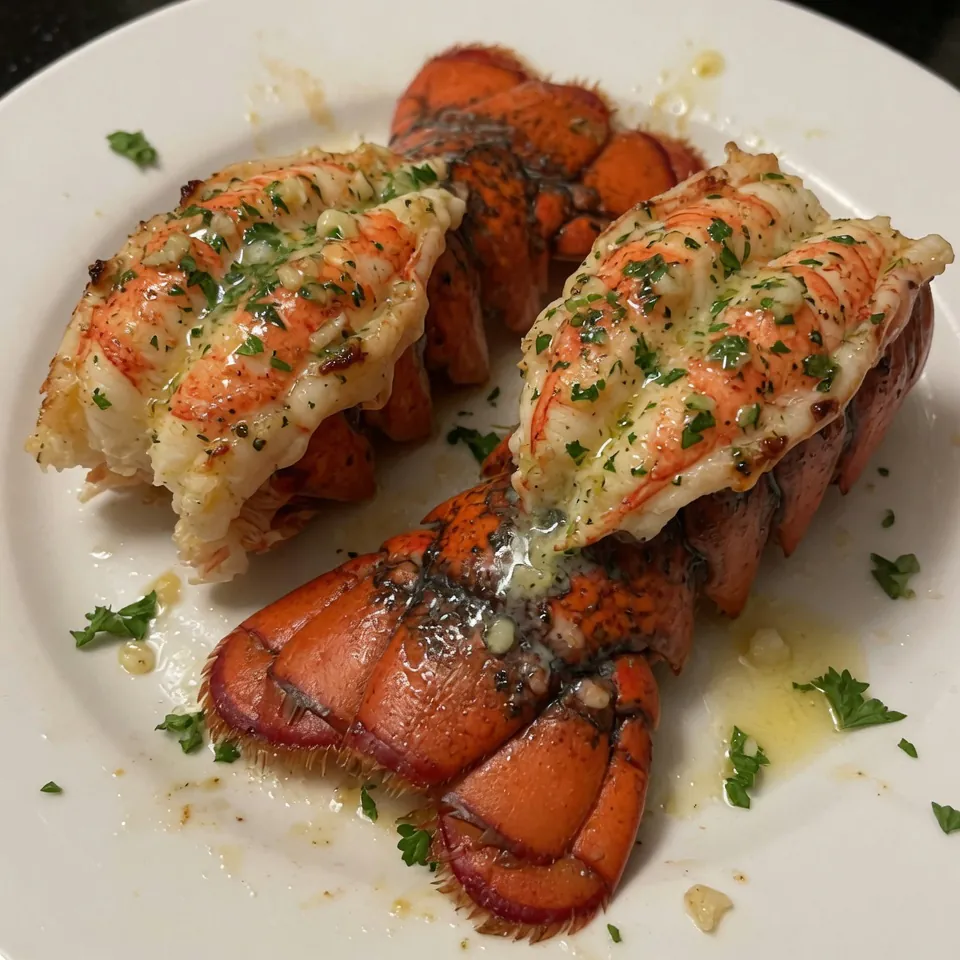
Baked Lobster Tails with Garlic Butter
Ingredients
Method
- Heat the oven to 425ºF. Meanwhile, add enough water to a 9x13-inch baking dish to cover the bottom (about 3/4 cup). Butterfly the lobster tails.
- Pat 4 (about 8-ounce) lobster tails dry and arrange hard shell-side up on a cutting board. Using kitchen shears and starting from the thicker end, cut lengthwise through the top shell on each tail, stopping when you get to the end of the tail.
- Using your fingers, gently pry the meat away from the top shell on either side by working your thumb between the shell and the meat. Gently pry the meat up and away from the bottom shell. All the meat should come out of the shell easily at this point. Place the meat back in the shell. (If the meat sticks to the shell, boil the lobster tails in water for 3 minutes so the meat separates easily from the shell before proceeding with the next step. Check for doneness after 10 minutes in Step 6.)
- Using a chef’s knife or the kitchen shears, cut the tail meat in half lengthwise from where the shell was split, stopping when you get the bottom shell (do not cut through the bottom shell). Open the tail up like a book, flip it over, and gently press down to flatten if needed (cover with a towel before flattening if the shell is sharp).
- Place the tails flesh-side up in a single layer in the baking dish. Cover the baking dish tightly with aluminum foil.
- Bake until the flesh is firm when pressed, cooked through, and the internal temperature registers 135 to 140ºF, 20 to 27 minutes. Meanwhile, halve 1 medium lemon. Cut one half into 4 wedges for serving. Juice the remaining half until you have 2 teaspoons.
- About 5 minutes before the lobster is ready, melt 4 tablespoons unsalted butter in a small saucepan over medium heat. Add the 2 finely chopped garlic cloves and cook until fragrant but not browned, about 20 seconds. Remove the saucepan from the heat. Add 1 tablespoon finely chopped fresh parsley leaves, 2 teaspoons lemon juice, and 1/2 teaspoon kosher salt, and stir to combine.
- When the lobster is ready, transfer to serving plates and drizzle with the lemon garlic butter. Serve with the lemon wedges.
- Recipe Notes
Nutrition
Notes
- For perfectly cooked lobster, aim for an internal temperature of 135 to 140ºF; the flesh should be firm and opaque. Use a meat thermometer for accuracy, and avoid overcooking to prevent dryness.
- If you find your lobster meat sticking to the shell, a quick 3-minute boil can help loosen it, making the butterflying process much easier.
- Feel free to customize the garlic butter by adding herbs like dill or thyme for a fresh twist, or even a pinch of red pepper flakes for a little heat.
- To save time, you can butterfly the lobster tails up to 4 hours in advance; just cover and refrigerate them until you’re ready to bake.
- Leftover cooked lobster can be stored in an airtight container in the fridge for up to 2 days; reheat gently in a pan over low heat to maintain moisture.