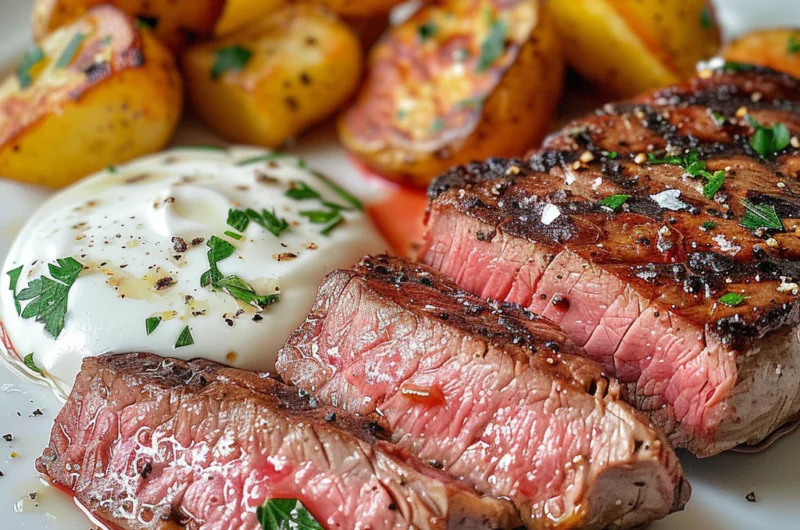
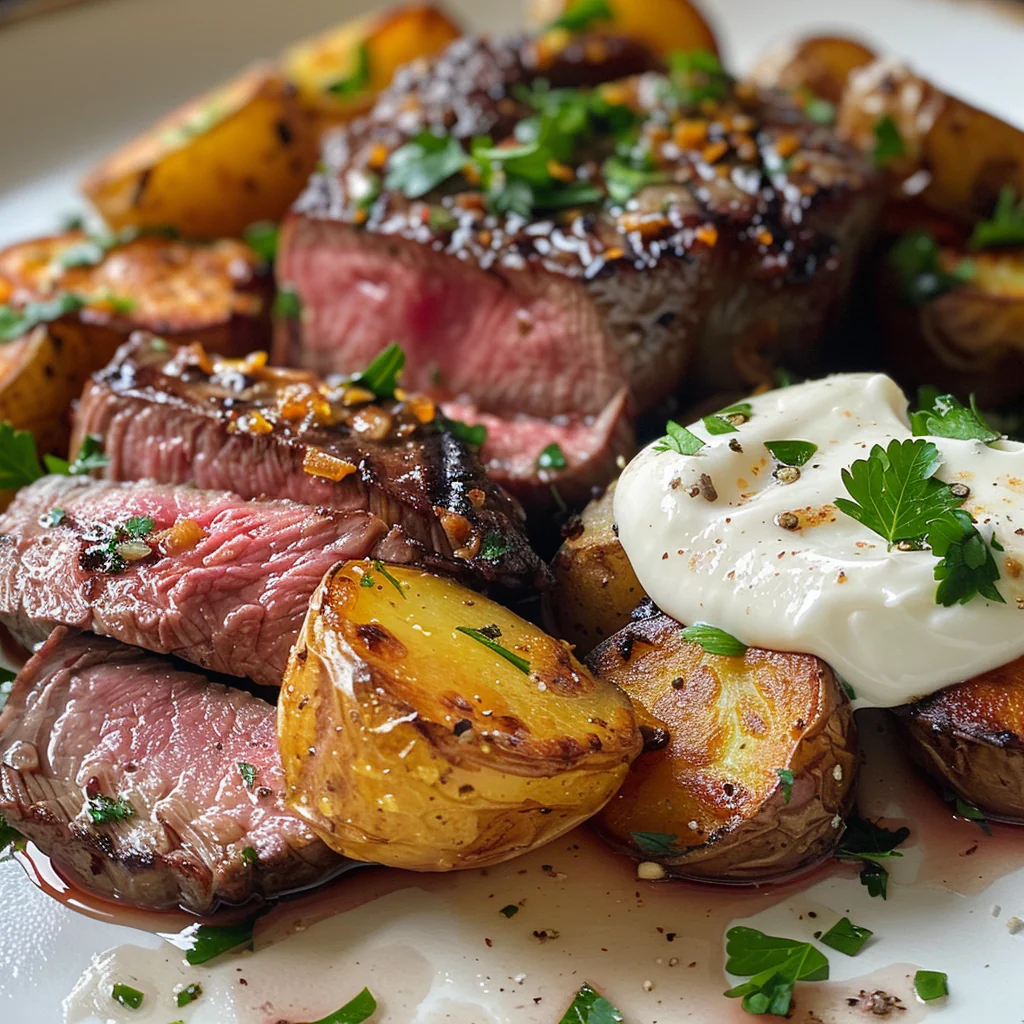
Perfectly seared sirloin basted in sizzling garlic butter, served alongside oven-roasted potatoes and a punchy, homemade horseradish cream—the ultimate steakhouse dinner at home.
📋 In This Article
Introduction
There is a specific kind of magic that happens when you hear that sizzle in the pan. It signals that dinner is going to be good. This recipe for Juicy Garlic Butter Sirloin Steaks with Creamy Horseradish Sauce and Crispy Roasted Potatoes for a Romantic Dinner at Home is my go-to when I want to pull out all the stops without spending three hours in the kitchen. Sirloin often gets a bad rap for being too lean, but treated right—meaning a ripping hot sear and a generous baste of garlic butter—it transforms into something deeply beefy and tender. It’s the kind of meal that feels expensive but costs a fraction of a steakhouse bill.
Why This Recipe Works
It comes down to simple chemistry and smart technique. Sirloin is a lean cut, which means it lacks the internal marbling that keeps a ribeye moist. To compensate, we introduce fat externally via garlic butter. As the butter melts and the milk solids brown, it creates a nutty, aromatic environment that flavors the crust. This isn’t just about taste; the fat carries the garlic flavor directly into the meat’s pores.
Then there’s the contrast. A rich, fatty steak needs an acid or a sharp spice to cut through the heaviness. That’s where the horseradish sauce comes in. Horseradish contains sinigrin, a compound that releases a pungent heat when grated, clearing the palate between bites. Finally, the crispy roasted potatoes utilize the high heat of the oven to drive off surface moisture, ensuring that shatteringly crisp exterior while the interior steams to fluffiness.
Ingredients Checklist
For the Sirloin Steaks:
- Sirloin steak: Look for 1-inch thick cuts with good marbling.
- Garlic: 3-4 cloves, smashed or thinly sliced.
- Butter: Unsalted, about 3 tablespoons, to control the salinity.
- Olive oil: High smoke point oil for the initial sear.
- Salt: Kosher salt; Diamond Crystal is my preference for its adherence.
- Black pepper: Freshly cracked, coarse grind.
For the Creamy Horseradish Sauce:
- Prepared horseradish: Drain the liquid for a more concentrated kick.
- Sour cream: The tangy base.
- Heavy cream: Whipped in to lighten the texture.
- Dijon mustard: Adds a subtle savory depth.
- Fresh herbs: Chives or parsley, finely chopped.
For the Crispy Roasted Potatoes:
- Potatoes: Yukon Golds hold their shape while getting creamy inside.
- Olive oil: Enough to coat generously.
- Salt and pepper: Essential for drawing out potato moisture.
Step-by-Step Instructions
1. Crispy Roasted Potatoes
Preparation Time: 10 minutes Cooking Time: 30-35 minutes
Start the oven. Preheat to 425°F (220°C). This high heat is crucial for rapid evaporation of surface moisture on the potatoes, which is the secret to crispiness.
Cut 1.5 pounds of baby potatoes into quarters. In a large bowl, toss them with 2 tablespoons of olive oil, salt, and pepper. I like to add a sprig of rosemary or thyme here. Spread them on a baking sheet, cut-side down. This ensures the most surface area contacts the hot metal, creating a deep golden crust. Roast for 30-35 minutes, flipping halfway through. You want them deeply golden, not pale.
2. Creamy Horseradish Sauce
Preparation Time: 5 minutes
While the potatoes roast, make the sauce. In a bowl, combine 1 cup of sour cream with 2 tablespoons of prepared horseradish. Add a squeeze of lemon juice and a pinch of salt. If you want it extra silky, whip a little heavy cream and fold it in. Taste it. It should bite back a little. Set it aside; the flavors will marry as it sits.
3. Garlic Butter Sirloin Steaks
Preparation Time: 10 minutes Cooking Time: 8-12 minutes
Take 2 sirloin steaks out of the fridge at least 30 minutes before cooking. Cold meat hits a hot pan and seizes up, resulting in uneven cooking. Dry them thoroughly with paper towels. Moisture is the enemy of the Maillard reaction—steam creates a gray, boiled exterior, not a brown crust. Season aggressively with salt and pepper on all sides.
Heat a cast iron skillet over medium-high heat. Add a splash of olive oil. Once the oil shimmers, lay the steaks in. Don’t touch them for 3-4 minutes. Let the crust form. Flip, and immediately add 3 tablespoons of butter and your garlic cloves.
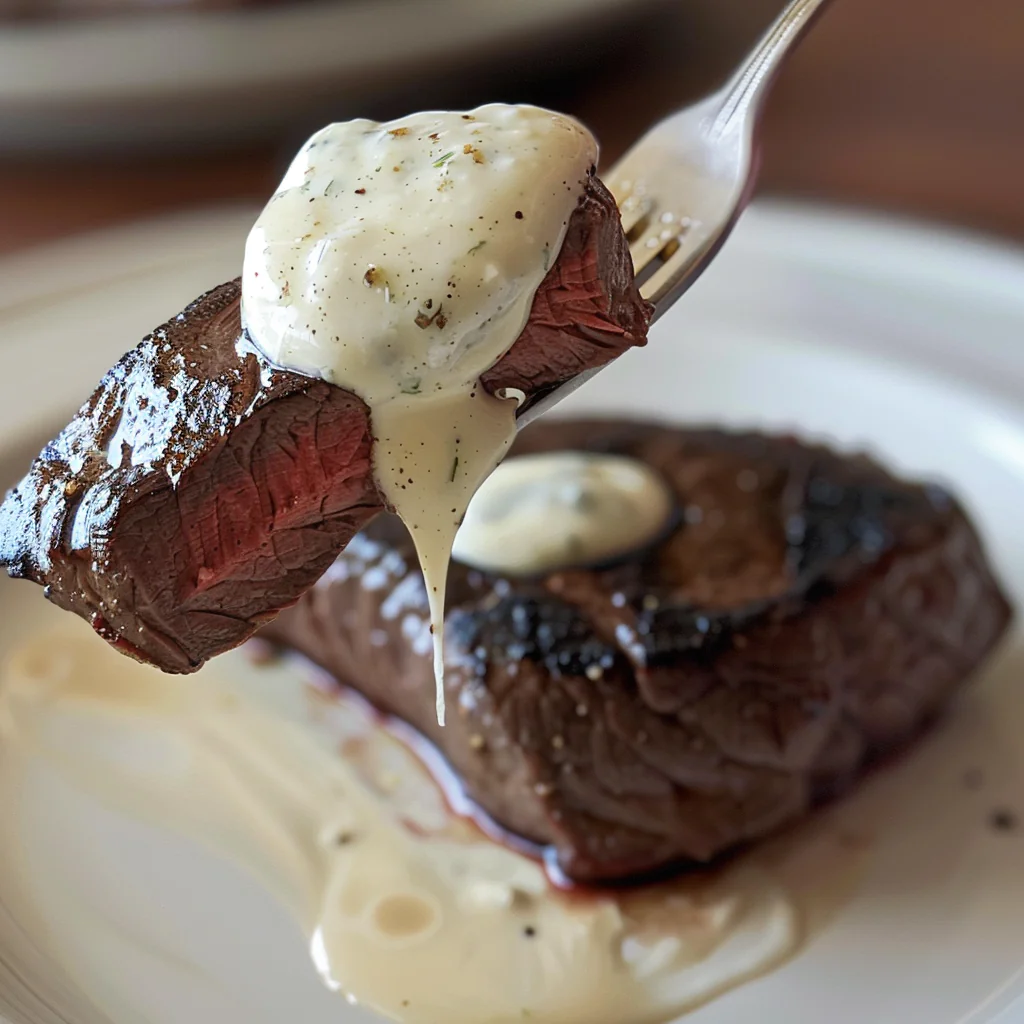
As the butter melts and foams, tilt the pan. Spoon that sizzling, garlic-infused butter over the steaks repeatedly. This is basting. It cooks the top of the steak via convection and keeps the meat aromatic. Cook to an internal temperature of 130°F (54°C) for medium-rare. Remove and rest for at least 5 minutes. I used to skip this step, but cutting early results in a pool of juice on the plate and a dry steak. Resting allows the muscle fibers to relax and reabsorb those juices.
⚠️ Common Mistakes to Avoid
Cooking steak feels high-stakes, but the errors are usually the same. The biggest one? Not drying the meat. If your steak is wet, the pan energy goes into boiling that water off before the meat can brown. You end up with a gray band of well-done meat under a lackluster crust.
Another issue is crowding the pan. If the potatoes or steaks are too close, they steam instead of roast or sear. Give them space. Also, watch your garlic. Garlic burns quickly in hot butter. If your butter is browning too fast, pull the pan off the heat for a second or move the garlic to a cooler spot in the pan. Burnt garlic is acrid and ruins the buttery flavor profile.
Variations & Pairings
Sirloin is versatile, but if you want more richness, swap it for a ribeye or a New York strip. The cooking time remains similar, but you’ll get more rendered fat.
For the potatoes, toss them in smoked paprika or garlic powder before roasting for a different flavor profile. If you aren’t a fan of horseradish, a chimichurri or a blue cheese compound butter works beautifully with the garlic base.
Wine is non-negotiable here. A Cabernet Sauvignon or a Malbec stands up to the iron-rich flavor of the beef and the sharp bite of the sauce.
Storage & Reheating Tips
Leftover steak is a luxury, but only if you reheat it right. Store the steak in an airtight container for up to 3 days. Do not microwave it unless you want it well-done and rubbery. Instead, place it in a 250°F (120°C) oven until it reaches an internal temp of about 110-120°F. This warms it without cooking it further.
For the potatoes, reheat them in a 400°F (200°C) oven or a hot skillet to bring back the crunch. The sauce keeps in the fridge for a week, covered.
💡 Pro Tips for a Truly Romantic Evening
The food is ready, now set the stage. Dim the lights. Light a candle. The smell of garlic butter is already doing heavy lifting, but a little atmosphere helps.
Music matters. A low-tempo jazz playlist or a classic Frank Sinatra album sets a mood that silence or the TV news just can’t match.
Plate with intention. Slice the steak against the grain before serving—it makes it look professional and ensures tenderness. Fan the slices, spoon a generous dollop of sauce on the side, and pile the potatoes high. It sounds fussy, but we eat with our eyes first.
Frequently Asked Questions (FAQ)
+Why did my garlic butter burn?
Garlic has a low burn point compared to the high heat needed for steak. Add the garlic and butter only after the initial sear, or keep the garlic cloves whole and smashed so they don’t disintegrate as fast.
+Can I use a different cut of steak?
Absolutely. While this recipe optimizes sirloin, ribeye offers more fat, and filet mignon offers more tenderness. Adjust cooking times slightly; filet cooks faster due to lower fat content.
+How do I know when the steak is done without a thermometer?
Use the finger test. For medium-rare, the steak should feel like the fleshy part of your palm below your thumb when your thumb and middle finger touch. It should have a slight spring but not be squishy.
+Can I make the horseradish sauce ahead of time?
Yes. In fact, it’s better if you do. Making it a few hours ahead allows the flavors to meld and the sharpness of the horseradish to mellow slightly into the cream.
+How long should I let the steak rest?
At minimum, 5 minutes. For thicker cuts, aim for 10. If you cut into it immediately, the juices haven’t had time to redistribute, and you lose moisture. Patience here makes the difference between a juicy steak and a dry one.