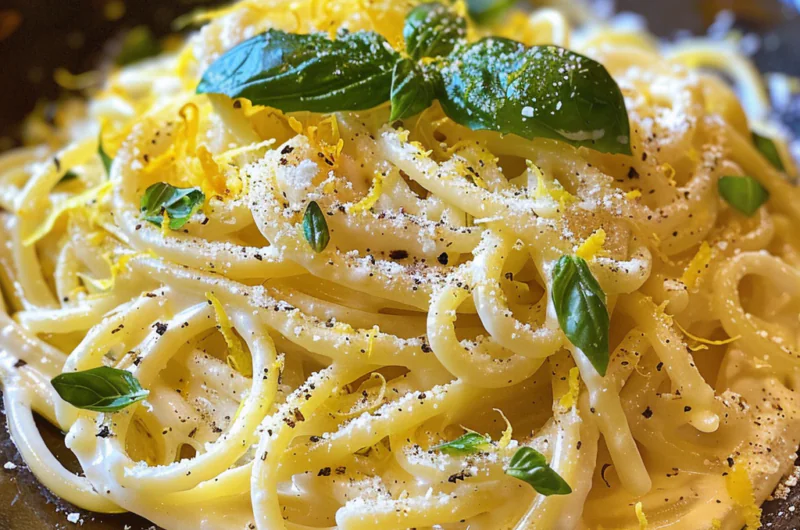
Creamy, bright, and ready in 20 minutes, this Lemon Ricotta Pasta uses starchy pasta water to transform simple cheese into a silky, restaurant-quality sauce.
📋 In This Article
Introduction
There is a specific kind of magic that happens when you combine fat, acid, and heat. This 20-Minute Lemon Ricotta Pasta is proof. It is the kind of meal you throw together on a Tuesday when the fridge is looking bare, but you still want something that feels intentional. No heavy cream, no lengthy simmering—just the alchemy of pasta water and fresh cheese.
The first time I tested this recipe, I made the mistake of tossing cold ricotta straight from the fridge onto hot pasta. The result? A grainy, clumpy mess that separated instantly. I learned quickly: temperature matters. When done right, the residual heat of the pasta melts the ricotta into a glossy, velvety coating that clings to every curve of the noodle. It’s a lesson in the power of simple ingredients treated with respect. This dish relies on the vibrant acidity of lemon to cut through the richness of the dairy, creating a balance that feels surprisingly light.
Why This Recipe Works (The Science of Simplicity)
The genius of this 20-Minute Lemon Ricotta Pasta isn’t just speed—it’s chemistry. Most creamy pasta sauces rely on heavy cream and butter to create a stable emulsion. Here, we use the starch leached from the pasta during boiling.
When pasta cooks, it releases amylose and amylopectin into the water. This starchy liquid acts as a binder. When you vigorously toss the hot pasta with ricotta and a splash of this starchy water, the proteins and fats in the cheese disperse rather than clumping together. This creates a creamy, cohesive sauce without the need for a roux or hours of reduction. It is a technique rooted in Italian peasant cooking—using everything you have (including the cooking water) to build texture and flavor.
Ingredients You’ll Need
To pull this off, you need quality ingredients. Because the ingredient list is short, there is nowhere to hide.
- Short Pasta (12 oz.): Shapes like rotini, cavatappi, or shells have nooks and crannies that trap the thick ricotta sauce better than smooth strands.
- Ricotta Cheese (15 oz., whole milk): Whole milk ricotta has the necessary fat content for a luscious mouthfeel. Low-fat versions often contain stabilizers that can make the sauce gummy.
- Parmesan Cheese (½ cup, freshly grated): Adds a salty, savory umami punch that sharpens the mild ricotta.
- Olive Oil (3 Tbsp., high-quality): Use extra virgin here. Its grassy, peppery notes are a key flavor component since we aren’t cooking the oil long.
- Fresh Lemons (2-3): You need both the zest and the juice. The zest contains essential oils (limonene) that provide bright aroma, while the juice offers sharp acidity.
- Garlic (2-3 cloves, minced): We will use it raw or lightly warmed for a pungent kick that stands up to the rich cheese.
- Fresh Herbs (Basil and Parsley): Fresh basil adds sweetness; parsley adds a clean, grassy finish.
- Sea Salt (1 tsp): Essential for seasoning the pasta water. It should taste like a well-seasoned soup.
- Black Pepper (½ tsp, cracked): Adds mild heat and floral notes.
- Pasta Water (1 – 1 ½ cups, reserved): Liquid gold. Do not forget to save this.
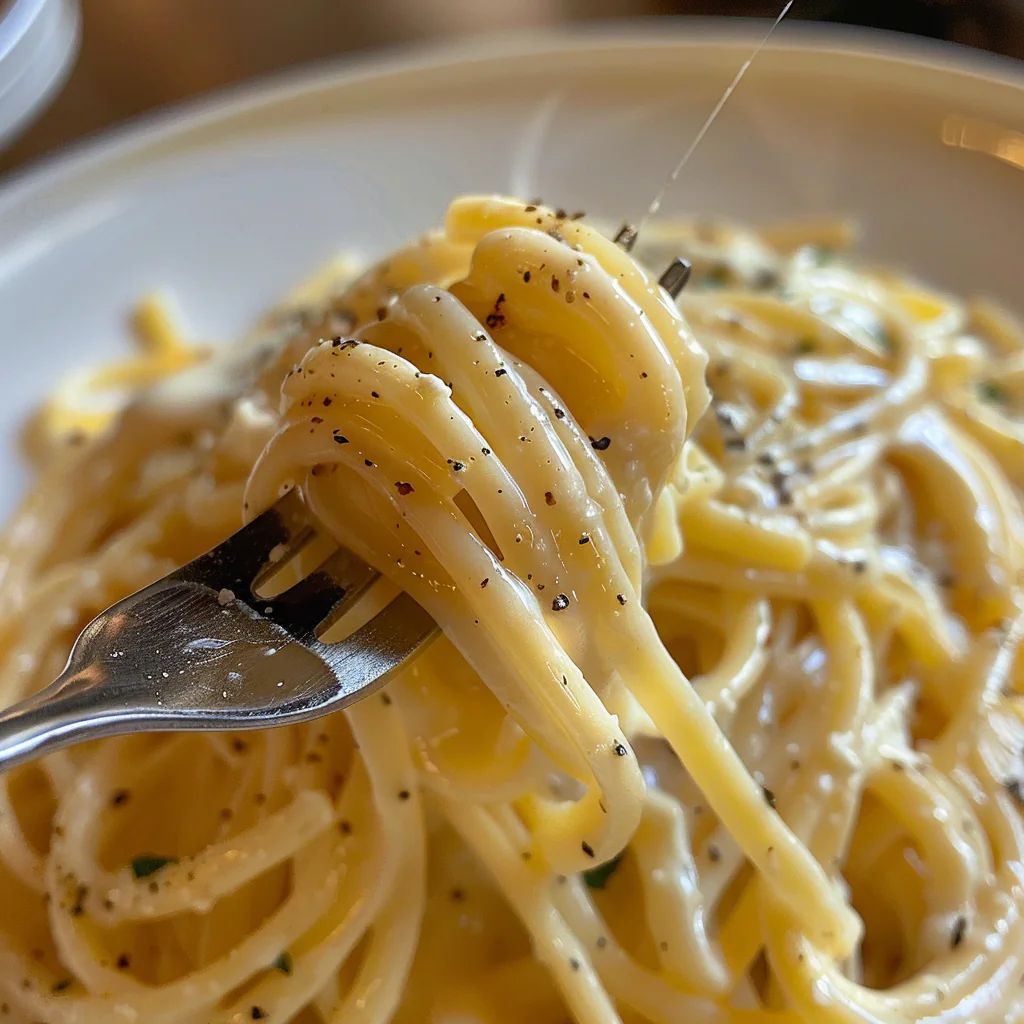
How to Make Lemon Ricotta Pasta
This dish comes together in the time it takes to boil the noodles. Mise en place is crucial—have your sauce ingredients ready before the pasta hits the water.
1. Boil the Pasta
Bring a large pot of water to a rolling boil. Season generously with salt. Add the short pasta and cook until al dente—usually 1 to 2 minutes shy of the package instructions. The pasta will continue to cook slightly when mixed with the sauce.
Crucial Step: Before draining, dip a heat-proof measuring cup into the pot and reserve at least 1 cup of the starchy pasta water. This is the backbone of your sauce.
2. Build the Flavor Base
While the pasta cooks, zest your lemons directly into a large mixing bowl (catching the aromatic oils). Add the lemon juice, minced garlic, and olive oil. Let this mixture sit for a minute; the acid in the lemon will slightly tame the raw garlic’s harshness.
3. Emulsify the Sauce
Add the ricotta and Parmesan to the bowl with the lemon mixture. Add a splash (about ¼ cup) of the hot reserved pasta water. Stir vigorously. The heat from the water will loosen the cold ricotta, turning it from a stiff paste into a creamy emulsion.
4. The Marriage
Drain the pasta and immediately add it to the bowl with the sauce. Toss thoroughly. As you toss, add more pasta water, a tablespoon at a time, until the sauce coats the pasta in a glossy sheen.
Why toss off-heat? If you put the ricotta over direct high heat, the proteins will tighten and squeeze out moisture (whey), leading to a grainy, curdled texture. Residual heat is gentler and keeps the sauce smooth.
5. Finish and Serve
Fold in the fresh herbs and season with cracked black pepper. Taste. Does it need more salt? Probably not, thanks to the Parmesan and salted water, but adjust if needed. Serve immediately.
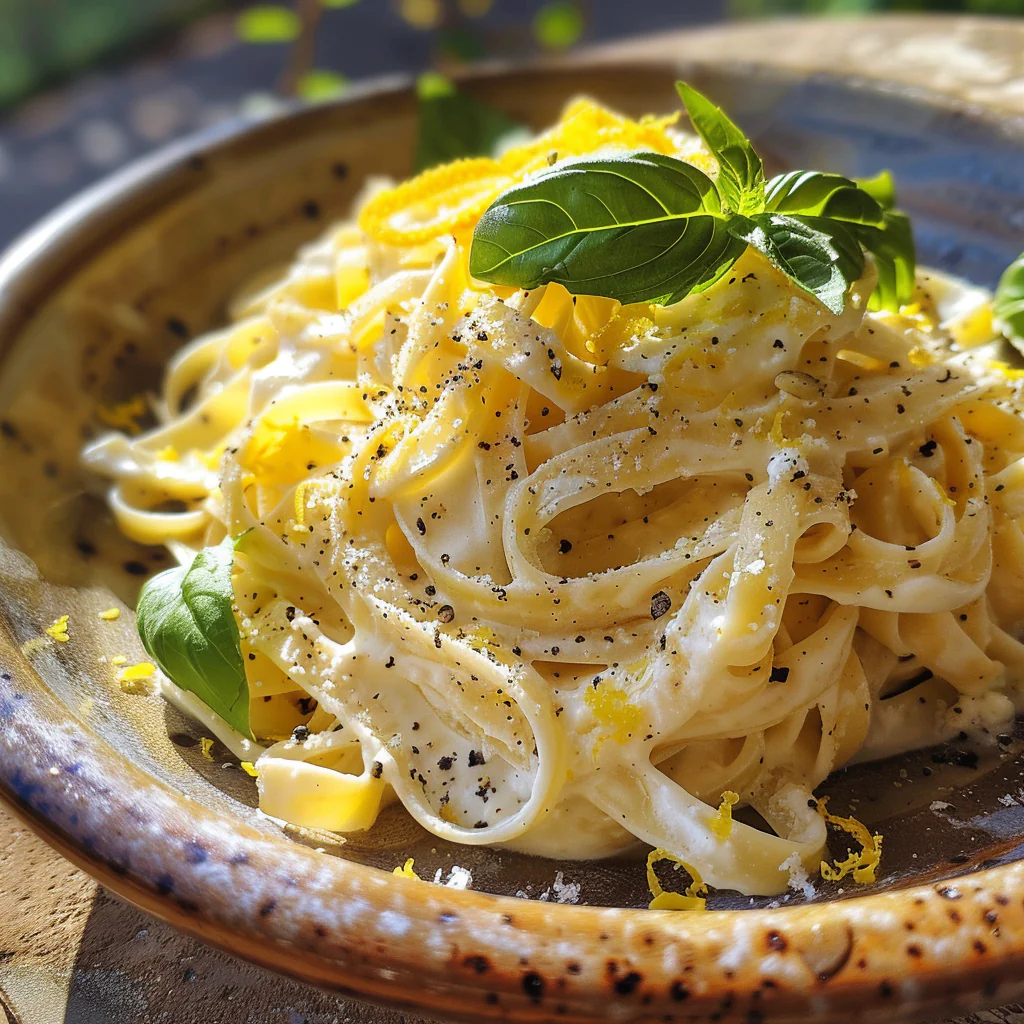
⚠️ Common Mistakes to Avoid
Even simple recipes can go wrong. Here is how to sidestep the pitfalls.
- Cold Ricotta: Cold cheese seizes when it hits hot pasta. Take the ricotta out of the fridge 20 minutes before cooking. If you forget, simply microwave it for 15 seconds to take the chill off.
- Rinsing the Pasta: Never rinse pasta for a hot dish. Rinsing washes away the surface starch needed for the sauce to adhere. You want that starch.
- Skimping on Pasta Water: Many home cooks drain their pasta and dump the water. For this recipe, the water is the difference between a clumpy cheese lump and a silky sauce. Save more than you think you need.
- Overcooking the Garlic: If you choose to sauté the garlic in olive oil first, do it over low heat. Burnt garlic turns bitter and acrid instantly. For this recipe, raw garlic offers a sharper, cleaner bite that pairs well with the lemon.
Variations and Optional Add-Ins
This recipe is a blank canvas. Once you master the base technique, you can riff on it endlessly.
- The Green Boost: Add a handful of baby spinach or arugula to the bowl along with the hot pasta. The residual heat will wilt the greens perfectly without turning them into mush.
- Protein Power: Grilled shrimp or shredded rotisserie chicken makes this a heartier main. If using raw chicken, sauté it in the pan before you start the pasta, remove it, and add it back at the end.
- Spring Vegetables: Sautéed asparagus or fresh peas add sweetness and texture. Blanch them in the pasta water during the last 2 minutes of boiling to save time.
- Spicy Kick: Add a pinch of red pepper flakes to the lemon and oil mixture.
Storage and Reheating Tips
Lemon Ricotta Pasta is best eaten immediately after tossing. However, if you have leftovers, store them in an airtight container in the refrigerator for up to 3 days.
Reheating is the tricky part. Ricotta can separate when reheated. To fix this, place the pasta in a skillet over low heat. Add a splash of water or milk—about a tablespoon per serving. Stir gently and constantly just until warmed through. The liquid helps re-emulsify the sauce. Avoid the microwave if possible, as it heats unevenly and can turn the cheese rubbery. Freezing is not recommended, as the dairy sauce will likely separate upon thawing.
💡 Pro Tips for Success
After making this dish dozens of times, I’ve picked up a few tricks.
- Zest First, Juice Second: Always zest the lemon before you cut it. Trying to zest a cut, squeezed lemon half is frustrating and yields less oil.
- The “Mantecatura” Technique: This Italian term refers to the final tossing of pasta with fat and starch. Do this off the heat. Lift the pasta high as you toss to incorporate air, making the dish lighter.
- Taste the Cheese: Ricotta varies wildly in salt content. Taste your ricotta before you add salt to the sauce.
- Save the Cheese Rind: If you have a parmesan rind, toss it into the boiling water with the pasta. It infuses the water (and thus the sauce) with deep, savory flavor.
Frequently Asked Questions (FAQ)
+Why is my lemon ricotta pasta sauce grainy?
Graininess usually happens for one of two reasons: the ricotta was cold, or it was heated too aggressively. To fix a grainy sauce, try adding a bit more hot pasta water and whisking vigorously to smooth it out.
+Can I use low-fat ricotta?
You can, but I don’t recommend it. Low-fat ricotta has a higher moisture content and less fat, meaning the sauce will be thinner and less creamy. If you must use it, drain the ricotta in a cheesecloth for 30 minutes before using.
+Does lemon juice curdle ricotta?
Lemon juice is acidic and can curdle dairy proteins. However, because we are adding it to the ricotta along with olive oil and starchy water (which buffers the acid), it usually creates a smooth emulsion rather than curdling.
+What pasta shape works best?
Short, textured shapes like rotini, penne, or shells are ideal. They have ridges and curves that hold onto the thick ricotta sauce. Long noodles like spaghetti tend to slip through the sauce, leaving you with naked pasta.
+Can I make this ahead of time?
You can prep the ingredients (zest the lemon, mince the garlic, measure the cheese) ahead of time, but do not cook the pasta until you are ready to eat. The sauce relies on the heat of the pasta and the starch of the water to come together.
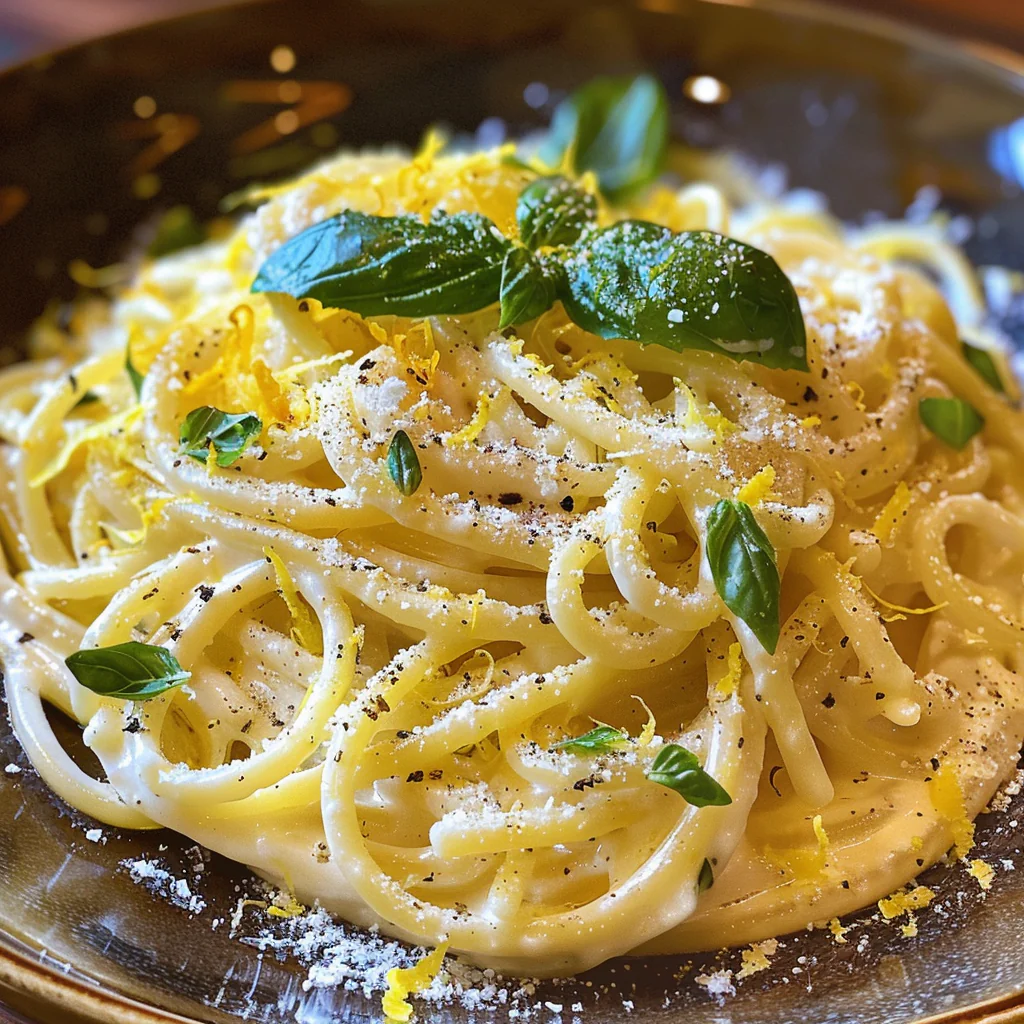
20 Minute Lemon Ricotta Pasta
Ingredients
Method
- Bring a large pot of water to a boil and cook pasta according to package instructions until al dente.
- While waiting for water to boil, whisk together the ricotta, lemon juice, 2 tablespoons olive oil, lemon zest, and seasoning to a small bowl.
- While the pasta is boiling, heat a medium saucepan to medium heat. Add the remaining tablespoon of olive oil. Once glistening, add the garlic and sauté until fragrant for about one minute. Before your drain your pasta, scoop out at least a cup and a half of pasta water and reserve it for the sauce!
- Add the lemon ricotta mixture to the sauce pan and allow it to heat up, whisking occasionally. Add about 1/2 cup of the reserved water water to thin the sauce out slightly and this will also help coat the pasta with the sauce. Go a touch thinner than you prefer as it will thicken slightly when you toss with the pasta and heat.
- When pasta is ready, drain and add back to the pot along with spinach over top. Pour the lemon ricotta sauce over the pasta and spinach.
- Toss the pasta with the sauce and allow it to coat evenly while also wilting the spinach. You can add more pasta water if it seems to thick. Adjust seasoning to taste and you are ready to serve!
- Serve with freshly grated parmesan and chopped parsley or basil on top.
Nutrition
Notes
- For perfectly cooked pasta, aim for al dente, which means it should have a slight bite to it. Check the package instructions 1-2 minutes before the suggested cooking time to avoid overcooking.
- Add the reserved pasta water gradually to the sauce; it’s easier to thin out a thick sauce than to fix a watery one. Start with ½ cup, and then adjust to your preferred consistency.
- If you're short on time, cook your protein (like grilled chicken or shrimp) in advance and simply add it to the pasta before serving for a complete meal in a flash.
- For creamier sauce, always opt for freshly grated Parmesan instead of pre-grated, as it melts better and enhances the overall flavor of the dish.
- Store any leftovers in an airtight container in the fridge for up to 3 days. Reheat gently on the stovetop with a splash of water or olive oil to prevent drying out.