Transform tough cuts into tender, smoky masterpieces with this balanced blend of soy, citrus, and aromatics—ready to grill in just 30 minutes.
📋 In This Article
- Introduction
- Why This Marinade Works
- Ingredients You’ll Need
- Step-by-Step: Crafting Your Marinade
- Marinating Science: Time and Technique
- Grilling Your Marinated Steaks
- Common Mistakes to Avoid
- Pro Tips for the Best Results
- Versatility Beyond the Grill
- Variations and Substitutions
- Serving Suggestions and Perfect Pairings
- Storage Tips
- Frequently Asked Questions (FAQ)
Introduction
Summer grilling should be effortless, but too often, it results in dry, flavorless meat. That changes now. The Most Flavorful Grilled Steak Marinade You’ll Use All Summer Long is designed to solve the two biggest problems with home-grilled steak: lack of depth and toughness. By leveraging the power of enzymatic breakdown and emulsion science, this mixture does more than coat the surface—it fundamentally changes the meat’s structure for the better. Whether you are working with a premium ribeye or a budget-friendly flank steak, this is the recipe that will define your season.
Why This Marinade Works
Most marinades are just oil and vinegar, but this one is a calculated flavor machine. It relies on three pillars: umami, acidity, and aromatics.
The soy sauce provides the salt and glutamate necessary for that savory, meaty punch we crave. It acts fast, penetrating the muscle fibers to season the meat deeply. Then comes the lemon juice. Acid gets a bad rap for “cooking” meat, but in the right proportion, it acts as a tenderizer, breaking down tough connective tissues just enough to make the steak supple without turning it to mush.
Finally, garlic and rosemary infuse the fat. Fat is the carrier of flavor. When the steak hits the grill, those aromatic compounds bloom, creating a scent profile that screams summer. The Dijon mustard and brown sugar? They are the flavor conductors. Mustard emulsifies the oil and acid so they don’t separate, while the sugar promotes rapid caramelization—that deep, golden-brown crust that makes steak irresistible.
Ingredients You’ll Need
Gathering the right ingredients is the first step to success. Here is the lineup for The Most Flavorful Grilled Steak Marinade You’ll Use All Summer Long:
- Soy Sauce: The salt and umami base.
- Olive Oil: Helps emulsify the dressing and conducts heat for even cooking.
- Lemon Juice: Brightens the profile and tenderizes the fibers.
- Garlic: Fresh cloves, minced, for pungent depth.
- Rosemary: Fresh needles provide piney, resinous notes that pair perfectly with beef.
- Worcestershire Sauce: Adds fermented complexity and tang.
- Dijon Mustard: The emulsifier that keeps the marinade creamy and coats the meat evenly.
- Brown Sugar: Essential for that quick, dark sear on the grill.
- Black Pepper: Freshly cracked, for a necessary bite.
Step-by-Step: Crafting Your Marinade
Making the marinade is simple, but the order of operations matters.
- Whisk the Base: In a medium bowl, whisk together the soy sauce, lemon juice, Worcestershire sauce, and Dijon mustard. This creates your aqueous flavor base.
- Emulsify: Slowly stream in the olive oil while whisking vigorously. You want a temporary emulsion—this ensures the oil and acid stay combined long enough to coat the meat effectively.
- Add Aromatics: Stir in the minced garlic, brown sugar, and black pepper. Don’t add the salt yet; the soy sauce handles most of the salting needs.
- The Herb Step: Rub the fresh rosemary between your palms to release the essential oils before tossing it in. This wakes up the flavor.
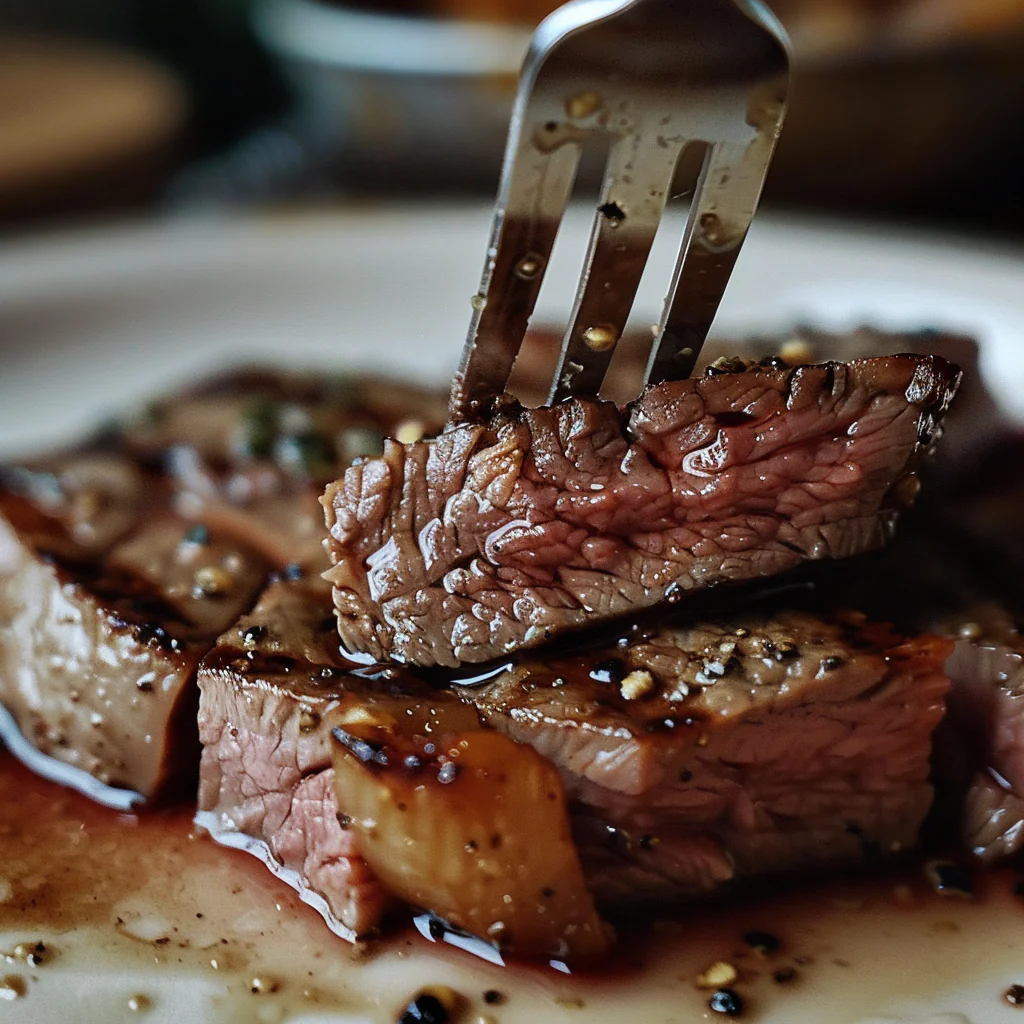
Place your steak in a resealable bag or shallow dish. Pour the marinade over the top, ensuring every inch is coated. A bag is often superior because it forces the marinade into contact with the meat surface, minimizing waste.
Marinating Science: Time and Technique
Timing is everything. “Longer is better” is a myth that can ruin a good steak.
For thin cuts (flank, skirt, hanger): 30 minutes to 2 hours is the sweet spot. These cuts have loose fibers that absorb liquid rapidly. Go longer than 4 hours, and the acid will start to break down the meat into a mushy texture.
For thicker cuts (sirloin, ribeye, strip): 2 to 4 hours is ideal. The marinade penetrates slowly. Even overnight works here, but be wary of the lemon juice; if marinating for 12+ hours, consider reducing the citrus slightly to prevent the surface from becoming too soft.
I used to rush this step—don’t. If you only have 20 minutes, let the steak sit at room temperature in the marinade. It won’t penetrate deeply, but the surface flavor will still be intense.
Grilling Your Marinated Steaks
You’ve prepped the meat; now it’s time for the heat.
The Dry Surface Rule: Before the steak hits the grate, remove it from the bag and pat it completely dry with paper towels. This is the most critical step for texture. If the surface is wet, the grill will waste energy evaporating moisture instead of searing the meat. You end up with gray, steamed beef.
Temperature: Preheat your grill to high heat, around 450°F to 500°F. We need that intense heat for the Maillard reaction—the chemical process that creates hundreds of flavor compounds and that gorgeous crust.
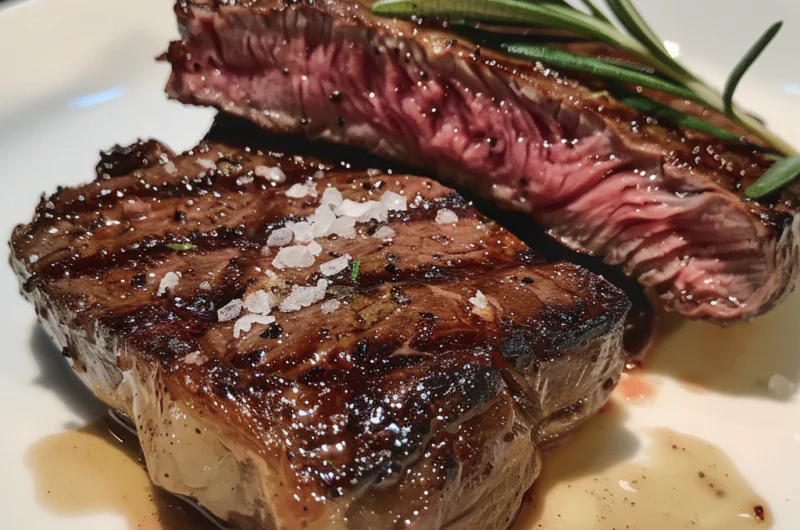
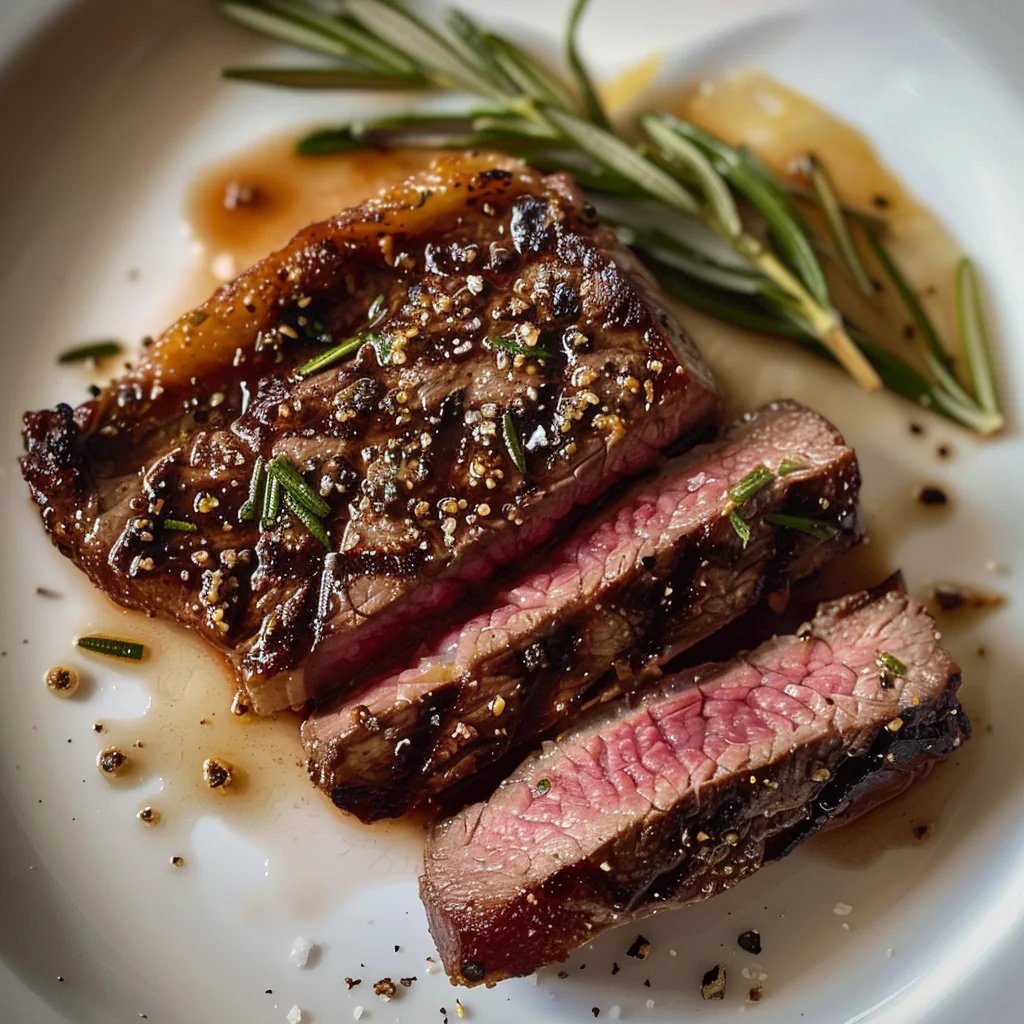
Cooking: Place the steak on the grate. Don’t touch it. Let it sear for 4-5 minutes. Flip once, then cook to your desired doneness. Use a thermometer:
- Medium-Rare: Pull at 125°F to 130°F.
- Medium: Pull at 135°F to 140°F.
Remember carryover cooking: the steak continues to cook after leaving the grill. Resting is non-negotiable. Let it sit for 5-10 minutes so the muscle fibers relax and reabsorb the juices. Slice too early, and you lose 40% of that moisture on the cutting board.
⚠️ Common Mistakes to Avoid
Even a great recipe can fail if you skip the basics.
- Over-Marinating: Leaving steak in high-acid mixtures for too long results in a mealy, mushy texture. Trust the timer.
- Grilling Wet Meat: As mentioned, moisture inhibits browning. Dry that surface off.
- Reusing Marinade: Never reuse a marinade that has touched raw meat. It contains harmful bacteria. If you want a sauce, reserve a portion of the fresh marinade before adding the steak.
- Salting Twice: Soy sauce is salty. Be careful adding extra salt to the marinade, or you risk drying out the meat.
💡 Pro Tips for the Best Results
- The Bag Squeeze: When using a resealable bag, squeeze out all the air before sealing. This vacuum effect ensures the marinade clings to the meat rather than floating around it.
- Bring to Room Temp: Pull the steak from the fridge 20 minutes before grilling. Cold meat seizes up on the grill, leading to uneven cooking.
- Against the Grain: For tough cuts like flank or skirt, always slice against the grain. It shortens the muscle fibers, making the meat significantly more tender.
Versatility Beyond the Grill
Don’t have a grill? No problem. This marinade is versatile.
Pan-Searing: Heat a cast-iron skillet until it’s smoking hot. Sear the steak in a high-smoke-point oil (like canola or grapeseed) for 3-4 minutes per side. The cast iron retains heat well, giving you a crust that rivals any grill.
Air Frying: For thinner cuts, an air fryer works surprisingly well. Cook at 400°F for 8-12 minutes, flipping halfway. The circulating air creates a surprisingly decent “crust” without the smoke of a grill.
Broiling: Position the oven rack 4-6 inches from the broiler element. Broil for 4-5 minutes per side. Watch closely—sugars in the marinade can burn quickly under direct heat.
Variations and Substitutions
Tailor the marinade to what you have on hand.
- Soy-Free: Swap soy sauce for coconut aminos. It’s slightly sweeter but offers a similar savory depth.
- Acid Swaps: No lemon? Use lime juice for a brighter, slightly more bitter note, or red wine vinegar for a deeper, classic steakhouse profile.
- Herb Variations: Not a fan of rosemary? Try fresh thyme or oregano. Dried herbs work in a pinch, but use only half the amount called for with fresh.
- Spicy Kick: Add a teaspoon of chipotle powder or cayenne for a smoky heat that cuts through the richness of the beef.
Serving Suggestions and Perfect Pairings
A great steak needs a supporting cast.
- Roasted Vegetables: Asparagus or zucchini roast quickly on the grill alongside the steak, absorbing the drippings.
- Starch: A creamy potato salad or a simple loaf of garlic bread to mop up the juices.
- Freshness: A crisp green salad with a vinaigrette cuts through the richness of the beef.
- Drink: A bold red wine, like a Cabernet Sauvignon, or a cold, hoppy IPA balances the umami and fat.
Storage Tips
Marinade Storage: Freshly made marinade (without meat contact) can be stored in an airtight container in the refrigerator for up to one week. For longer storage, freeze it in ice cube trays for individual portions.
Marinated Steak: Once the steak has bathed, discard the used marinade. Store the raw, marinated steak in the fridge for up to 24 hours, though 4 hours is the peak quality window.
Frequently Asked Questions (FAQ)
+Can I reuse leftover steak marinade?
No. Marinade that has been in contact with raw meat contains bacteria from the raw juices. Always discard used marinade. If you want to use it as a sauce, reserve a portion before adding the meat.
+How long can I marinate steak?
For most cuts, 2 to 4 hours is sufficient. Thinner cuts like flank steak should not marinate longer than 4 hours or they will become mushy. Thicker cuts can go overnight, but watch the acidity levels.
+Do I need to rinse the steak after marinating?
No, do not rinse. You will wash away the flavor and seasonings. Simply remove the steak and pat it dry with paper towels to ensure a good sear.
+Can I use this marinade for chicken or pork?
Absolutely. The balance of acid, salt, and sugar works beautifully for chicken thighs or pork chops. Adjust marinating times: chicken needs about 1-2 hours, while pork can handle 4-6 hours.
+Why is my steak tough after marinating?
You likely over-marinated it. Acid denatures proteins, which tenderizes initially, but over time, it tightens the fibers and squeezes out moisture, resulting in a tough, dry texture. Stick to the recommended times.