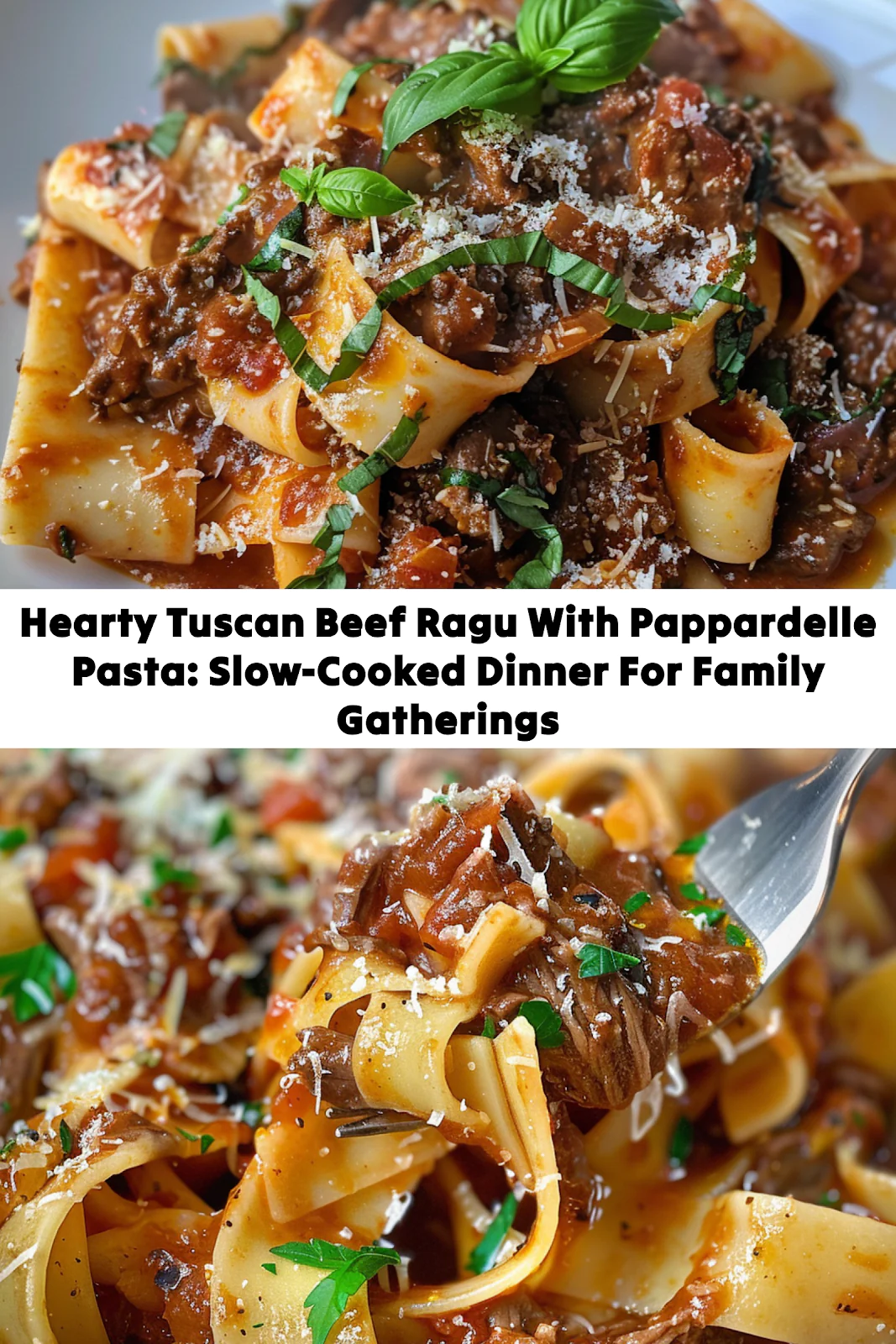
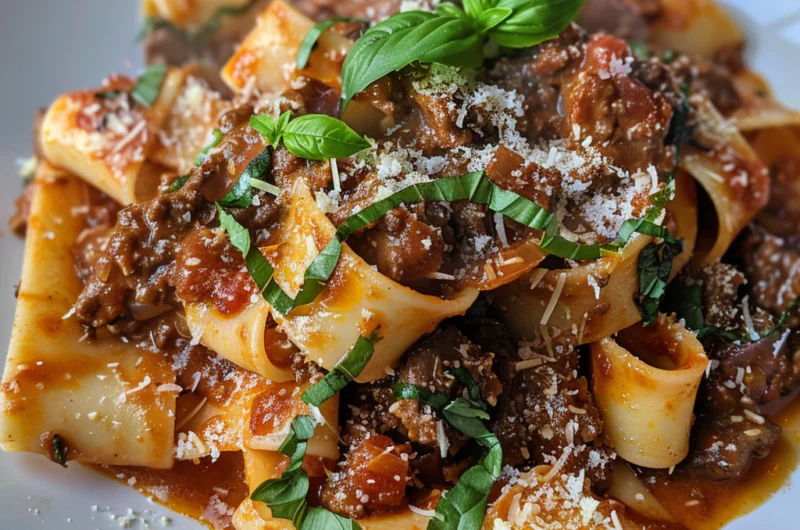
A rich, slow-simmered beef ragu that transforms humble chuck roast into fork-tender strands of meat draped over wide pappardelle — minimal prep, maximum reward.
📋 In This Article
- Introduction
- Why This Ragu Recipe Works
- Essential Ingredients for Authentic Tuscan Ragu
- Step-by-Step Cooking Instructions
- Perfecting Your Pappardelle: Pairing and Serving
- Common Mistakes to Avoid for the Best Ragu
- Variations and Customizations
- Storage, Reheating, and Make-Ahead Tips
- Pro Tips for the Best Ragu
- Frequently Asked Questions (FAQ)
- Conclusion
Introduction
Some dishes demand your attention. This isn’t one of them. Hearty Tuscan Beef Ragu with Pappardelle Pasta is the kind of recipe you start in the morning and forget about until dinner — and that’s exactly the point. The slow, patient braise does the heavy lifting, breaking down collagen in a well-marbled beef chuck until it surrenders into tender, shreddable strands.
The magic happens in the time. Hours of gentle simmering coax out depth you simply cannot rush. Aromatics — carrots, celery, onion — melt into the background, their sweetness balancing the savory intensity of browned beef and wine-braised tomatoes. The result is a velvety, umami-rich sauce that clings to every ribbon of pappardelle.
This is Sunday dinner territory. The kind of meal that pulls people to the table and keeps them there, forks in hand, long after the plates are empty.
Why This Ragu Recipe Works
Let’s talk about what separates a mediocre ragu from one that makes you close your eyes at the first bite.
The technique is braising — a combination cooking method that relies on moist heat to transform tough, connective-tissue-rich cuts into something spoon-soft. But before the braise comes the sear. Here’s the thing: that step isn’t optional.
When beef hits a hot pan, the Maillard reaction kicks in. This isn’t about “sealing in juices” — that’s a persistent myth. What actually happens is far more interesting. Amino acids and sugars on the meat’s surface react under high heat, creating hundreds of new flavor compounds. Those browned bits stuck to the pan? That’s the fond, and it’s pure concentrated flavor. Deglazing with wine or broth dissolves that fond back into your sauce, building layers you’d otherwise lose.
I’ve tested this side by side. The unseared version tasted flat, one-dimensional. The seared version had noticeably more depth. Ten minutes of effort. Big difference.
The slow cooker method is forgiving. The Dutch oven method is faster but demands more attention. Both work. The choice depends on your schedule, not your skill level.
Essential Ingredients for Authentic Tuscan Ragu
Quality matters here. Not in a precious, chef-y way — but in a “this will taste noticeably better” way.
Beef Chuck Roast: The hero. Well-marbled with connective tissue that breaks down into gelatin during the long cook. Plan on 2½ to 3 pounds for a family-sized batch.
Pancetta: Optional but recommended. A few ounces of diced pancetta rendered at the start adds a savory foundation that plain beef can’t achieve alone.
Soffritto Base: Finely diced carrots, celery, and onions — the classic Italian aromatic trio. The finer the dice, the more seamlessly they dissolve into the sauce. Rush this step, and you’ll have chunky vegetables in a silky sauce. Not ideal.
San Marzano Tomatoes: Yes, they’re worth the extra dollar. Grown in volcanic soil near Mount Vesuvius, they’re naturally sweeter and less acidic than standard canned tomatoes. Whole peeled tomatoes crushed by hand give the best texture; crushed tomatoes work if you’re short on time.
Dry Red Wine: A cup of Chianti or Sangiovese adds complexity. The alcohol cooks off, leaving behind acidity and depth. Can’t use wine? An equal amount of beef broth plus a splash of balsamic vinegar gets close.
Fresh Herbs: Rosemary and thyme. Dried will do in winter, but fresh sprigs infuse a brighter, more aromatic quality. Remove them before serving — no one wants to bite into a woody rosemary needle.
Pappardelle Pasta: Wide, flat noodles designed to hold substantial sauces. The surface area means more sauce per bite. Tagliatelle or fettuccine are acceptable substitutes.
Parmigiano-Reggiano: Not the pre-grated stuff in the green container. Buy a wedge. Grate it fresh. The difference is real.
Step-by-Step Cooking Instructions
Slow Cooker Method
1. Sear the Beef
Pat the chuck roast dry — moisture is the enemy of browning. Season generously with salt and pepper on all sides. Heat a tablespoon of olive oil in a large skillet over medium-high heat until it shimmers. Add the meat and sear until deeply browned, about 4 minutes per side. Don’t crowd the pan; work in batches if needed.
2. Deglaze the Pan
Remove the beef and set aside. Pour in about ½ cup of beef broth or wine into the hot pan. Scrape aggressively with a wooden spoon, loosening every bit of browned fond from the bottom. This liquid gold goes directly into the slow cooker.
3. Build the Base
In the slow cooker, combine the deglazing liquid, one 28-ounce can of crushed San Marzano Tomatoes, 4 minced garlic cloves, the soffritto vegetables, 2 bay leaves, and several sprigs of fresh thyme. Place the seared beef on top. Cover and cook on low for 8 hours or high for 4 hours.
4. Shred and Return
The meat should yield effortlessly when prodded with a fork. Remove it from the slow cooker and let it rest for 10 minutes — this allows juices to redistribute rather than spill onto your cutting board. Shred with two forks, discarding any large pieces of fat or connective tissue. Return the meat to the sauce and stir to combine.
5. Finish and Serve
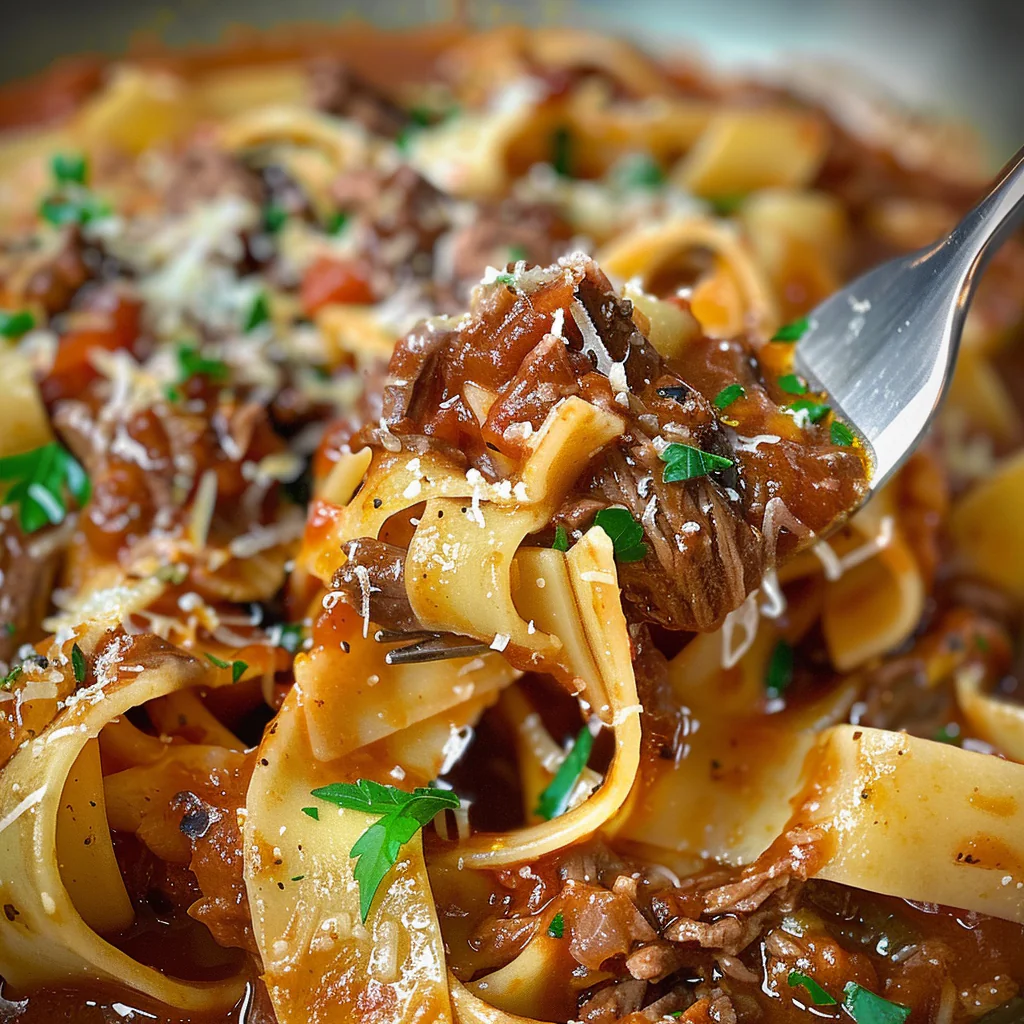
Cook the Pappardelle Pasta in well-salted boiling water until al dente. Reserve about ½ cup of pasta water before draining. Toss the pasta directly with the ragu, adding pasta water as needed to achieve a silky consistency that coats each noodle. Serve with freshly grated Parmigiano-Reggiano.
Dutch Oven Method
1. Sear and Build
Follow the same searing process, but do it directly in the Dutch oven over medium-high heat. Remove the beef, add the soffritto vegetables, and cook until softened, about 5 minutes. Add the garlic and cook for another 30 seconds until fragrant.
2. Deglaze and Simmer
Pour in 1 cup of dry red wine, scraping up the fond. Let it bubble for a minute to cook off the raw alcohol smell. Add the tomatoes, bay leaves, thyme, and the seared beef. Cover and reduce heat to low. Simmer for 2½ to 3 hours, checking occasionally to ensure the liquid hasn’t reduced too much.
3. Shred and Serve
Follow the same shredding and serving instructions as the slow cooker method.
Perfecting Your Pappardelle: Pairing and Serving
Pasta water is liquid gold. That starchy, salty water thickens sauces and helps them emulsify, creating a cohesive coating rather than a pooling mess. Always reserve some before draining.
Cooking pappardelle to true al dente means it still has a slight chew — a resistance at the center. The residual heat from the sauce will finish the cooking. Pull it 1 to 2 minutes before the package suggests.
Toss the pasta directly in the sauce, not the other way around. This ensures even coating and lets the flavors meld. A splash of pasta water creates the velvety consistency that separates restaurant pasta from home-cooked.
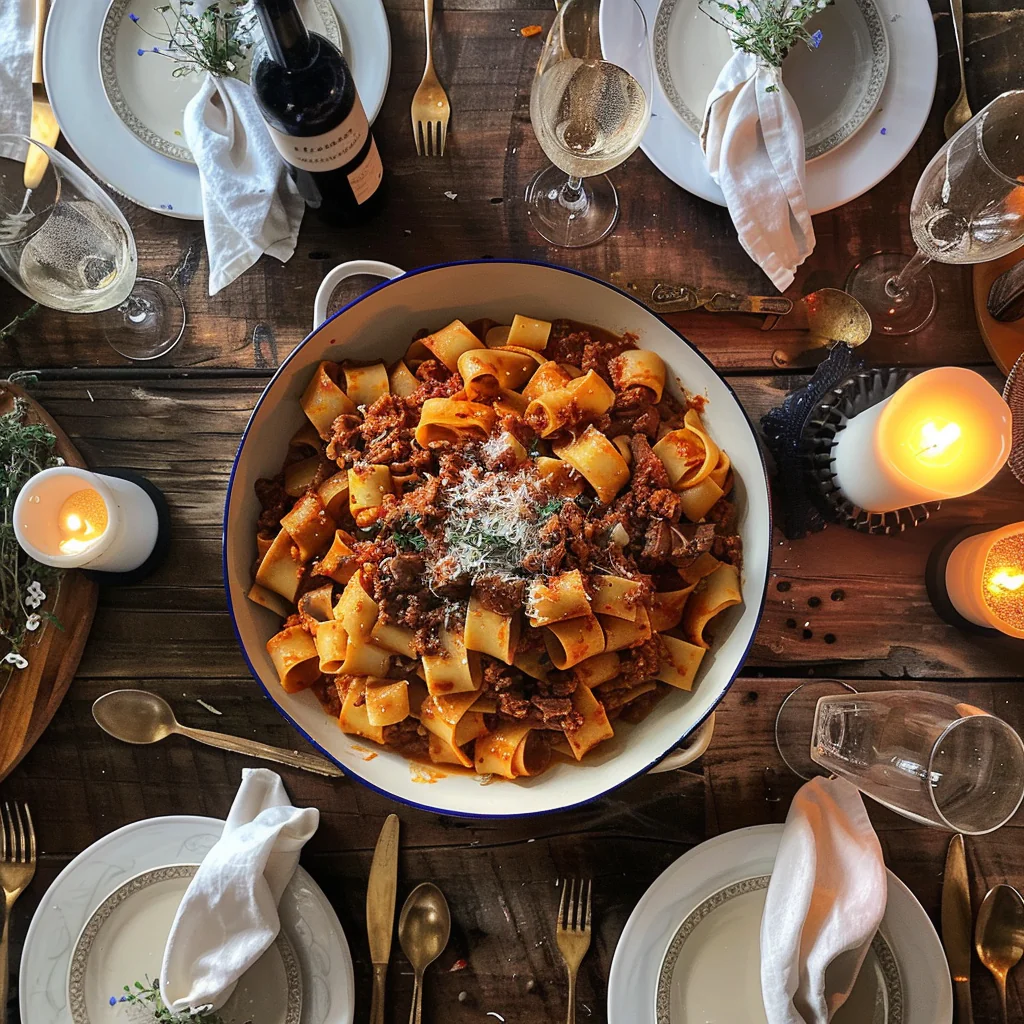
For serving, think rustic. A wide, shallow bowl. A generous pile of ragu-dressed pappardelle in the center. A final grating of Parmigiano-Reggiano over the top. A drizzle of your best olive oil if you’re feeling indulgent. Crusty bread on the side — essential for sauce-mopping duty.
⚠️ Common Mistakes to Avoid for the Best Ragu
Skipping the Sear: I’ve tested this. A ragu made with unseared beef tastes flat, one-dimensional. The Maillard reaction creates depth that hours of simmering cannot replicate. Take the extra 10 minutes.
Underseasoning: Salt at every stage — the beef before searing, the soffritto while sautéing, the pasta water until it tastes like a seasoned soup. Timid seasoning produces timid ragu.
Rushing the Soffritto: Those diced vegetables need time to soften and sweeten. If they’re still crunchy when the long cook begins, they’ll remain distinct in the final sauce rather than dissolving into the background.
Overcooking the Pasta: Mushy pappardelle collapses under the weight of a substantial ragu. Al dente noodles provide structure and texture contrast.
Not Resting the Meat: Shred immediately, and you’ll lose juices to the cutting board. A 10-minute rest keeps those juices in the beef where they belong.
Variations and Customizations
Lamb Shoulder: Swap beef for lamb shoulder, and the ragu takes on a more pronounced, slightly gamey richness. Rosemary becomes non-negotiable.
Pork Shoulder: Sweeter and milder than beef. Works beautifully with fennel seeds added to the soffritto.
Mushroom Ragu: A mix of cremini, shiitake, and portobello mushrooms, finely chopped, creates a vegetarian version with substantial texture. Use the same technique, skipping the searing step.
Spicy Kick: Add a pinch of red pepper flakes with the garlic. Not enough to overwhelm — just a gentle warmth in the background.
Gluten-Free: Brown rice pappardelle or a wide gluten-free pasta works well. The sauce itself is naturally gluten-free.
Storage, Reheating, and Make-Ahead Tips
Refrigeration: Store the ragu separately from the pasta in an airtight container. It keeps for 3 to 4 days in the refrigerator. The flavor actually improves overnight as the ingredients continue to meld.
Freezing: Ragu freezes beautifully for up to 3 months. Portion it into containers before freezing for easy single-serving thawing. Cooked pasta does not freeze well — it turns mushy and unpleasant. Make fresh pasta when serving.
Reheating: Thaw frozen ragu overnight in the refrigerator. Reheat gently in a saucepan over medium-low heat, adding a splash of water or broth if it’s thickened too much during storage. The microwave works in a pinch, but stovetop reheating preserves texture better.
Make-Ahead Strategy: The ragu can be made up to 3 days in advance. In fact, many cooks argue it’s better the second day. Cook the pasta fresh when serving.
💡 Pro Tips for the Best Ragu
Tomato Paste Boost: A tablespoon of tomato paste added with the garlic intensifies the umami without adding acidity. It concentrates the tomato flavor in a way that fresh or canned tomatoes alone cannot achieve.
Bay Leaves Matter: Two bay leaves simmered with the ragu add a subtle earthiness. They’re not meant to be eaten — remove them before serving. But don’t skip them.
Wine Choice: You don’t need an expensive bottle, but you should use something you’d actually drink. If it tastes bad in the glass, it’ll taste bad in the sauce.
The Rest Period: Let the cooked beef rest for 10 minutes before shredding. The muscle fibers relax and reabsorb juices pushed toward the center during cooking. Cut too soon, and up to 40% of those juices end up on your board instead of in your sauce.
Slow and Low: The 8-hour low setting on a slow cooker produces better texture than the 4-hour high setting. The gentler heat breaks down collagen more evenly, resulting in silkier, more cohesive sauce.
Frequently Asked Questions (FAQ)
+Why is my beef ragu tough?
Tough meat means insufficient cooking time. Collagen needs extended exposure to gentle heat to break down into gelatin. If the beef doesn’t shred easily after the recommended time, continue cooking in 30-minute increments until it yields. The slow cooker’s low setting is more forgiving than high.
+Can I use a different cut of beef?
Chuck roast is ideal because of its fat and connective tissue content. Round or flank steak will work but produce a leaner, less rich ragu. Short ribs add incredible flavor but are more expensive. Avoid stew meat labeled “lean” — it lacks the marbling needed for proper braising.
+How do I know when the ragu is done?
The beef should shred with minimal effort using two forks. The sauce should have thickened slightly and coat the back of a spoon. Taste for seasoning — the ragu should feel complete, not like it’s missing something. If it tastes flat, add salt in small increments until it sings.
+Can I skip the red wine?
Yes. Substitute with an equal amount of beef broth plus a splash of balsamic vinegar or red wine vinegar to mimic wine’s acidity. The depth won’t be quite the same, but the ragu will still be delicious.
+How long does beef ragu last in the fridge?
Properly stored in an airtight container, beef ragu keeps for 3 to 4 days in the refrigerator. The flavor often improves on the second day as the ingredients continue to marry.
+What pasta works best with beef ragu?
Pappardelle is traditional — its wide ribbons hold substantial sauce beautifully. Tagliatelle, fettuccine, or rigatoni are acceptable alternatives. Short, tubular shapes work but don’t capture the sauce as elegantly as wide, flat noodles.
Conclusion
A proper Hearty Tuscan Beef Ragu with Pappardelle Pasta isn’t fast food. It’s not even weeknight food, unless you’ve planned ahead. It’s the kind of dish that rewards patience — the long, slow braise that transforms tough beef into something fork-tender, the soffritto that dissolves into sweetness, the wine that reduces into a glaze.
This is food for gathering. For the kind of Sunday dinner where the ragu simmers while the house fills with its scent, where people drift into the kitchen to ask when it’ll be ready, where the table stays cluttered with empty wine glasses and bread baskets long after the plates are cleared.
Make it once, and it becomes part of your rotation. Make it for people you love, and they’ll ask for it again. That’s the thing about the best recipes — they don’t just feed people. They bring them back.
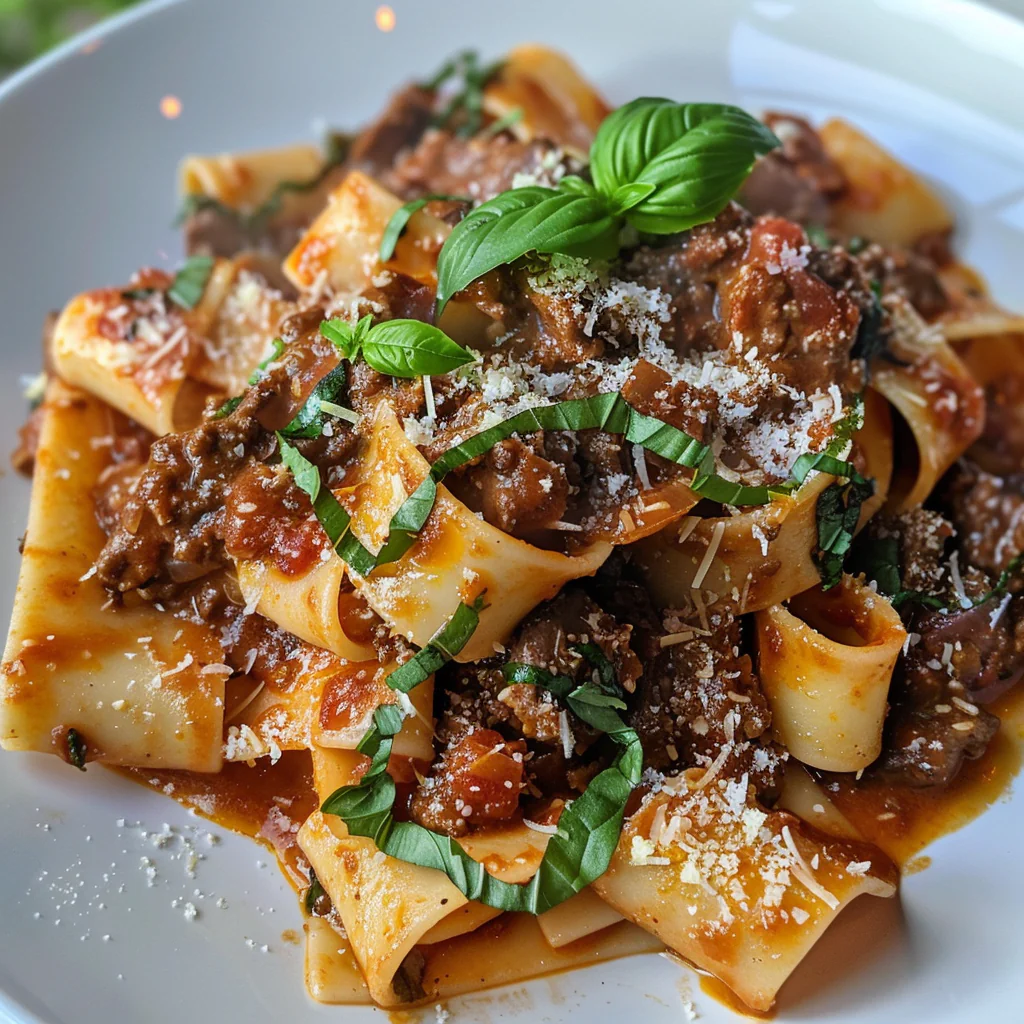
Slow Cooker Beef Ragu with Pappardelle
Ingredients
Method
- In a small skillet, heat the oil over medium high heat. Add the garlic and cook, stirring, until golden and lightly browned, about 2 minutes.
- Season the beef with 1 teaspoon salt and pepper to taste. Transfer to a 5- to 6-quart slow cooker. Pour the tomatoes and broth over the beef and add the garlic from step one, carrots, bay leaves, and thyme.
- Cover and cook on high for 6 hours or on low for 8 to 10 hours. Discard the herbs and shred the beef in the pot using 2 forks.
- Cook the pasta according to package directions. Drain, return to the pot, and add the sauce from the slow cooker. Increase the heat to high and cook, stirring, until the pasta and sauce are combined, about 1 minute.
- Divide among 8 bowls and top each with Parmesan, ricotta, and parsley. Serve hot!
Nutrition
Notes
- For optimal tenderness, ensure the beef is cooked until it easily shreds with a fork; this usually happens around the 6-hour mark on high or 8 to 10 hours on low.
- To prevent dryness in the beef, make sure it is well submerged in the sauce during cooking; if needed, add a splash more broth or a bit of water.
- If you want to save time, you can sauté the garlic in advance and store it in the fridge for up to 3 days before adding it to the slow cooker.
- This ragu freezes beautifully! Portion it in airtight containers and store in the freezer for up to 3 months. Thaw overnight in the fridge before reheating on the stove for best results.
- For a lighter option, substitute flank steak with lean cuts like sirloin or even ground turkey, adjusting the cooking time accordingly.
Tried this recipe?
Let us know how it was!📌 Pin this Recipe for Later!